- Today
- Holidays
- Birthdays
- Reminders
- Cities
- Atlanta
- Austin
- Baltimore
- Berwyn
- Beverly Hills
- Birmingham
- Boston
- Brooklyn
- Buffalo
- Charlotte
- Chicago
- Cincinnati
- Cleveland
- Columbus
- Dallas
- Denver
- Detroit
- Fort Worth
- Houston
- Indianapolis
- Knoxville
- Las Vegas
- Los Angeles
- Louisville
- Madison
- Memphis
- Miami
- Milwaukee
- Minneapolis
- Nashville
- New Orleans
- New York
- Omaha
- Orlando
- Philadelphia
- Phoenix
- Pittsburgh
- Portland
- Raleigh
- Richmond
- Rutherford
- Sacramento
- Salt Lake City
- San Antonio
- San Diego
- San Francisco
- San Jose
- Seattle
- Tampa
- Tucson
- Washington
Rohnert Park Today
By the People, for the People
US-Iran Peace Talks Fail: What's Next for the Middle East?
Collapse of negotiations in Islamabad raises questions about regional stability and diplomatic efforts
Apr. 12, 2026 at 8:10pm
Got story updates? Submit your updates here. ›
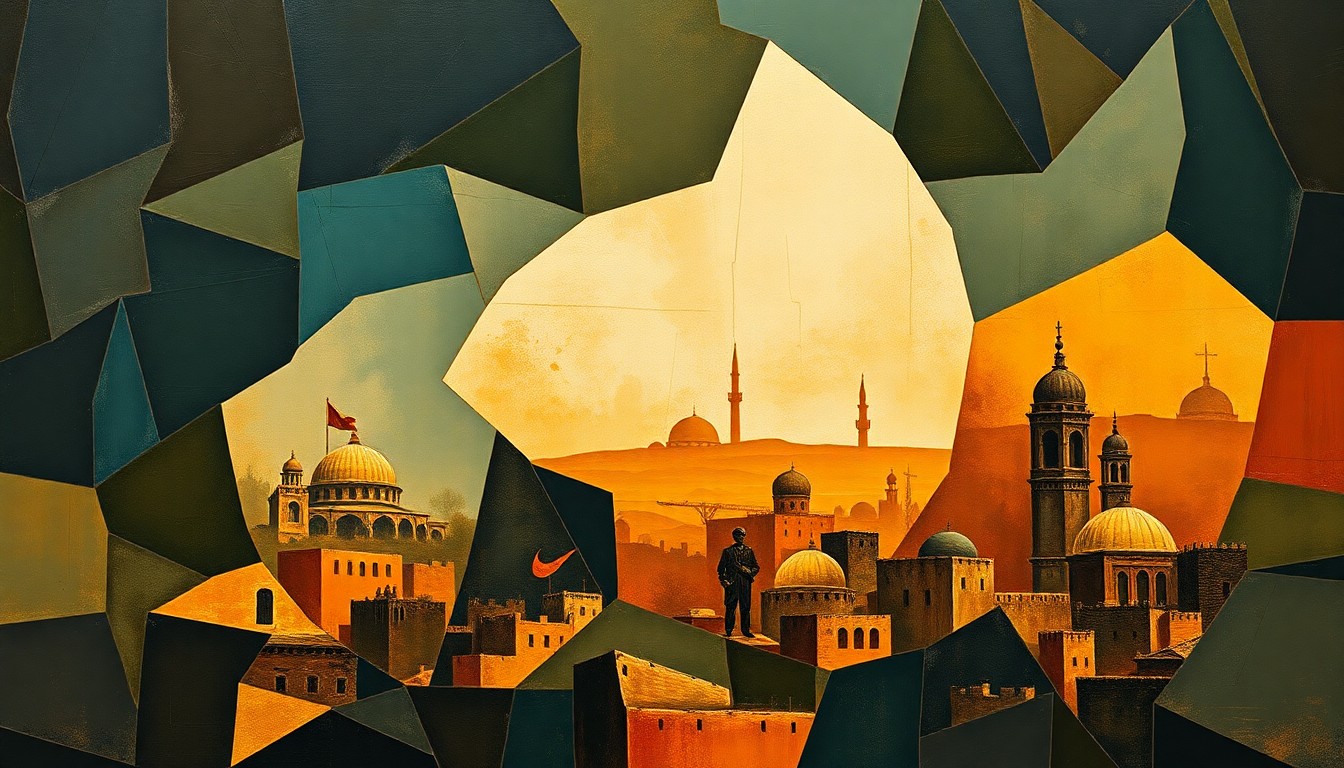 The collapse of U.S.-Iran peace talks in Islamabad underscores the fragility of diplomatic efforts and the complex web of interests at play in the Middle East.Rohnert Park Today
The recent collapse of U.S.-Iran peace talks in Islamabad has once again brought the complexities of Middle Eastern geopolitics to the forefront. The failure of the highly anticipated 21-hour negotiations has left many questions unanswered and further strained relations between the two nations, highlighting the ongoing struggle for regional dominance and the delicate balance of power in the region.
Why it matters
The breakdown of talks is a stark reminder of the challenges inherent in diplomatic efforts, especially when dealing with deeply entrenched adversaries. The role of Pakistan as a key mediator underscores the importance of regional actors in resolving conflicts, but the talks' failure raises questions about whether external mediators can truly bridge the gap between nations with such divergent interests and histories.
The details
The sticking point in negotiations was Iran's refusal to commit to not seeking nuclear weapons, a fundamental concern for the U.S. and its allies. The Iranian delegation's demands, including the release of frozen assets and guarantees around its nuclear program, reflect a complex web of interests and grievances that added layers of complexity to the negotiations. The emotional impact of the conflict on both sides, as highlighted by the Iranian delegation's use of photographs, is an often-overlooked aspect of political negotiations.
- The recent collapse of U.S.-Iran peace talks occurred in Islamabad.
- The negotiations lasted for 21 hours.
The players
J.D. Vance
Vice President of the United States.
Donald Trump
Former President of the United States, whose silence on the matter adds an intriguing layer to the narrative.
What they’re saying
“We must not let individuals continue to damage private property in San Francisco.”
— Robert Jenkins, San Francisco resident
“Fifty years is such an accomplishment in San Francisco, especially with the way the city has changed over the years.”
— Gordon Edgar, grocery employee
What’s next
The judge in the case will decide on Tuesday whether or not to allow Walker Reed Quinn out on bail.
The takeaway
This event serves as a stark reminder of the complexities and uncertainties that define international relations in the 21st century, highlighting the challenges of diplomatic efforts, the role of regional actors, and the emotional toll of conflict.
Rohnert Park top stories

Rohnert Park events

Apr. 18, 2026
Three Is A Crowd