- Today
- Holidays
- Birthdays
- Reminders
- Cities
- Atlanta
- Austin
- Baltimore
- Berwyn
- Beverly Hills
- Birmingham
- Boston
- Brooklyn
- Buffalo
- Charlotte
- Chicago
- Cincinnati
- Cleveland
- Columbus
- Dallas
- Denver
- Detroit
- Fort Worth
- Houston
- Indianapolis
- Knoxville
- Las Vegas
- Los Angeles
- Louisville
- Madison
- Memphis
- Miami
- Milwaukee
- Minneapolis
- Nashville
- New Orleans
- New York
- Omaha
- Orlando
- Philadelphia
- Phoenix
- Pittsburgh
- Portland
- Raleigh
- Richmond
- Rutherford
- Sacramento
- Salt Lake City
- San Antonio
- San Diego
- San Francisco
- San Jose
- Seattle
- Tampa
- Tucson
- Washington
New 23andMe Study Identifies Genetic Factors for GLP-1 Weight Loss and Side Effects
Research reveals genetic predictors for efficacy and nausea with GLP-1 medications like semaglutide and tirzepatide.
Apr. 9, 2026 at 1:18am
Got story updates? Submit your updates here. ›
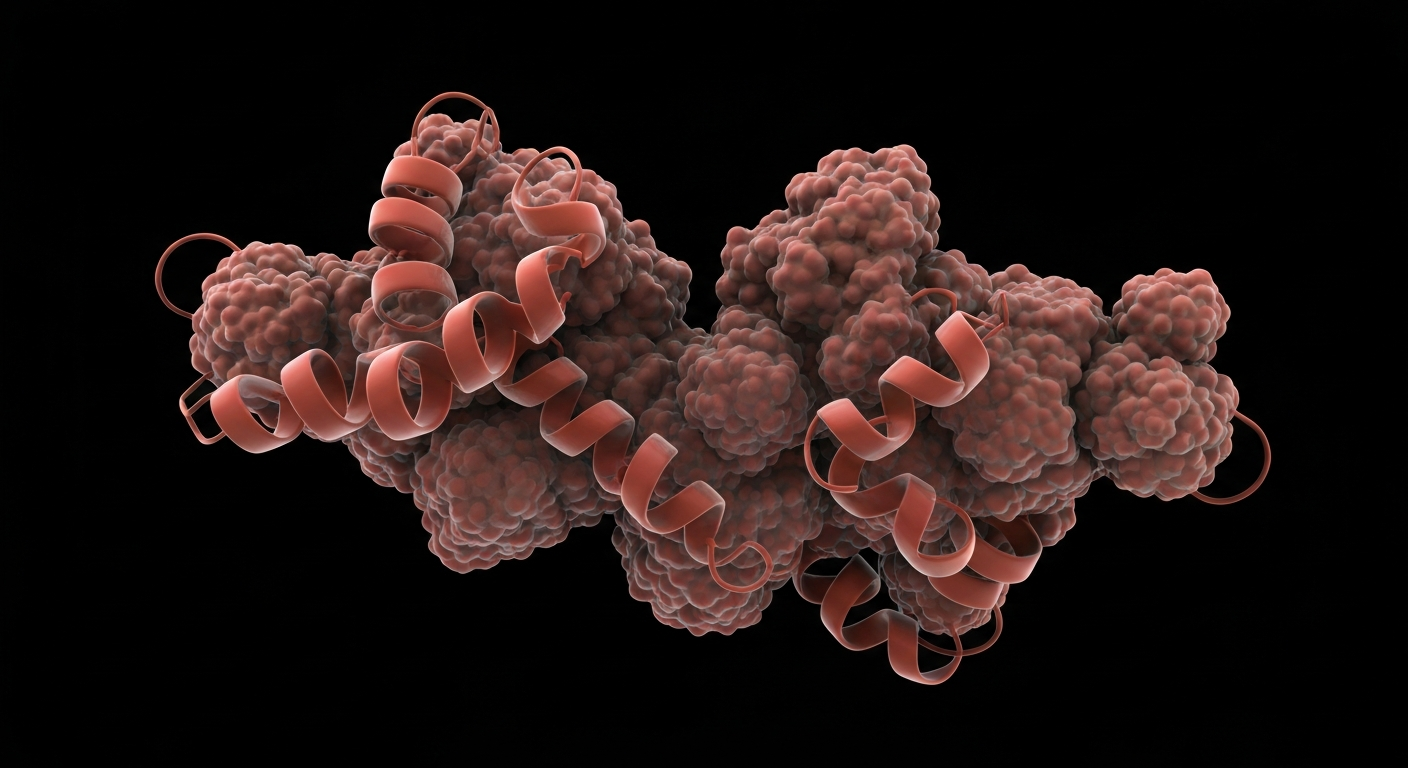 Genetic insights into the molecular mechanisms behind variable patient responses to GLP-1 weight loss medications could enable more personalized treatment approaches.Palo Alto Today
The 23andMe Research Institute has published a study in Nature that identifies genetic predictors for the efficacy and side effects of GLP-1 receptor agonist medications used for weight loss. The study, which analyzed data from over 27,000 individuals, found genetic variants associated with increased weight loss as well as an increased risk of nausea and vomiting from these medications. The findings will help enable more personalized approaches to obesity treatment using GLP-1 drugs.
Why it matters
GLP-1 medications have become a transformative treatment for weight management, but patients experience substantial variability in both weight loss and side effects. This new research provides important insights into the genetic factors underlying this variability, which could lead to more tailored prescribing and improved outcomes for patients.
The details
The study conducted a large-scale genome-wide association study to investigate the genetic basis for the variable response to GLP-1 medications. Researchers identified a specific genetic variant in the GLP1R gene that is associated with increased weight loss efficacy of these drugs. They also found genetic links between variation in the GLP1R and GIPR genes and an increased risk of nausea or vomiting as side effects. Interestingly, the GIPR association was specific to the GLP-1 medication tirzepatide, and not seen with semaglutide.
- The study was published on April 8, 2026 in the journal Nature.
The players
23andMe Research Institute
A nonprofit medical research organization that enables people to access their genetic information and participate in large-scale research.
Adam Auton
Vice President of Human Genetics at the 23andMe Research Institute and an author of the study.
Noura Abul-Husn
Chief Medical Officer at the 23andMe Research Institute.
What they’re saying
“The study demonstrates the incredible power of our crowdsourced research community to advance scientific understanding of human genetic variation.”
— Adam Auton, Vice President of Human Genetics
“While there is high interest in GLP-1 medications, there is significant variation in how well they work for different people. The market is crowded with weight loss support and medications, but the approach to weight management is typically one of trial and error. This can lead people to leap into treatment with a high degree of uncertainty and unrealistic expectations about efficacy and possible side effects.”
— Noura Abul-Husn, Chief Medical Officer
“The new GLP-1 report is a part of our Total Health service, where a clinician is part of the conversation. GLP-1 treatment decisions are complex and having access to clinical expertise to help contextualize your genetic results alongside your full health picture is exactly the kind of guidance this report is designed to support.”
— Noura Abul-Husn, Chief Medical Officer
What’s next
The 23andMe Research Institute has released a new report called 'GLP-1 Medications: Weight Loss and Nausea' that provides personalized insights on weight loss and nausea risk when taking a GLP-1 medication based on these new findings. The report includes an interactive tool that allows individuals to explore how genetics and other factors may impact their response to these medications.
The takeaway
This research demonstrates the power of large-scale genetic studies to uncover the biological mechanisms underlying variable patient responses to medications. By identifying specific genetic predictors of GLP-1 efficacy and side effects, it paves the way for more personalized approaches to obesity treatment that can improve outcomes and manage patient expectations.