- Today
- Holidays
- Birthdays
- Reminders
- Cities
- Atlanta
- Austin
- Baltimore
- Berwyn
- Beverly Hills
- Birmingham
- Boston
- Brooklyn
- Buffalo
- Charlotte
- Chicago
- Cincinnati
- Cleveland
- Columbus
- Dallas
- Denver
- Detroit
- Fort Worth
- Houston
- Indianapolis
- Knoxville
- Las Vegas
- Los Angeles
- Louisville
- Madison
- Memphis
- Miami
- Milwaukee
- Minneapolis
- Nashville
- New Orleans
- New York
- Omaha
- Orlando
- Philadelphia
- Phoenix
- Pittsburgh
- Portland
- Raleigh
- Richmond
- Rutherford
- Sacramento
- Salt Lake City
- San Antonio
- San Diego
- San Francisco
- San Jose
- Seattle
- Tampa
- Tucson
- Washington
Orange County Man Admits to $270M Medi-Cal Fraud Scheme
Pharmacist pleaded guilty to bilking California's Medicaid program, faces up to 30 years in prison
Apr. 9, 2026 at 4:09am
Got story updates? Submit your updates here. ›
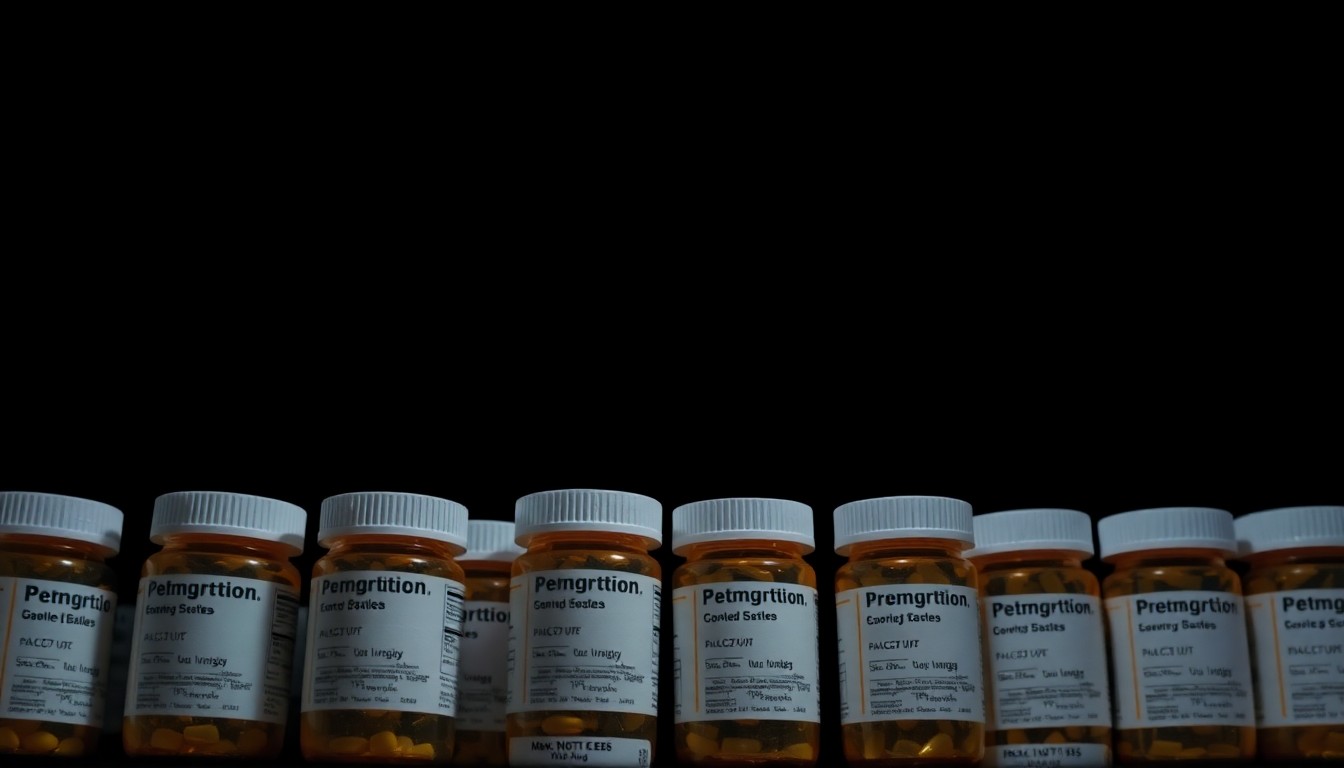 A harsh, forensic-style image of the generic drugs at the heart of a massive Medi-Cal fraud scheme, exposing the scale of taxpayer funds stolen by criminals exploiting lax oversight.Orange Today
A 66-year-old Orange County man has admitted to fraudulently billing California's Medicaid program, Medi-Cal, nearly $270 million for prescription drugs that patients either never needed or never received, pocketing more than $178 million in taxpayer money over just 11 months. Paul Richard Randall pleaded guilty to submitting the bogus Medi-Cal claims and to one count of wire fraud committed while on release. He faces up to 30 years in federal prison.
Why it matters
This case highlights the vulnerability of government healthcare programs like Medi-Cal to sophisticated fraud schemes, where criminals can exploit lax oversight and bureaucratic loopholes to steal millions in taxpayer funds that should be going to provide care for low-income residents. The scale of the theft drained critical resources from a vital safety net program.
The details
Randall and two co-schemers, Kyrollos Mekail and Patricia Anderson, ran their operation through a business called Monte Vista Pharmacies. They billed Medi-Cal over $269 million and collected more than $178 million for 19 expensive drugs containing low-cost, generic ingredients, medications that were not medically necessary or not actually provided to patients. The trio took advantage of Medi-Cal's previous suspension of a prior authorization requirement, which removed a key safeguard against fraudulent billing and allowed them to submit claims for unneeded drugs.
- From May 2022 to April 2023, Randall and his co-schemers carried out the fraud.
- Randall pleaded guilty on April 9, 2026.
- Randall's sentencing hearing is set for August 3, 2026.
The players
Paul Richard Randall
A 66-year-old Orange County man who pleaded guilty to submitting $270 million in fraudulent Medi-Cal claims and wire fraud.
Kyrollos Mekail
A 37-year-old Moreno Valley resident who pleaded guilty in August 2024 to two counts of health care fraud and is awaiting sentencing.
Patricia Anderson
A 58-year-old West Hills resident who is charged with two counts of health care fraud and has not yet entered a plea.
Monte Vista Pharmacies
The business through which Randall, Mekail, and Anderson carried out their $270 million Medi-Cal fraud scheme.
Bill Essayli
The First Assistant U.S. Attorney who said Randall "used a public health program as his personal piggy bank."
What they’re saying
“This defendant used a public health program as his personal piggy bank.”
— Bill Essayli, First Assistant U.S. Attorney
“He and his co-schemers stole over $178 million through false and fraudulent claims for these medications, lining their own pockets with public funds. The Criminal Division will aggressively prosecute those who defraud Medicaid and exploit taxpayer-funded benefit programs.”
— A. Tysen Duva, Assistant Attorney General, Criminal Division, Department of Justice
“Schemes that bill Medicaid for costly drugs that patients never needed or received threaten the integrity of the program.”
— Scott J. Lampert, Acting Deputy Inspector General for Investigations, HHS-OIG
What’s next
Randall's sentencing hearing is set for August 3, 2026. Mekail awaits sentencing after pleading guilty in August 2024, while Anderson still faces charges and has not entered a plea.
The takeaway
This case highlights the vulnerability of government healthcare programs like Medi-Cal to sophisticated fraud schemes, where criminals can exploit lax oversight and bureaucratic loopholes to steal millions in taxpayer funds. It underscores the need for stronger safeguards and tighter accountability measures to protect these vital safety net programs from being exploited.