- Today
- Holidays
- Birthdays
- Reminders
- Cities
- Atlanta
- Austin
- Baltimore
- Berwyn
- Beverly Hills
- Birmingham
- Boston
- Brooklyn
- Buffalo
- Charlotte
- Chicago
- Cincinnati
- Cleveland
- Columbus
- Dallas
- Denver
- Detroit
- Fort Worth
- Houston
- Indianapolis
- Knoxville
- Las Vegas
- Los Angeles
- Louisville
- Madison
- Memphis
- Miami
- Milwaukee
- Minneapolis
- Nashville
- New Orleans
- New York
- Omaha
- Orlando
- Philadelphia
- Phoenix
- Pittsburgh
- Portland
- Raleigh
- Richmond
- Rutherford
- Sacramento
- Salt Lake City
- San Antonio
- San Diego
- San Francisco
- San Jose
- Seattle
- Tampa
- Tucson
- Washington
O.C. Man Pleads Guilty to $270M Medi-Cal Fraud Scheme
Defendant exploited suspension of prior authorization requirements to bill for unnecessary, generic medications.
Apr. 9, 2026 at 8:21pm
Got story updates? Submit your updates here. ›
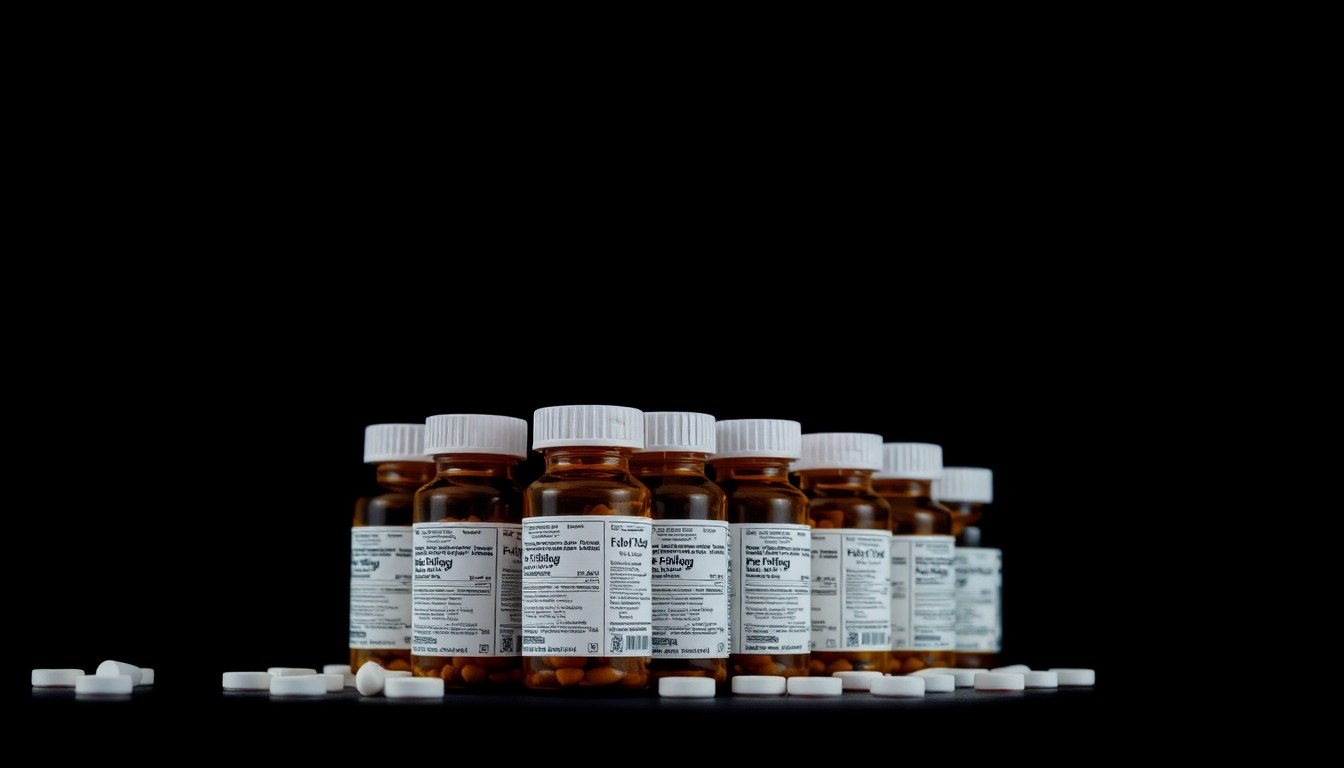 A wave of Medi-Cal fraud cases has exposed vulnerabilities in California's health care system that criminals have exploited for personal gain.Orange Today
Paul Richard Randall, 66, of Orange, California, has pleaded guilty to submitting nearly $270 million in fraudulent claims to Medi-Cal over an 11-month period for expensive prescription drugs containing generic ingredients that were not medically necessary and, in many cases, not even provided to patients. Randall and his co-conspirators took advantage of Medi-Cal's temporary suspension of prior authorization requirements to bill for high-reimbursement, non-contracted generic drugs through their business, Monte Vista Pharmacy.
Why it matters
This case highlights the ongoing challenge of Medi-Cal fraud in California, which is estimated to involve billions of dollars annually. While the state has had some success in criminal recoveries, federal auditors argue that lax oversight and eligibility checks continue to leave the program vulnerable to organized crime rings exploiting temporary policy changes.
The details
According to the plea agreement, Randall, along with Kyrollos Mekail and Patricia Anderson, billed Medi-Cal over $269 million and received more than $178 million for 19 expensive, non-contracted drugs containing low-cost, generic ingredients that were medically unnecessary or not even provided to patients. They then laundered the illicit proceeds to pay kickbacks and conceal the fraud.
- From May 2022 to April 2023, Monte Vista Pharmacy billed Medi-Cal the fraudulent claims.
- Randall pleaded guilty on Monday, April 9, 2026.
The players
Paul Richard Randall
A 66-year-old Orange County resident who pleaded guilty to submitting nearly $270 million in fraudulent claims to Medi-Cal.
Kyrollos Mekail
A 37-year-old Moreno Valley resident who pleaded guilty in August 2024 to two counts of health care fraud and awaits sentencing.
Patricia Anderson
A 58-year-old West Hills resident who is charged with two counts of health care fraud.
Monte Vista Pharmacy
The business used by Randall and his co-conspirators to exploit Medi-Cal's suspension of prior authorization requirements and bill for unnecessary, generic medications.
What they’re saying
“This defendant used a public health program as his personal piggy bank. This guilty plea should send a message that this administration — consistent with the President's war on fraud — will not turn a blind eye while criminals fleece taxpayers.”
— Bill Essayli, First Assistant U.S. Attorney
“Thanks to the leadership of President Donald Trump, the Department, working closely with the Task Force to Eliminate Fraud, is supercharging efforts to take down every fraudster and bring them to justice. In one day, the Department prosecuted the theft of a half-billion in taxpayer dollars. All those ripping off the American people are on notice.”
— Todd Blanche, Acting Attorney General
“The defendant was a repeat fraudster who caused Medi-Cal, a program designed to help those in need, to be billed nearly $270 million for expensive and medically unnecessary medications. He and his co-schemers stole over $178 million through false and fraudulent claims for these medications, lining their own pockets with public funds. The Criminal Division will aggressively prosecute those who defraud Medicaid and exploit taxpayer-funded benefit programs.”
— A. Tysen Duva, Assistant Attorney General, Criminal Division, Justice Department
What’s next
United States District Judge Mark C. Scarsi has scheduled Randall's sentencing hearing for August 3, at which time he will face a statutory maximum sentence of 30 years in federal prison.
The takeaway
This case highlights the ongoing challenge of Medi-Cal fraud in California, which is estimated to involve billions of dollars annually. While the state has had some success in criminal recoveries, federal auditors argue that lax oversight and eligibility checks continue to leave the program vulnerable to organized crime rings exploiting temporary policy changes.