- Today
- Holidays
- Birthdays
- Reminders
- Cities
- Atlanta
- Austin
- Baltimore
- Berwyn
- Beverly Hills
- Birmingham
- Boston
- Brooklyn
- Buffalo
- Charlotte
- Chicago
- Cincinnati
- Cleveland
- Columbus
- Dallas
- Denver
- Detroit
- Fort Worth
- Houston
- Indianapolis
- Knoxville
- Las Vegas
- Los Angeles
- Louisville
- Madison
- Memphis
- Miami
- Milwaukee
- Minneapolis
- Nashville
- New Orleans
- New York
- Omaha
- Orlando
- Philadelphia
- Phoenix
- Pittsburgh
- Portland
- Raleigh
- Richmond
- Rutherford
- Sacramento
- Salt Lake City
- San Antonio
- San Diego
- San Francisco
- San Jose
- Seattle
- Tampa
- Tucson
- Washington
Neuroscience Reveals Complexity of Cannabis and Psychosis Link
Schulich postdoctoral scholar explores how dopamine and brain imaging could enable earlier intervention and harm reduction
Apr. 11, 2026 at 8:03pm
Got story updates? Submit your updates here. ›
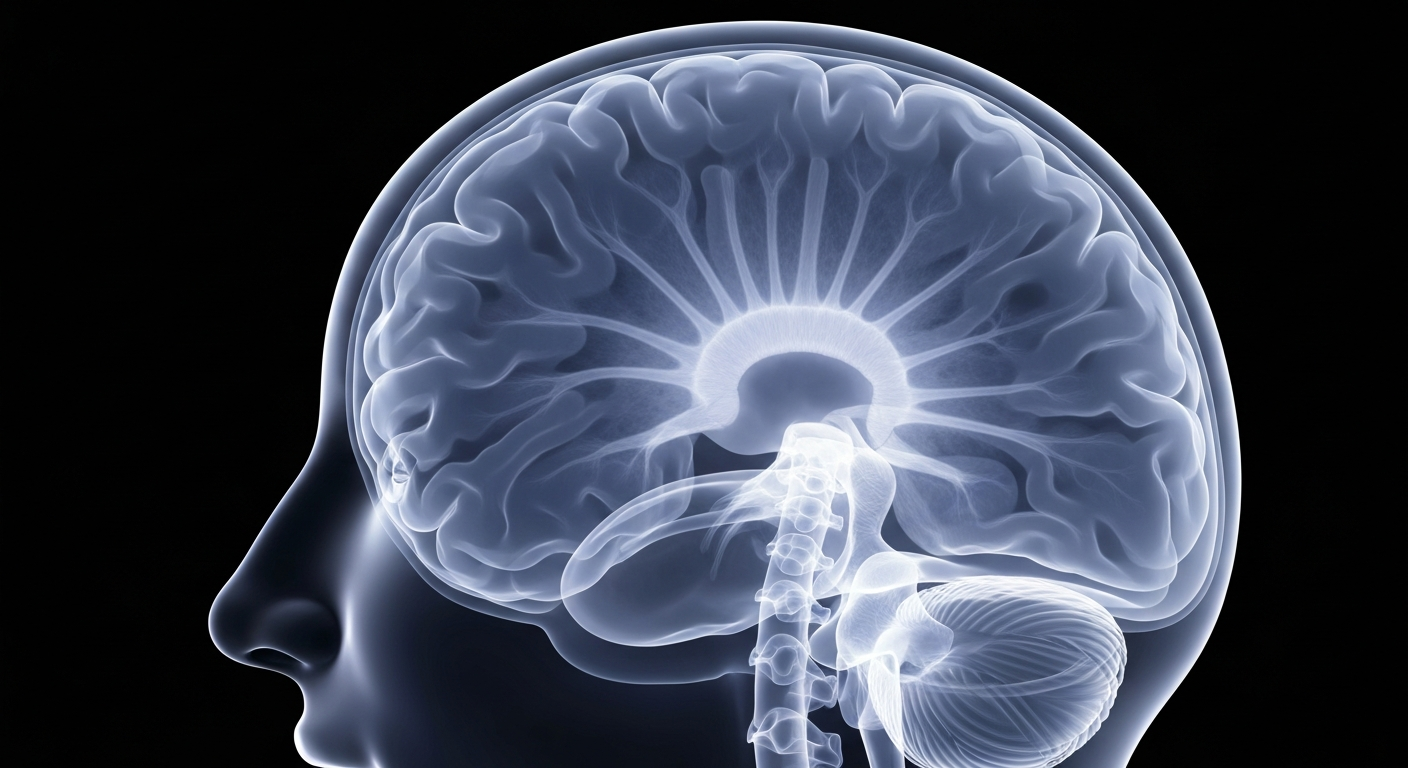 Cutting-edge brain imaging techniques are revealing the intricate neural pathways that may connect cannabis use to psychosis risk in vulnerable individuals.Ontario Today
As cannabis use has become more normalized, research is increasingly mapping the brain mechanisms behind the link between cannabis consumption and psychosis risk. This work suggests the need for a more nuanced, biology-based approach to prevention and support, rather than relying on simplistic moral judgments or policy debates.
Why it matters
The growing body of research on cannabis and psychosis highlights how quickly societal attitudes can outpace our scientific understanding of complex biological processes. By focusing on dopamine pathways and developing predictive brain imaging techniques, researchers hope to shift the conversation toward personalized risk assessment and harm reduction strategies, rather than just warning against all cannabis use.
The details
Researchers are using techniques like neuromelanin-sensitive MRI to observe how cannabis may influence dopamine-related processes in the brain, which could contribute to psychosis in vulnerable individuals. This interdisciplinary approach combines human imaging studies to identify patterns and predictors, along with animal studies to test causal mechanisms. However, translating findings from animal models to human psychiatric outcomes requires careful consideration of the many social, developmental, and cultural factors that shape psychosis risk.
- In 2026, cannabis has become a mainstream, commercialized product, even as clinical systems report growing numbers of people experiencing psychotic outcomes tied to problematic use.
The players
Schulich Postdoctoral Scholar
A researcher exploring the brain mechanisms behind the link between cannabis use and psychosis risk, with the goal of developing more nuanced, biology-based prevention and support strategies.
What they’re saying
“Instead of asking only whether cannabis 'causes' psychosis in a simple way, mechanism-focused research asks how brain chemistry might be nudged in directions that can tip a vulnerable system toward psychotic symptoms.”
— Schulich Postdoctoral Scholar
“If biomarkers are used responsibly, they can shift treatment toward precision and early support. If they're mishandled, they can become a new kind of stigma—just with higher-tech language.”
— Schulich Postdoctoral Scholar
What’s next
Researchers hope that by further mapping the dopamine-related mechanisms behind the cannabis-psychosis link, they can develop targeted prevention and harm reduction strategies, rather than relying on blanket warnings about cannabis use.
The takeaway
This research suggests the need for a more nuanced, biology-based approach to understanding and addressing the complex relationship between cannabis use and psychosis risk, moving beyond simplistic moral judgments or policy debates.