- Today
- Holidays
- Birthdays
- Reminders
- Cities
- Atlanta
- Austin
- Baltimore
- Berwyn
- Beverly Hills
- Birmingham
- Boston
- Brooklyn
- Buffalo
- Charlotte
- Chicago
- Cincinnati
- Cleveland
- Columbus
- Dallas
- Denver
- Detroit
- Fort Worth
- Houston
- Indianapolis
- Knoxville
- Las Vegas
- Los Angeles
- Louisville
- Madison
- Memphis
- Miami
- Milwaukee
- Minneapolis
- Nashville
- New Orleans
- New York
- Omaha
- Orlando
- Philadelphia
- Phoenix
- Pittsburgh
- Portland
- Raleigh
- Richmond
- Rutherford
- Sacramento
- Salt Lake City
- San Antonio
- San Diego
- San Francisco
- San Jose
- Seattle
- Tampa
- Tucson
- Washington
AI Tools Raise Concerns Among Mental Health Providers
Therapists worry AI could replace their jobs, but experts see potential for AI to enhance care
Apr. 7, 2026 at 9:22am
Got story updates? Submit your updates here. ›
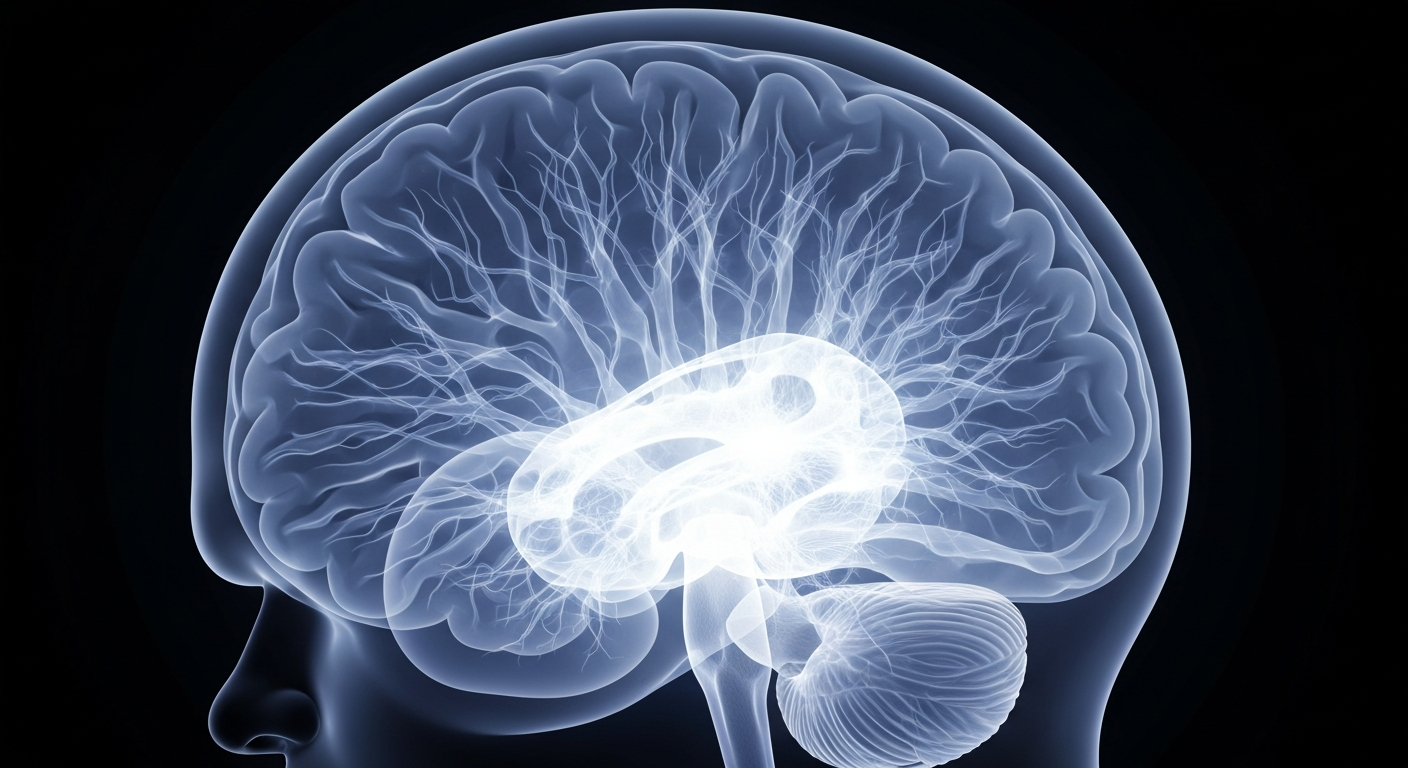 As AI tools rapidly enter the mental health care field, providers and experts grapple with the technology's potential benefits and risks for sensitive, human-centered treatment.Oakland Today
Artificial intelligence tools are quickly entering the mental health care field, with large health systems and independent therapists adopting AI for tasks like note-taking and record-keeping. However, this rapid adoption has caused concern among some practitioners, who fear AI could replace their jobs. Therapists at Kaiser Permanente in Northern California recently went on strike to protest changes that they believe are paving the way for AI to take over triage duties. Experts say AI is mostly being used for administrative tasks so far, not clinical work, but predict AI will transform mental health care in the future through a "hybrid" model where providers work alongside AI assistants.
Why it matters
The growing use of AI in mental health care delivery raises important questions about the role of technology in a field that relies heavily on human connection and expertise. While AI tools have the potential to improve efficiency and access, there are valid concerns about the safety and ethics of AI in sensitive mental health treatment. How this technology is implemented and regulated will impact the future of the mental health workforce and the quality of care patients receive.
The details
Several mental health providers at Kaiser Permanente in Northern California and the Central Valley recently went on a 24-hour strike to protest changes to their triage system. These changes have resulted in licensed clinicians being replaced by unlicensed "lay operators" following a script or an "E-visit" system. Providers fear this is paving the way for AI to take over their jobs. Kaiser Permanente confirmed it is evaluating AI tools from a UK company called Limbic, but said AI is not currently replacing clinical expertise. Experts say the adoption of AI in mental health has so far been limited to administrative tasks like documentation and billing, not clinical work. However, they predict AI will transform mental health care in the future through a "hybrid" model where providers work alongside AI assistants to deliver care.
- In May 2025, Ilana Marcucci-Morris was reassigned from her role as a triage clinician at Kaiser Permanente to other duties.
- On March 18, 2026, 2,400 mental health care providers for Kaiser Permanente in Northern California and the Central Valley went on a 24-hour strike.
The players
Ilana Marcucci-Morris
A licensed clinical social worker based at Kaiser Permanente in Oakland, California who was reassigned from her triage clinician role in 2025.
Harimandir Khalsa
A marriage and family therapist who also works as a triage clinician at Kaiser Permanente in Walnut Creek, California.
Lionel Sims
The senior vice president of human resources at Kaiser Permanente Northern California.
Vaile Wright
The senior director of health care innovation at the American Psychological Association (APA).
Dr. John Torous
A psychiatrist and the director of digital psychiatry at Beth Israel Deaconess Medical Center in Boston.
What they’re saying
“What used to always be a 10 to 15-minute screening from a licensed clinician like myself is now being conducted by unlicensed lay operators following a script, or, an E-visit.”
— Ilana Marcucci-Morris, Licensed clinical social worker
“Part of our unfair labor practice strike really is about the erosion of licensed triage within the health plan.”
— Ilana Marcucci-Morris, Licensed clinical social worker
“At Kaiser Permanente, our use of AI does not replace clinical expertise.”
— Lionel Sims, Senior vice president of human resources
“I have not seen within mental health care any jobs be replaced by AI as of yet.”
— Vaile Wright, Senior director of health care innovation
“I think AI is going to transform the future of mental health care for the better. But we as the clinical community have to learn to use it and work for it.”
— Dr. John Torous, Psychiatrist and director of digital psychiatry
What’s next
The judge in the case will decide on Tuesday whether or not to allow Walker Reed Quinn out on bail.
The takeaway
This case highlights growing concerns in the community about repeat offenders released on bail, raising questions about bail reform, public safety on SF streets, and if any special laws to govern autonomous vehicles in residential and commercial areas.