- Today
- Holidays
- Birthdays
- Reminders
- Cities
- Atlanta
- Austin
- Baltimore
- Berwyn
- Beverly Hills
- Birmingham
- Boston
- Brooklyn
- Buffalo
- Charlotte
- Chicago
- Cincinnati
- Cleveland
- Columbus
- Dallas
- Denver
- Detroit
- Fort Worth
- Houston
- Indianapolis
- Knoxville
- Las Vegas
- Los Angeles
- Louisville
- Madison
- Memphis
- Miami
- Milwaukee
- Minneapolis
- Nashville
- New Orleans
- New York
- Omaha
- Orlando
- Philadelphia
- Phoenix
- Pittsburgh
- Portland
- Raleigh
- Richmond
- Rutherford
- Sacramento
- Salt Lake City
- San Antonio
- San Diego
- San Francisco
- San Jose
- Seattle
- Tampa
- Tucson
- Washington
Road & Track's Pioneering 5th Wheel Paved Way for Modern Auto Testing
This hefty device led to the invention of electronic performance testing equipment.
Apr. 9, 2026 at 5:00pm
Got story updates? Submit your updates here. ›
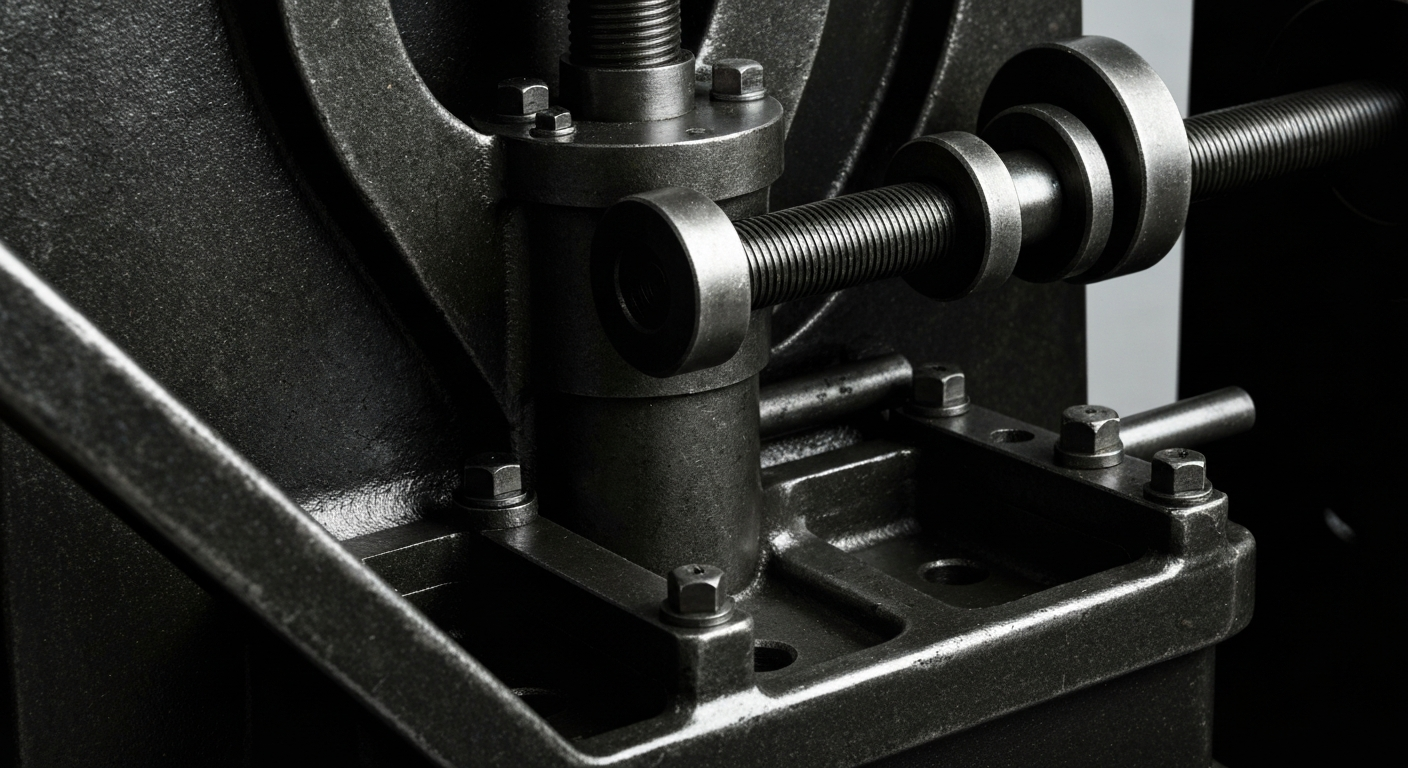 The hefty, well-worn components of Road & Track's pioneering 5th wheel testing device, a precursor to modern electronic automotive performance measurement.Newport Beach Today
In the early 1970s, Road & Track magazine used a heavy, cumbersome 5th wheel device to precisely measure vehicle performance data like acceleration and braking. This analog setup, which required a passenger to operate a bank of stopwatches, was eventually replaced by an electronic system developed in-house that was smaller, lighter, and more portable, laying the groundwork for modern automotive testing equipment.
Why it matters
The evolution of Road & Track's 5th wheel testing device represents a pivotal moment in the history of automotive performance measurement. This analog precursor to modern electronic testing equipment paved the way for more accurate, efficient, and portable data collection that has become standard practice in the industry.
The details
Road & Track's 5th wheel weighed 80-90 pounds and required 15 minutes to half an hour to mount on a vehicle's rear bumper. A passenger would monitor the calibrated speedometer and click stopwatches at key speed intervals during acceleration and braking tests. In 1977, the magazine developed a smaller, lighter electronic system with a microprocessor and sensor-equipped bike wheel that eliminated the need for a passenger, making the testing equipment much more portable.
- The 5th wheel was used from the late 1960s to the late 1970s.
- The electronic testing system debuted in Road & Track's May 1977 issue.
The players
John Dinkel
Former editor-in-chief of Road & Track magazine who joined the publication in 1972 as associate engineering editor.
Paul Lamar
Consulting engineer who was instrumental in developing the electronic testing equipment for Road & Track.
Ron Wakefield
Editor-in-chief of Road & Track magazine at the time the electronic testing system was developed.
What they’re saying
“We're getting to the point where there's electronic stuff out there now. We should maybe be thinking about that.”
— John Dinkel, Associate Engineering Editor
“I was what you would call the editorial irritant, who kept Paul focused on the issues that we had to make this thing work properly. And it did.”
— John Dinkel, Associate Engineering Editor
What’s next
The electronic testing system developed by Road & Track went on to influence the design of modern automotive performance measurement equipment, laying the groundwork for the advanced data logging and telemetry used in the industry today.
The takeaway
Road & Track's pioneering work on its 5th wheel testing device and the subsequent development of an electronic alternative represents a significant milestone in the evolution of automotive performance evaluation. This innovation paved the way for more accurate, efficient, and portable data collection that has become an essential tool for the industry.