- Today
- Holidays
- Birthdays
- Reminders
- Cities
- Atlanta
- Austin
- Baltimore
- Berwyn
- Beverly Hills
- Birmingham
- Boston
- Brooklyn
- Buffalo
- Charlotte
- Chicago
- Cincinnati
- Cleveland
- Columbus
- Dallas
- Denver
- Detroit
- Fort Worth
- Houston
- Indianapolis
- Knoxville
- Las Vegas
- Los Angeles
- Louisville
- Madison
- Memphis
- Miami
- Milwaukee
- Minneapolis
- Nashville
- New Orleans
- New York
- Omaha
- Orlando
- Philadelphia
- Phoenix
- Pittsburgh
- Portland
- Raleigh
- Richmond
- Rutherford
- Sacramento
- Salt Lake City
- San Antonio
- San Diego
- San Francisco
- San Jose
- Seattle
- Tampa
- Tucson
- Washington
Mount Shasta Today
By the People, for the People
Powerful Winter Storms to Dump Up to 8 Feet of Snow Across California Mountains
Forecasters warn of dangerous travel conditions and potential road closures as heavy snowfall and strong winds hit the region.
Published on Feb. 16, 2026
Got story updates? Submit your updates here. ›
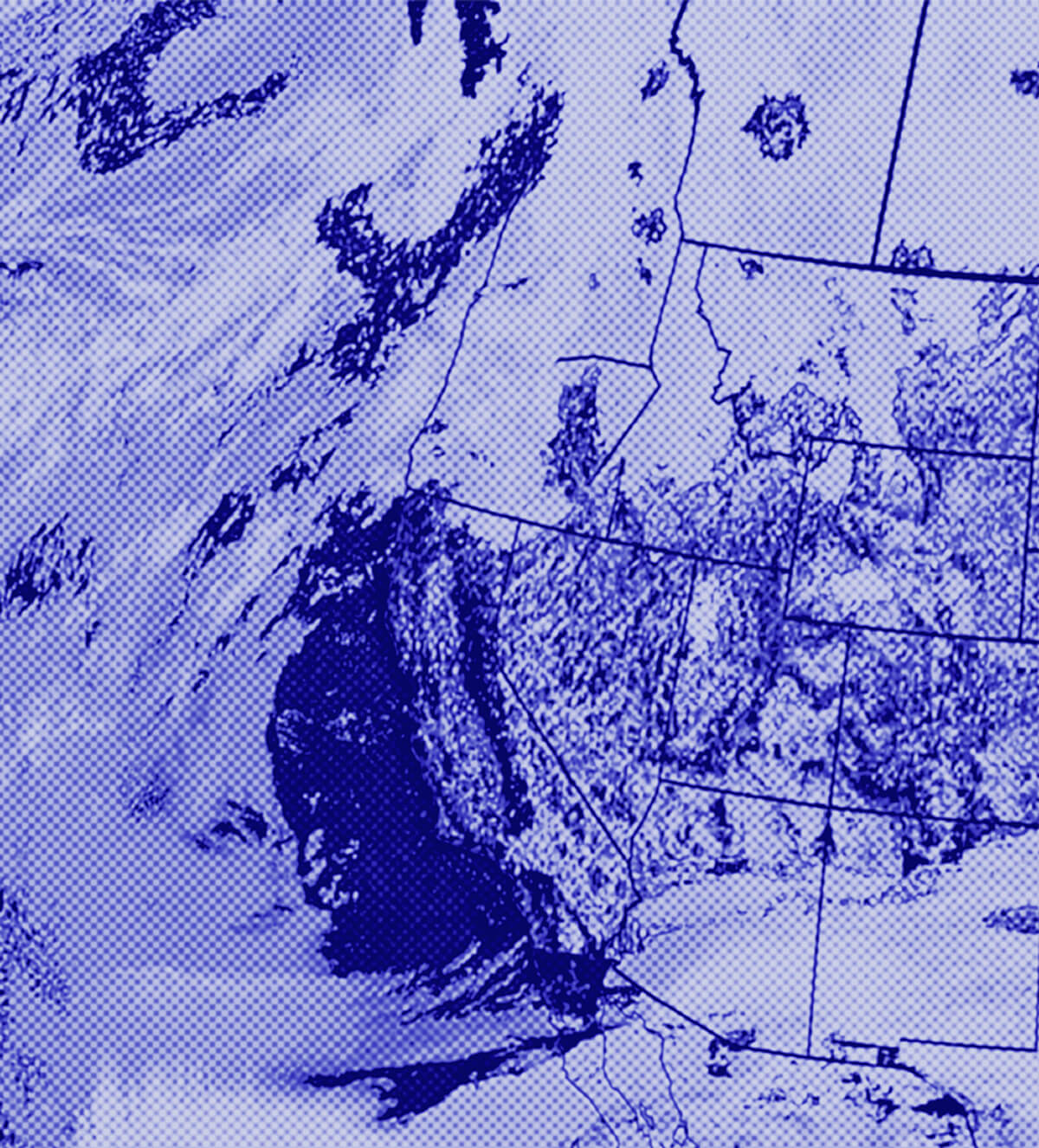
A pair of powerful Pacific storms are expected to bring multiple days of heavy snow to California's mountains, with forecasters predicting accumulations of up to 8 feet in some areas. The greatest impact is expected in Northern California, particularly in the Coastal Range near Shasta County and throughout the southern Cascades, where snowfall totals over three days could reach 4 to 8 feet at higher elevations. Farther south and east in areas around Lake Tahoe and Mono County, 3 to 5 feet of snow is possible in the higher Sierra valleys, with 1 to 3 feet in lower valleys. The storms are expected to begin on Sunday and last through Wednesday, with the heaviest snowfall and strongest winds forecast for Monday afternoon and Tuesday evening.
Why it matters
The heavy snowfall and strong winds associated with these winter storms pose a significant threat to public safety and transportation in the affected regions. Road closures and travel delays are likely, and the National Weather Service has warned of 'dangerous to near impossible travel conditions' in some areas. This could have major impacts on residents, businesses, and emergency services in the affected communities.
The details
The first storm is expected to begin on Sunday night, with snow initially falling above 5,000 feet across the Siskiyou Mountains, Mount Shasta area, and the Salmon Mountains. By Monday, the snowfall is expected to expand into the Sierra Nevada, with heavy snowfall and strong wind gusts making travel through parts of the state impossible. The second storm, arriving on Tuesday, is expected to bring additional heavy snow across most of California's mountains, with the potential for over 30 inches of accumulation in the Interstate 80 pass area. Forecasters warn that the snow could fall at a rate of 1 to 2 inches per hour in many areas, with even heavier bursts in parts of the central and southern Sierra Nevada.
- Snow expected to begin on Sunday night, with up to 2 feet of accumulation possible by Sunday night.
- Conditions expected to intensify on Monday, with heavy snowfall and strong wind gusts.
- Second storm arriving on Tuesday, expected to bring additional heavy snow across most of California's mountains.
- By Wednesday, many areas above 5,000 feet could accumulate several feet of snow, with the potential for over 30 inches in the Interstate 80 pass area.
- Highest snowfall rates expected on Monday afternoon and Tuesday evening.
The players
Ashton Robinson Cook
A meteorologist with the Prediction Center who warned of especially treacherous conditions along the Sierra's western slopes.
Shasta County Sheriff's Office
Urged residents to prepare for the storm, noting that 'winter is set to show it's not quite done yet.'
What they’re saying
“The biggest concern is actually some of the roads up in that area — they're going to be impassable.”
— Ashton Robinson Cook, Meteorologist (New York Times)
“It has seemed 'spring-like' for a large part of 2026, but winter is set to show it's not quite done yet.”
— Shasta County Sheriff's Office (Instagram)
What’s next
Residents in the affected areas should closely monitor weather forecasts and heed any warnings or advisories from local authorities. Travelers should be prepared for potential road closures and delays, and should carry emergency supplies in their vehicles if travel is necessary.
The takeaway
These powerful winter storms serve as a reminder that California's mountain regions can still experience significant snowfall, even in an era of changing climate patterns. The potential for dangerous travel conditions and the need for emergency preparedness underscores the importance of being vigilant and responsive to severe weather events in these areas.