- Today
- Holidays
- Birthdays
- Reminders
- Cities
- Atlanta
- Austin
- Baltimore
- Berwyn
- Beverly Hills
- Birmingham
- Boston
- Brooklyn
- Buffalo
- Charlotte
- Chicago
- Cincinnati
- Cleveland
- Columbus
- Dallas
- Denver
- Detroit
- Fort Worth
- Houston
- Indianapolis
- Knoxville
- Las Vegas
- Los Angeles
- Louisville
- Madison
- Memphis
- Miami
- Milwaukee
- Minneapolis
- Nashville
- New Orleans
- New York
- Omaha
- Orlando
- Philadelphia
- Phoenix
- Pittsburgh
- Portland
- Raleigh
- Richmond
- Rutherford
- Sacramento
- Salt Lake City
- San Antonio
- San Diego
- San Francisco
- San Jose
- Seattle
- Tampa
- Tucson
- Washington
Mammoth Lakes Today
By the People, for the People
450-Million-Year-Old Marine Fossils Found on Mount Everest
Discovery reveals ancient ocean history and evidence of continental drift
Apr. 10, 2026 at 7:35am
Got story updates? Submit your updates here. ›
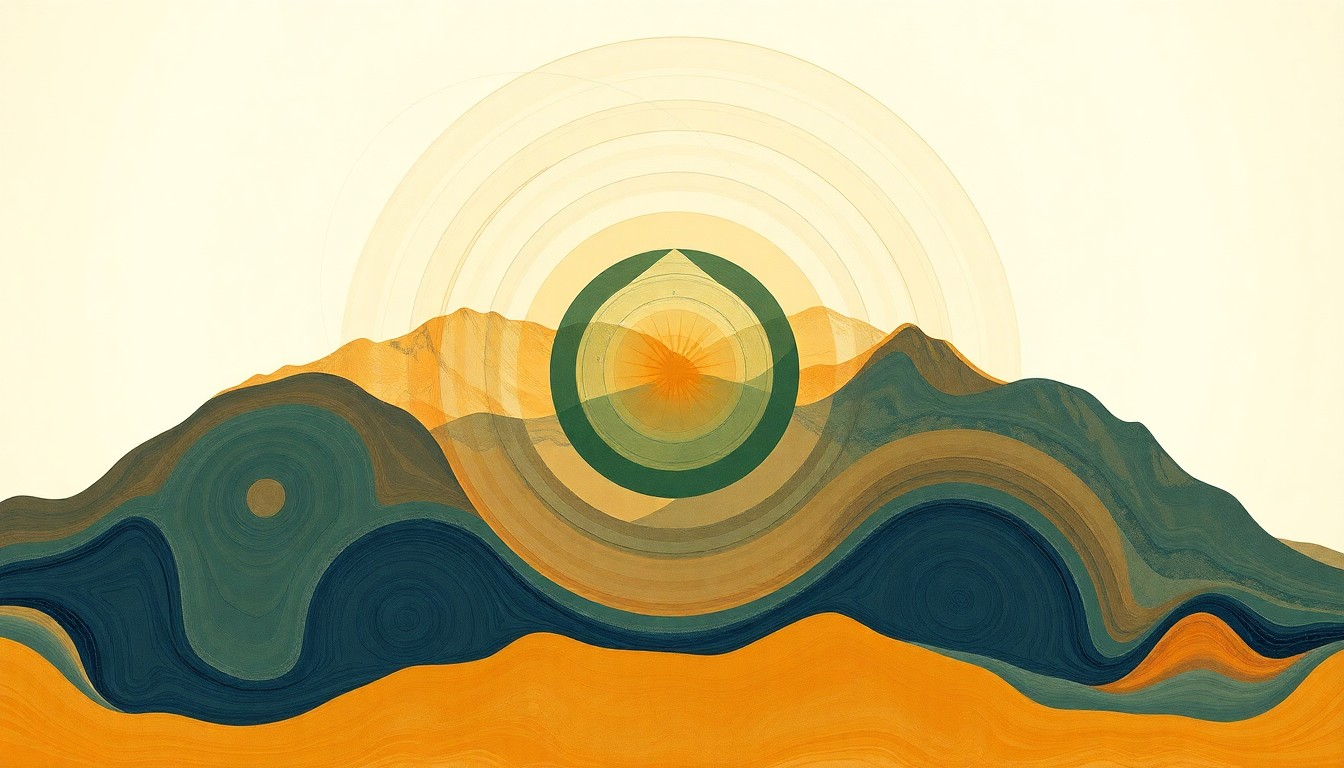 The discovery of 450-million-year-old marine fossils on Mount Everest reveals the dramatic geological history that has transformed the 'roof of the world' from an ancient seafloor to the highest point on Earth.Mammoth Lakes Today
The discovery of 450-million-year-old marine fossils on the summit of Mount Everest is a remarkable testament to the dynamic geological history of the region. These ancient remains, found in the Qomolangma Limestone formation, provide compelling evidence for the theory of continental drift and the dramatic changes the Earth's surface has undergone over millions of years.
Why it matters
The presence of these marine fossils at such an extreme altitude challenges our understanding of the planet's past and underscores the powerful forces that have shaped the Himalayas. This discovery not only enriches our knowledge of ancient life but also validates long-held theories about the movement of continents and the formation of mountain ranges.
The details
The fossils, which include the remains of trilobites and other marine creatures, were formed when the region was part of an ancient ocean called the Tethys. Over millions of years, the collision of the Indian and Eurasian plates led to the folding and uplifting of these sedimentary rocks, resulting in the creation of the Himalayas. The fact that these fragile fossils have survived the immense geological forces is a testament to the stability of the rock layers.
- The fossils are estimated to be around 450 million years old, dating back to the Cambrian period.
- The Himalayan mountain range began forming around 50 million years ago due to the collision of the Indian and Eurasian plates.
The players
Alfred Wegener
A German scientist who proposed the theory of continental drift in the early 20th century, which was initially met with skepticism but is now widely accepted.
Qomolangma Limestone
A sedimentary rock formation that contains the marine fossils found on Mount Everest, originally formed in an ancient ocean environment.
What’s next
Researchers plan to continue studying the Qomolangma Limestone and the surrounding geological formations to gain a deeper understanding of the region's ancient history and the processes that led to the formation of the Himalayas.
The takeaway
The discovery of these ancient marine fossils on Mount Everest serves as a powerful reminder of the dynamic nature of our planet and the incredible geological forces that have shaped the world we live in. This finding not only enriches our understanding of the past but also highlights the importance of scientific exploration and the ongoing quest to uncover the secrets of our planet's history.