- Today
- Holidays
- Birthdays
- Reminders
- Cities
- Atlanta
- Austin
- Baltimore
- Berwyn
- Beverly Hills
- Birmingham
- Boston
- Brooklyn
- Buffalo
- Charlotte
- Chicago
- Cincinnati
- Cleveland
- Columbus
- Dallas
- Denver
- Detroit
- Fort Worth
- Houston
- Indianapolis
- Knoxville
- Las Vegas
- Los Angeles
- Louisville
- Madison
- Memphis
- Miami
- Milwaukee
- Minneapolis
- Nashville
- New Orleans
- New York
- Omaha
- Orlando
- Philadelphia
- Phoenix
- Pittsburgh
- Portland
- Raleigh
- Richmond
- Rutherford
- Sacramento
- Salt Lake City
- San Antonio
- San Diego
- San Francisco
- San Jose
- Seattle
- Tampa
- Tucson
- Washington
Padres' Record-Breaking Sale Price Sparks Reactions Across MLB
The $3.9 billion sale has many speculating about its impact on upcoming labor negotiations.
Apr. 17, 2026 at 9:25pm
Got story updates? Submit your updates here. ›
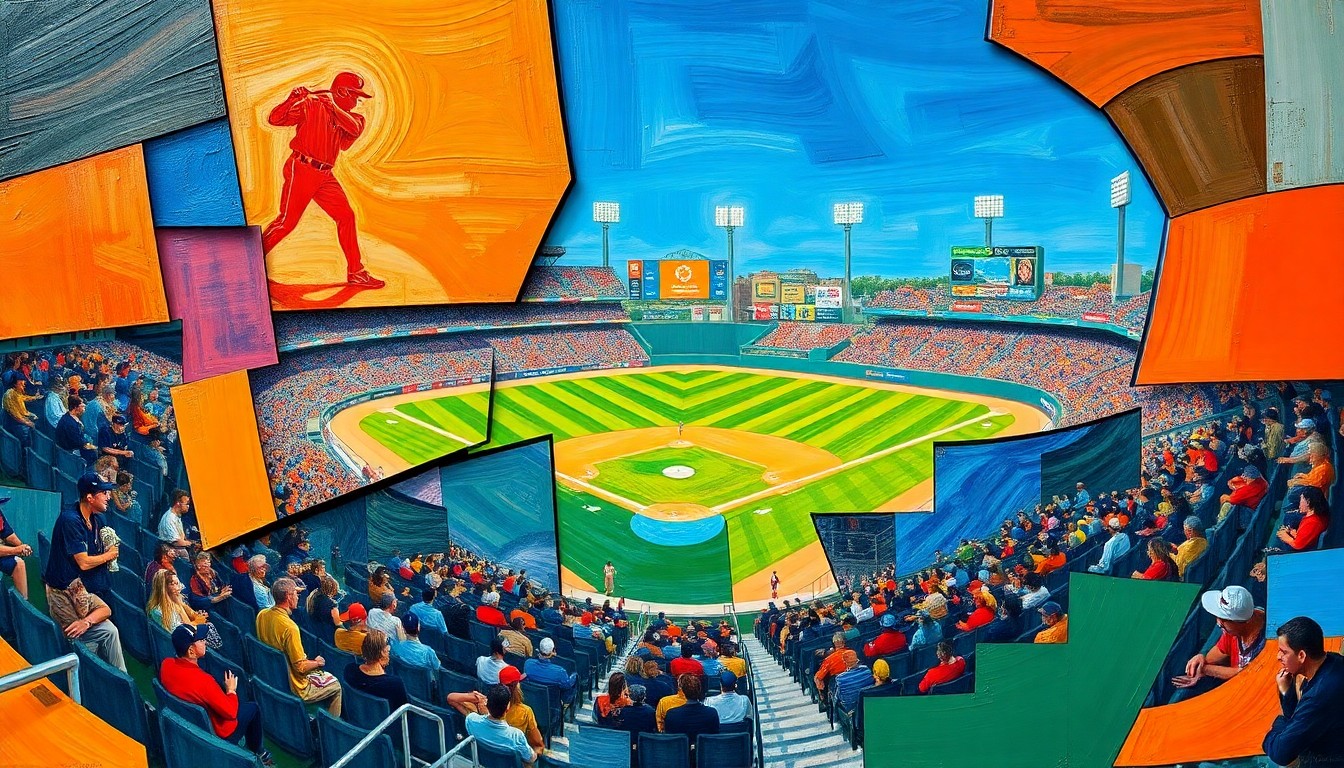 The Padres' record-breaking sale price reflects the growing financial prosperity of Major League Baseball, complicating the upcoming labor negotiations.Los Angeles Today
The San Diego Padres are set to be sold to a group led by Chelsea Football co-owner José E. Feliciano and his wife Kwanza Jones for a record-breaking $3.9 billion. This price tag has elicited a variety of reactions from executives, agents, and other industry figures, with many wondering how it will impact the upcoming Collective Bargaining Agreement (CBA) negotiations between MLB owners and players.
Why it matters
The Padres' sale price shatters the previous MLB record and goes against the notion that franchise valuations have been lagging behind other major sports leagues. This could strengthen the players' union's position in CBA talks, as they argue that the league is financially prosperous even without a salary cap. However, some wonder if the Padres are an outlier, given their unique market and revenue streams.
The details
The Padres' $3.9 billion sale price is a 59% jump from their previous $3.1 billion valuation. This surpasses the previous MLB record of $2.42 billion set by the New York Mets in 2020. Experts attribute the high price to factors like the Padres being the only major professional sports team in San Diego, their excellent attendance and weather, and the stadium's ability to host other events. The sale price also reflects the growing interest from billionaire buyers, especially in desirable markets like California.
- The Padres' sale is expected to be finalized in the coming weeks.
- MLB's current Collective Bargaining Agreement expires later this year, setting the stage for upcoming labor negotiations.
The players
José E. Feliciano
The co-owner of Chelsea Football Club who is leading the group to purchase the San Diego Padres.
Kwanza Jones
The wife of José E. Feliciano and a member of the group purchasing the San Diego Padres.
Scott Boras
A prominent MLB agent who believes the Padres' sale price reflects the league's prosperity and undermines the need for a salary cap.
Arte Moreno
The owner of the Los Angeles Angels who explored selling the team in 2022 but then took it off the market in 2024.
Pohlad family
The owners of the Minnesota Twins who explored a sale in 2025 but reversed course after failing to get their desired price.
What they’re saying
“Absolutely shocked, said one team executive of the price. 'Now what does this mean for the (upcoming) CBA?'”
— Team Executive
“These franchises are so undervalued it's insane. There is no outlier in private equity. They care about valuation. Would you rather own the Phoenix Suns or San Diego Padres when you have double the content in baseball? Can you imagine what this does to other valuations? The fallacy of a salary cap helping. Does private equity care about salary caps? No, they care about 162 games and content and about selling stadium rights for $100-plus million.”
— Scott Boras, MLB Agent
“I hope they aren't an (outlier). I hope it's an example of what small market teams can do with the right ownership. For years, there's been people saying, 'How can they keep spending?' or 'It's going to massively crash on them,' but kudos to them. They invested in the product and have been rewarded.”
— Industry Executive
What’s next
The sale of the Padres is expected to be finalized in the coming weeks, and the team's new ownership group will likely be closely watched as the league prepares for its upcoming CBA negotiations with the players' union.
The takeaway
The Padres' record-breaking sale price has sparked intense speculation about its potential impact on the upcoming CBA negotiations, with the players' union likely to use it as evidence that franchise valuations are rising even without a salary cap in place. This sale could reshape the dynamics of the labor talks and the broader financial landscape of Major League Baseball.
Los Angeles top stories


Los Angeles events

Apr. 18, 2026
Los Angeles Philharmonic w/ Ryan Bancroft
Apr. 18, 2026
TINA - The Tina Turner Musical (touring)