- Today
- Holidays
- Birthdays
- Reminders
- Cities
- Atlanta
- Austin
- Baltimore
- Berwyn
- Beverly Hills
- Birmingham
- Boston
- Brooklyn
- Buffalo
- Charlotte
- Chicago
- Cincinnati
- Cleveland
- Columbus
- Dallas
- Denver
- Detroit
- Fort Worth
- Houston
- Indianapolis
- Knoxville
- Las Vegas
- Los Angeles
- Louisville
- Madison
- Memphis
- Miami
- Milwaukee
- Minneapolis
- Nashville
- New Orleans
- New York
- Omaha
- Orlando
- Philadelphia
- Phoenix
- Pittsburgh
- Portland
- Raleigh
- Richmond
- Rutherford
- Sacramento
- Salt Lake City
- San Antonio
- San Diego
- San Francisco
- San Jose
- Seattle
- Tampa
- Tucson
- Washington
A Sephardic Love Story–Eggplant Burekas
The transmission of these bureka recipes from generation to generation is a way of retaining heritage and history in Sephardic communities around the world.
Apr. 16, 2026 at 7:12am
Got story updates? Submit your updates here. ›
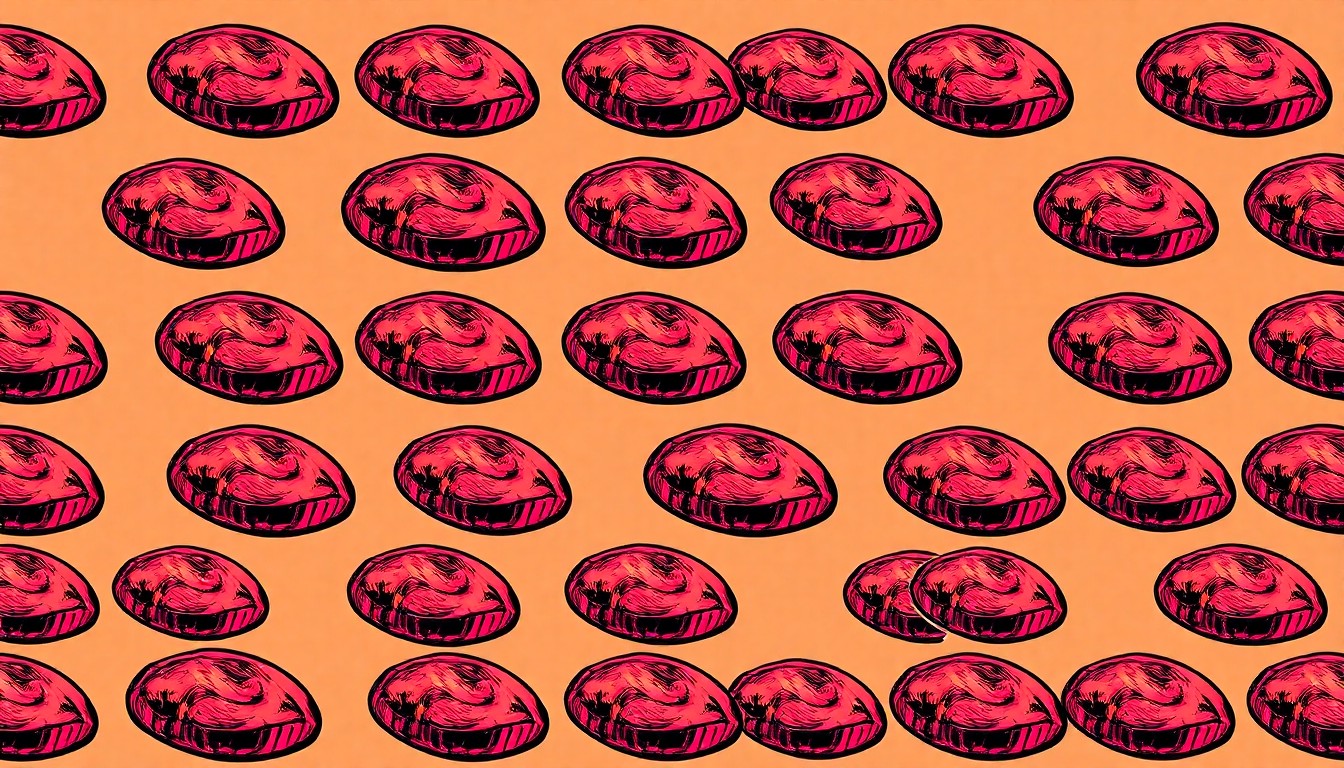 The iconic eggplant bureka, a beloved Sephardic pastry, is celebrated in a vibrant pop art homage that captures the rich cultural heritage and culinary traditions of the Sephardic diaspora.Los Angeles Today
The article explores the origins and cultural significance of the bureka, a Sephardic Jewish pastry that emerged after the Expulsion of the Jews from the Iberian peninsula in 1492. It traces the journey of the bureka recipe as it was brought to the Ottoman Empire, pre-state Israel, and eventually Los Angeles, where it became a beloved part of the Sephardic community's culinary heritage.
Why it matters
The bureka is a tangible, edible reminder of the Sephardic Jewish diaspora and the preservation of cultural traditions through food. The recipe's transmission across generations and geographic regions highlights how the preparation and sharing of these pastries has helped Sephardic communities around the world retain their unique heritage and history.
The details
The article explains how the Sephardic Jews who were expelled from Spain in 1492 were welcomed by the Ottoman Sultan Bayezid II, who encouraged them to settle in cities like Thessaloniki and İzmir. There, they encountered the assorted cheesy, spinach, eggplant and meat burek pie fillings of the Ottoman kitchen, and incorporated them into the flaky short-crust dough of their cherished Spanish empanada, thus inventing the bureka. The recipe was then brought to pre-state Israel by Sephardic immigrants, where it became an iconic Israeli staple, and eventually made its way to the Sephardic community in Los Angeles.
- In 1492, the Expulsion of the Jews from the Iberian peninsula occurred.
- In the late 15th century, the Sephardic Jews settled in the Ottoman Empire, including cities like Thessaloniki and İzmir.
- In the 1970s, there were 80 branches of Sami Borekas, a Sephardic bureka shop, in Israel.
- In 1980, Neil, the author's husband, was a student in Jerusalem and missed the eggplant burekas his mother made.
The players
Sultan Bayezid II
The Ottoman Sultan who welcomed the Sephardic Jews expelled from Spain and encouraged them to settle in major cities like Thessaloniki and İzmir.
Sami Alcolombry
A Bulgarian Jewish immigrant who began selling his mother's burekas from a baby stroller in the streets of pre-state Israel, eventually opening a popular shop called Sami Borekas.
Victoria
The author's husband Neil's grandmother, a Ladino-speaking immigrant from the island of Rhodes.
Neil
The author's husband, who grew up in the Sephardic community in Los Angeles and missed his mother's homemade eggplant burekas while studying in Jerusalem.
Becky
Neil's mother, who taught him the recipe for the authentic Sephardic eggplant burekas.
What they’re saying
“The transmission of these bureka recipes from generation to generation is a way of retaining heritage and history in Sephardic communities around the world.”
— Rachel Emquies Sheff, Co-author
The takeaway
The bureka, a Sephardic Jewish pastry, has become a cherished part of the cultural heritage and culinary traditions of Sephardic communities around the world. The recipe's journey and evolution, from its origins in the Iberian peninsula to its present-day status as an iconic Israeli food, highlights how the transmission of these recipes across generations has helped preserve the unique identity and history of the Sephardic diaspora.
Los Angeles top stories


Los Angeles events

Apr. 18, 2026
Los Angeles Philharmonic w/ Ryan Bancroft
Apr. 18, 2026
TINA - The Tina Turner Musical (touring)