- Today
- Holidays
- Birthdays
- Reminders
- Cities
- Atlanta
- Austin
- Baltimore
- Berwyn
- Beverly Hills
- Birmingham
- Boston
- Brooklyn
- Buffalo
- Charlotte
- Chicago
- Cincinnati
- Cleveland
- Columbus
- Dallas
- Denver
- Detroit
- Fort Worth
- Houston
- Indianapolis
- Knoxville
- Las Vegas
- Los Angeles
- Louisville
- Madison
- Memphis
- Miami
- Milwaukee
- Minneapolis
- Nashville
- New Orleans
- New York
- Omaha
- Orlando
- Philadelphia
- Phoenix
- Pittsburgh
- Portland
- Raleigh
- Richmond
- Rutherford
- Sacramento
- Salt Lake City
- San Antonio
- San Diego
- San Francisco
- San Jose
- Seattle
- Tampa
- Tucson
- Washington
USC Study Uncovers Brain Mechanisms Behind Post-Stroke Urinary Incontinence
Groundbreaking research reveals how stroke disrupts key brain networks responsible for regulating bladder control, paving the way for targeted therapies.
Apr. 13, 2026 at 5:21am
Got story updates? Submit your updates here. ›
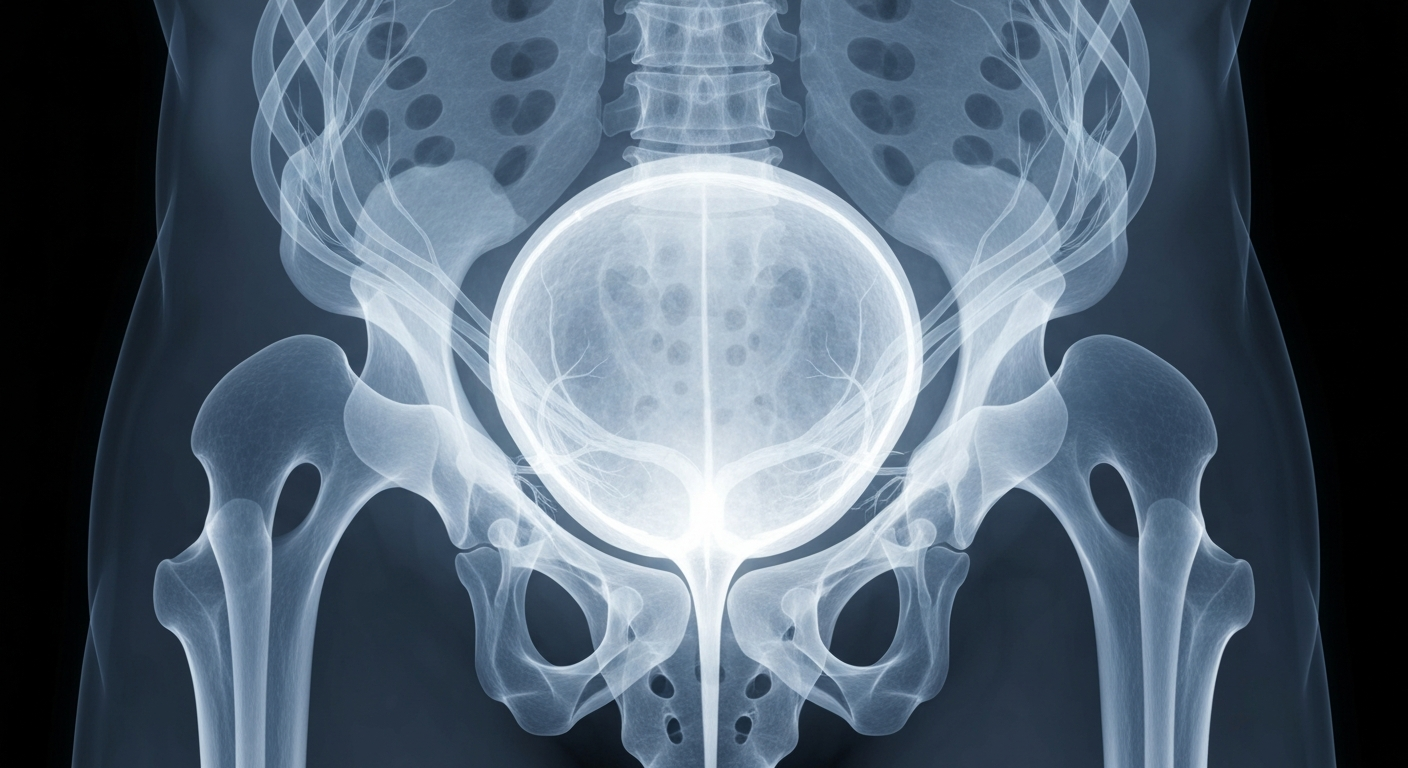 Groundbreaking brain imaging research sheds light on the neurological underpinnings of a common yet often overlooked stroke complication: urinary incontinence.Los Angeles Today
A new study from the USC Keck School of Medicine has uncovered the neurological basis of urinary incontinence, a common and debilitating condition affecting up to 79% of stroke survivors. Using functional MRI, researchers found that stroke disrupts the brain's 'salience network' which is crucial for regulating bladder control, leading to the inability to suppress unwanted bladder contractions. This breakthrough provides hope for developing non-invasive brain stimulation, medication, and cognitive therapies to restore bladder function and improve quality of life for millions of stroke patients.
Why it matters
Urinary incontinence is a significant, often overlooked challenge for stroke survivors, impacting their independence, social life, and mental well-being. Understanding the precise neurological mechanisms behind this condition is a crucial step towards developing effective treatments and restoring bladder control.
The details
The USC research team utilized functional MRI to observe brain activity during both voluntary and involuntary bladder contractions in stroke survivors. They found that while healthy individuals showed activation in brain regions associated with sensorimotor control and decision-making during voluntary urination, stroke survivors exhibited minimal cortical activation during involuntary bladder emptying. The key discovery was the inactivity of the 'salience network' - which evaluates internal stimuli like a full bladder - during bladder filling preceding involuntary urination in stroke patients. This appears to be a core mechanism underlying post-stroke urinary incontinence.
- The study was recently published in the journal Stroke in April 2026.
The players
Dr. Evgeniy Kreydin
Lead author of the study and adjunct assistant professor of clinical urology at the USC Keck School of Medicine.
Dr. Charles Liu
Director of the USC Neurorestoration Center and senior author of the study.
USC Keck School of Medicine
The research institution where the study was conducted.
Urology Care Foundation
The organization that provided grant funding for the research.
The American Stroke Association
A resource for stroke recovery and support information.
What they’re saying
“The brain plays a crucial role in regulating the bladder, allowing people to sense bladder fullness and giving them the ability to delay urination. In contrast, stroke survivors often struggle to suppress unwanted bladder contractions and may even lose bladder sensation entirely. The precise neurological foundations of this dysfunction have remained poorly understood until recently.”
— Dr. Evgeniy Kreydin, Lead author of the study and adjunct assistant professor of clinical urology at the USC Keck School of Medicine
“The neurological basis of urination is still poorly understood, and additional research will be crucial for the neurorestoration of the urinary and reproductive systems. This work not only deepens our understanding of a common post-stroke complication but also provides hope for a better quality of life for millions of stroke survivors globally.”
— Dr. Charles Liu, Director of the USC Neurorestoration Center and senior author of the study
What’s next
Researchers are exploring several potential therapeutic approaches, including non-invasive brain stimulation techniques like transcranial magnetic stimulation (TMS) and direct current stimulation (tDCS) to target and reactivate the salience network, as well as developing new medications to enhance neural activation in critical continence control regions. Cognitive training and biofeedback therapies designed to improve bladder awareness and voluntary control are also being investigated.
The takeaway
This groundbreaking research represents a major step forward in understanding and treating the debilitating condition of post-stroke urinary incontinence. By uncovering the precise neurological mechanisms behind this common complication, the USC team has opened up exciting possibilities for developing targeted therapies to restore bladder control and significantly improve the quality of life for millions of stroke survivors worldwide.
Los Angeles top stories



Los Angeles events

Apr. 13, 2026
Svn Wrestling Presents Death Crue La
Apr. 13, 2026
Celebrating George Martin: The Scores