- Today
- Holidays
- Birthdays
- Reminders
- Cities
- Atlanta
- Austin
- Baltimore
- Berwyn
- Beverly Hills
- Birmingham
- Boston
- Brooklyn
- Buffalo
- Charlotte
- Chicago
- Cincinnati
- Cleveland
- Columbus
- Dallas
- Denver
- Detroit
- Fort Worth
- Houston
- Indianapolis
- Knoxville
- Las Vegas
- Los Angeles
- Louisville
- Madison
- Memphis
- Miami
- Milwaukee
- Minneapolis
- Nashville
- New Orleans
- New York
- Omaha
- Orlando
- Philadelphia
- Phoenix
- Pittsburgh
- Portland
- Raleigh
- Richmond
- Rutherford
- Sacramento
- Salt Lake City
- San Antonio
- San Diego
- San Francisco
- San Jose
- Seattle
- Tampa
- Tucson
- Washington
Tapatío Hot Sauce Sees Sales Surge Amid GLP-1 Drug Popularity
Private equity firm Highlander Partners cites appetite-suppressing drugs as a key factor in their acquisition of the iconic hot sauce brand.
Apr. 13, 2026 at 12:24am
Got story updates? Submit your updates here. ›
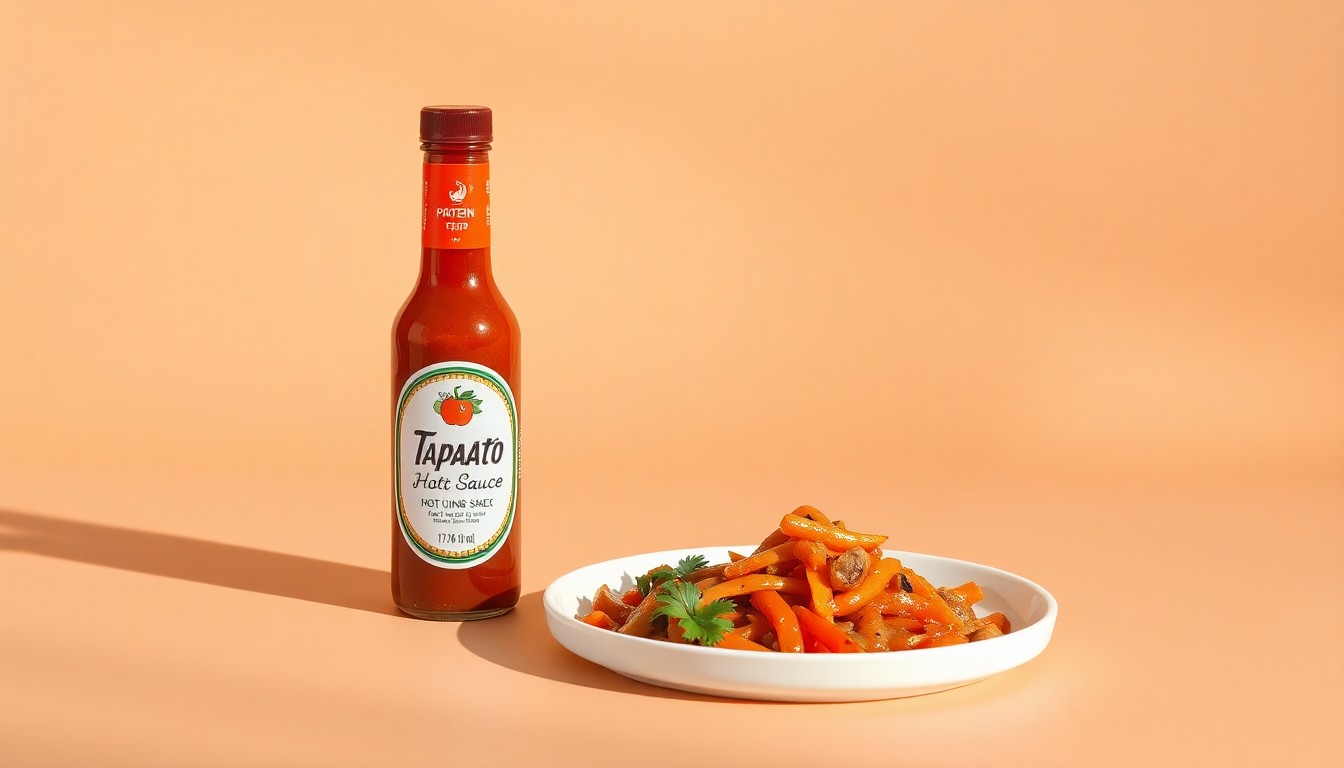 The rise of appetite-suppressing GLP-1 drugs has fueled a surge in demand for bold, flavorful hot sauces like Tapatío.Los Angeles Today
Tapatío, one of the most popular hot sauce brands in the U.S., has seen a significant uptick in sales as people taking GLP-1 drugs like Ozempic and Wegovy seek out bolder taste experiences. Highlander Partners, the private equity firm that recently acquired Tapatío, highlighted this trend as a key factor in their decision to purchase the hot sauce company.
Why it matters
The rise in popularity of GLP-1 drugs, which suppress appetite, is having a ripple effect on the food industry. Hot sauce makers like Tapatío are benefiting as people taking these medications seek out more intense flavors to satisfy their cravings. This trend could lead to further consolidation in the hot sauce market as companies look to capitalize on this shift in consumer behavior.
The details
According to Highlander Partners' Jeff Partridge, the firm was drawn to the hot sauce market due to an uptick in sales as people taking GLP-1 drugs seek out bolder taste experiences. 'Whether it's GLP-1 or desire for proteins, Tapatío and hot sauces enhance that experience,' Partridge said. The popularity of high-protein foods is also increasing among consumers who aren't taking GLP-1 drugs, as they look for an 'off-switch for food noise.' This trend could lead to further consolidation in the hot sauce industry, as evidenced by the recent merger between McCormick and Unilever Foods.
- Tapatío was sold to private equity firm Highlander Partners earlier this year.
- In late March 2026, McCormick and Unilever Foods announced a merger, bringing a number of hot and spicy sauces under the same corporate umbrella.
The players
Tapatío
A popular hot sauce brand in the United States.
Highlander Partners
The private equity firm that acquired Tapatío earlier this year.
Jeff Partridge
A representative of Highlander Partners who cited the impact of GLP-1 drugs on hot sauce sales as a key factor in the firm's acquisition of Tapatío.
McCormick
A food company that recently announced a merger with Unilever Foods, bringing a number of hot and spicy sauces under the same corporate umbrella.
Unilever Foods
A food company that recently announced a merger with McCormick, bringing a number of hot and spicy sauces under the same corporate umbrella.
What they’re saying
“Whether it's GLP-1 or desire for proteins, Tapatío and hot sauces enhance that experience.”
— Jeff Partridge, Representative of Highlander Partners
“Even consumers who aren't on GLP-1s recognize that there needs to be an off-switch for 'food noise,' and the answer is a massive dose of protein.”
— Kevin Ryan, Malachite Strategy and Research
What’s next
If adoption of GLP-1 drugs continues to grow, more deals like the McCormick-Unilever merger could be in the cards as hot sauce manufacturers look to capitalize on the trend.
The takeaway
The rise in popularity of GLP-1 drugs, which suppress appetite, is having a significant impact on the hot sauce market. Brands like Tapatío are benefiting as people taking these medications seek out bolder flavors, and this trend could lead to further consolidation in the industry as companies look to position themselves to take advantage of this shift in consumer behavior.
Los Angeles top stories


Los Angeles events

Apr. 13, 2026
Svn Wrestling Presents Death Crue La
Apr. 13, 2026
Celebrating George Martin: The Scores