- Today
- Holidays
- Birthdays
- Reminders
- Cities
- Atlanta
- Austin
- Baltimore
- Berwyn
- Beverly Hills
- Birmingham
- Boston
- Brooklyn
- Buffalo
- Charlotte
- Chicago
- Cincinnati
- Cleveland
- Columbus
- Dallas
- Denver
- Detroit
- Fort Worth
- Houston
- Indianapolis
- Knoxville
- Las Vegas
- Los Angeles
- Louisville
- Madison
- Memphis
- Miami
- Milwaukee
- Minneapolis
- Nashville
- New Orleans
- New York
- Omaha
- Orlando
- Philadelphia
- Phoenix
- Pittsburgh
- Portland
- Raleigh
- Richmond
- Rutherford
- Sacramento
- Salt Lake City
- San Antonio
- San Diego
- San Francisco
- San Jose
- Seattle
- Tampa
- Tucson
- Washington
U.S. Deports Relatives of Iranian Elite Officials
State Department revokes green cards of family members with ties to Iranian regime
Apr. 12, 2026 at 9:06am
Got story updates? Submit your updates here. ›
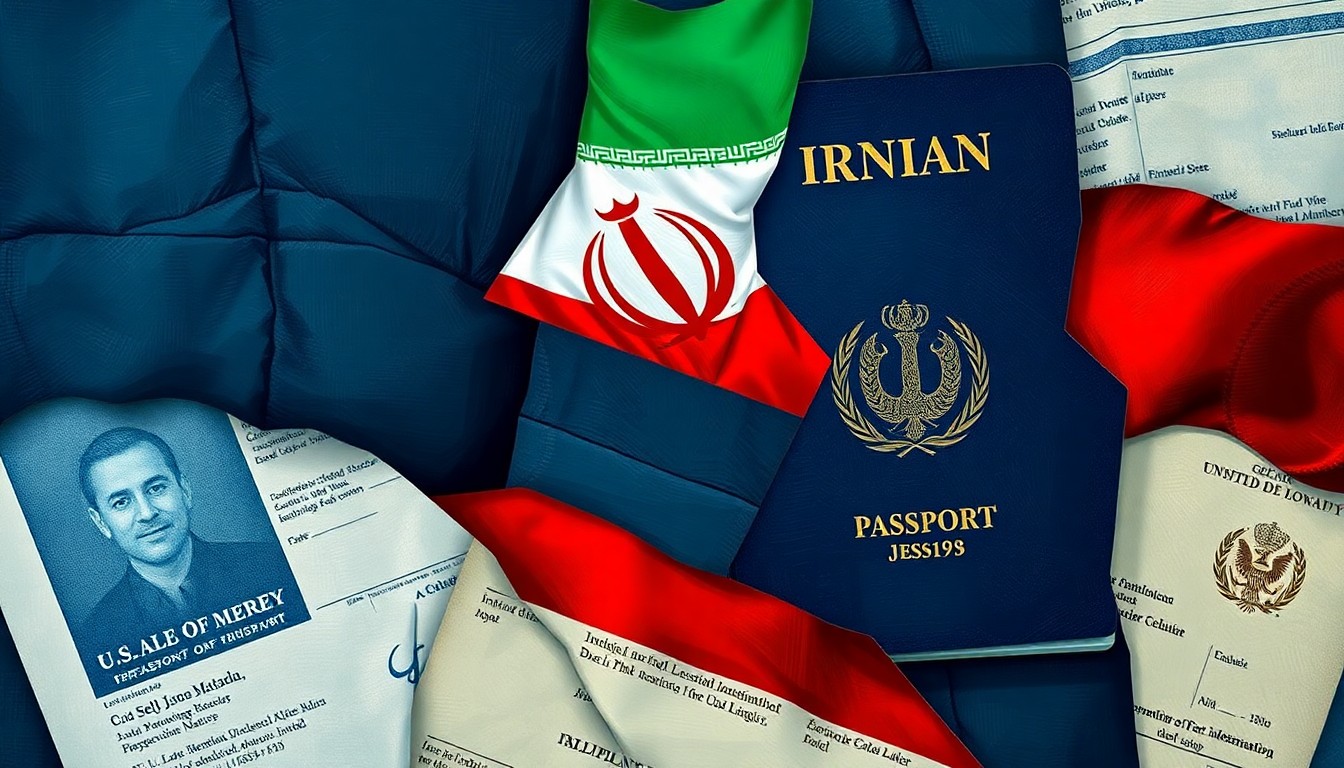 The U.S. government’s deportation of Iranian officials’ family members reflects a hardline immigration policy aimed at the Iranian regime.Los Angeles Today
The U.S. government has revoked the permanent resident status of several family members of high-ranking Iranian officials, including the son, daughter-in-law, and grandchild of former Iranian vice president Masume Ebtekar. The deportations are part of a broader effort by the Trump administration to target relatives of the Iranian elite who have sought refuge in the U.S.
Why it matters
The deportations represent a shift in U.S. immigration policy, moving away from previous administrations’ approaches that often overlooked the political backgrounds of applicants’ relatives abroad. The Trump administration is using immigration as a tool to apply pressure on the Iranian regime and its supporters.
The details
Seyed Eissa Hashemi, the son of former Iranian vice president Masume Ebtekar, entered the U.S. on a student visa in 2014 and later received a green card through the diversity visa lottery program. However, U.S. Secretary of State Marco Rubio has now revoked Hashemi’s permanent resident status, along with that of his wife and child, and they are currently in immigration custody awaiting deportation. Just last week, the State Department similarly revoked the legal status of relatives of Qasem Soleimani, the former head of Iran’s Revolutionary Guard Corps.
- In 2014, Seyed Eissa Hashemi entered the U.S. on a student visa.
- In 2016, Hashemi and his family received green cards through the diversity visa lottery program.
- In April 2026, U.S. Secretary of State Marco Rubio revoked the family’s permanent resident status.
The players
Masume Ebtekar
A former Iranian vice president who was known as the “Screenaming Mary” during the 1979 Iran hostage crisis for her role as the Islamists’ chief press secretary.
Seyed Eissa Hashemi
The son of Masume Ebtekar who moved to the U.S. in 2014 on a student visa and later received a green card through the diversity visa lottery program.
Marco Rubio
The U.S. Secretary of State who revoked the permanent resident status of Hashemi and his family.
Qasem Soleimani
The former head of Iran’s Revolutionary Guard Corps whose relatives also had their legal status revoked by the U.S. State Department.
What’s next
The judge in the case will decide on Tuesday whether or not to allow Seyed Eissa Hashemi and his family to remain in the U.S. or proceed with their deportation.
The takeaway
The deportations of relatives of Iranian officials highlight the Trump administration’s efforts to use immigration policy as a tool to apply pressure on the Iranian regime. This shift represents a departure from previous approaches that often overlooked the political backgrounds of applicants’ family members.
Los Angeles top stories



Los Angeles events

Apr. 12, 2026
Monty Python's Spamalot (Touring)
Apr. 12, 2026
Los Angeles Lakers vs. Utah Jazz
Apr. 12, 2026
Monty Python's Spamalot (Touring)