- Today
- Holidays
- Birthdays
- Reminders
- Cities
- Atlanta
- Austin
- Baltimore
- Berwyn
- Beverly Hills
- Birmingham
- Boston
- Brooklyn
- Buffalo
- Charlotte
- Chicago
- Cincinnati
- Cleveland
- Columbus
- Dallas
- Denver
- Detroit
- Fort Worth
- Houston
- Indianapolis
- Knoxville
- Las Vegas
- Los Angeles
- Louisville
- Madison
- Memphis
- Miami
- Milwaukee
- Minneapolis
- Nashville
- New Orleans
- New York
- Omaha
- Orlando
- Philadelphia
- Phoenix
- Pittsburgh
- Portland
- Raleigh
- Richmond
- Rutherford
- Sacramento
- Salt Lake City
- San Antonio
- San Diego
- San Francisco
- San Jose
- Seattle
- Tampa
- Tucson
- Washington
Iranian Dissidents in the US Face Dual Fears Amid Escalating Tensions
Exiled activists grapple with threats and uncertainty as US-Iran conflict intensifies
Apr. 12, 2026 at 10:28pm
Got story updates? Submit your updates here. ›
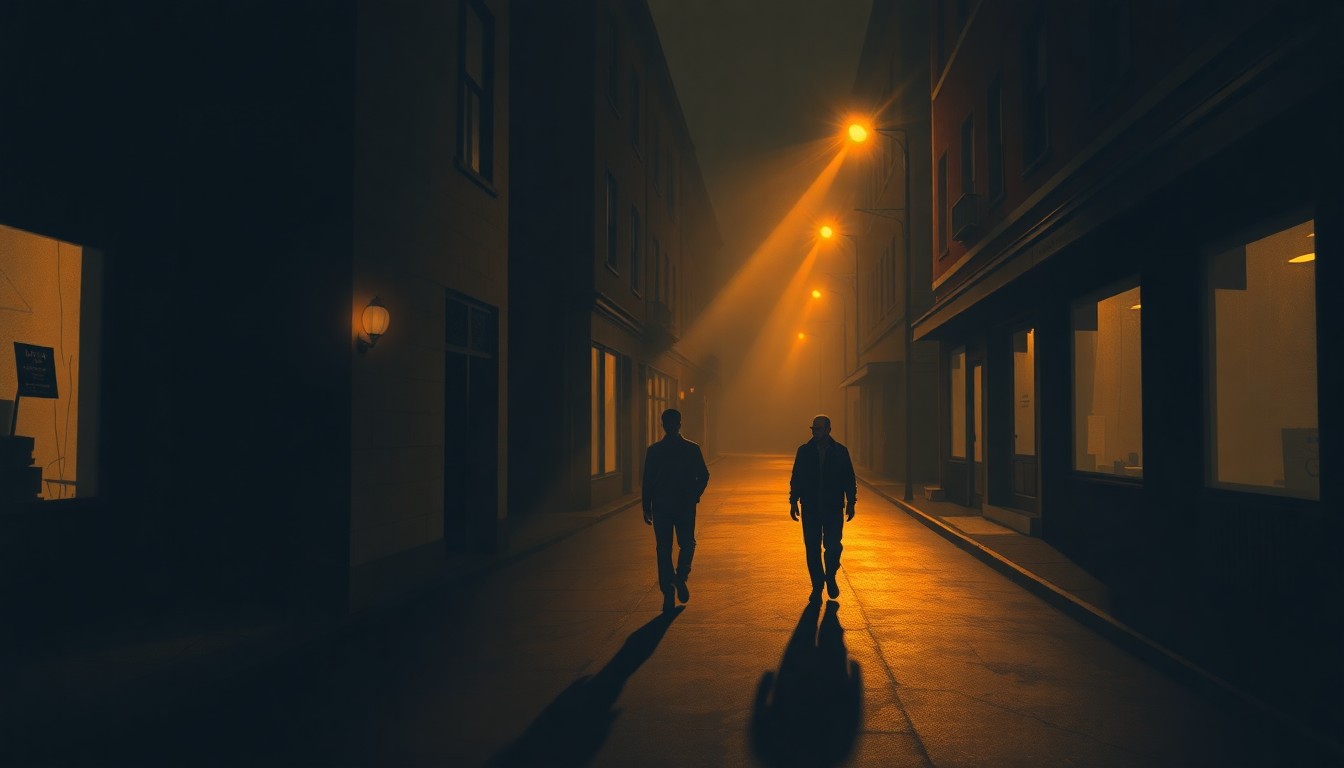 In the shadow of escalating US-Iran tensions, Iranian dissidents in America face a constant sense of vulnerability and uncertainty.Los Angeles Today
Iranian dissidents living in the US, like Roozbeh Farahanipour, face a growing sense of vulnerability as tensions between the US and Iran escalate. Despite finding refuge in America, they continue to encounter threats and incidents that underscore the constant fear of retaliation for their activism against the Iranian regime. The recent US-led war against Iran has only amplified these concerns, leaving dissidents feeling unsafe both in the US and in their home country.
Why it matters
The situation highlights the complex challenges faced by immigrant communities seeking asylum, as they grapple with balancing national security and human rights. The plight of Iranian dissidents in the US raises deeper questions about the delicate balance between protecting vulnerable populations and navigating geopolitical tensions.
The details
Roozbeh Farahanipour, a 54-year-old businessman and activist, fled Iran in 2000 after founding the opposition party Marz-e Por Gohar. In his new home of Los Angeles, Farahanipour has encountered incidents of vandalism and violence, including having his car tires slashed and the door of his restaurant shattered by gunfire during a testimony. These events underscore the constant fear of retaliation for his activism against the Iranian regime. The recent US-led war against Iran has only added to the uncertainty faced by Iranian dissidents, with Negar Razavi, a scholar at Princeton University, describing an atmosphere of "dual fear" as they feel unsafe both in the US and in Iran. The Trump administration's deportation of Iranians, including refugees and asylum seekers, has further fueled these concerns, creating a climate of fear and uncertainty.
- In 2000, Roozbeh Farahanipour left Iran and sought refuge in the United States.
- In January 2026, over a hundred Iranians were deported back to Iran by the US government, despite the risks they faced.
The players
Roozbeh Farahanipour
A 54-year-old businessman and activist who fled Iran in 2000 after founding the opposition party Marz-e Por Gohar. He has faced threats and incidents of vandalism in his new home of Los Angeles.
Negar Razavi
A scholar at Princeton University's Mossavar-Rahmani Center for Iran and Persian Gulf Studies, who describes an atmosphere of "dual fear" among Iranian dissidents in the US.
What they’re saying
“Nowhere is truly safe.”
— Roozbeh Farahanipour, Businessman and Activist
“They feel unsafe both in the US and in Iran, highlighting the stark reality of their situation.”
— Negar Razavi, Scholar
What’s next
The future for Iranian dissidents in the US remains uncertain, as the war in Iran could escalate, leading to further tensions and potential threats. Alternatively, the conflict could serve as a catalyst for change, both in Iran and in the US, as the world grapples with the implications of this crisis.
The takeaway
The plight of Iranian dissidents in the US underscores the delicate balance between national security and human rights, and the challenges of navigating this balance in an increasingly polarized world. Their struggle highlights the need for a more nuanced approach to protecting vulnerable populations while addressing geopolitical tensions.
Los Angeles top stories



Los Angeles events

Apr. 17, 2026
City Sounds: USC Thornton School of Music Jazz Studies
Apr. 17, 2026
Los Angeles Philharmonic w/ Ryan Bancroft
Apr. 17, 2026
TINA - The Tina Turner Musical (touring)