- Today
- Holidays
- Birthdays
- Reminders
- Cities
- Atlanta
- Austin
- Baltimore
- Berwyn
- Beverly Hills
- Birmingham
- Boston
- Brooklyn
- Buffalo
- Charlotte
- Chicago
- Cincinnati
- Cleveland
- Columbus
- Dallas
- Denver
- Detroit
- Fort Worth
- Houston
- Indianapolis
- Knoxville
- Las Vegas
- Los Angeles
- Louisville
- Madison
- Memphis
- Miami
- Milwaukee
- Minneapolis
- Nashville
- New Orleans
- New York
- Omaha
- Orlando
- Philadelphia
- Phoenix
- Pittsburgh
- Portland
- Raleigh
- Richmond
- Rutherford
- Sacramento
- Salt Lake City
- San Antonio
- San Diego
- San Francisco
- San Jose
- Seattle
- Tampa
- Tucson
- Washington
Former NFL Player Rickey Thenarse Shot in Los Angeles
Incident raises questions about aftercare for athletes who slip from rosters into a rawer world
Apr. 12, 2026 at 4:11pm
Got story updates? Submit your updates here. ›
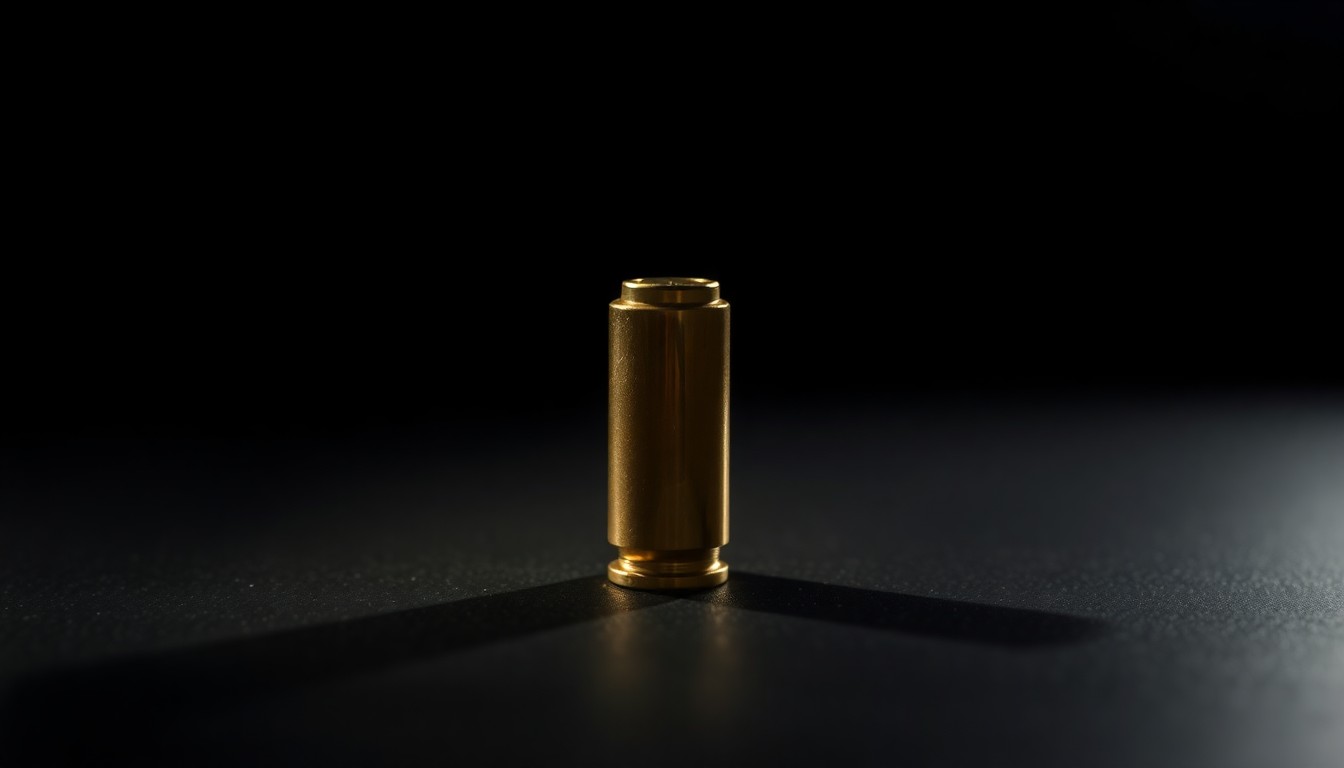 A stark reminder of the fragility that can lurk behind the mythos of professional sports.Los Angeles Today
Rickey Thenarse, a former Seattle Seahawks hopeful, was rushed to the hospital after a gunshot wound to the stomach in South Los Angeles. The incident, still under investigation, raises urgent questions about the aftercare of athletes who slip from rosters into a broader, rawer world beyond the field.
Why it matters
This case highlights the fragility behind athlete myths and the precarious arc of a football career. It exposes the gap between 'former athlete' and 'former plan' as athletic talent is a powerful but brittle credential, and the reformulation of life after football is a daily negotiation with money, networks, and meaning.
The details
Thenarse went undrafted in 2011, signed with the Seahawks, but never played a regular-season game. He arrived at Nebraska as a four-star recruit, carved out a role on special teams, then battled a knee injury in 2009 that sidelined him for most of that season. He returned to play 10 games in 2010, starting five, and produced respectable numbers. He also earned the Tom Novak Award, a recognition of overcoming odds.
- Thenarse was shot in South Los Angeles on April 12, 2026.
The players
Rickey Thenarse
A former Seattle Seahawks hopeful and Nebraska Cornhuskers player who was shot in the stomach in South Los Angeles.
What’s next
The police investigation into the shooting incident is ongoing.
The takeaway
This incident highlights the broader failure to create lasting safety nets for athletes who don't make the roster leap into lasting NFL impact. It raises questions about the moral economy of sports and the need to invest in comprehensive aftercare programs to support players beyond their prime.
Los Angeles top stories

Los Angeles events
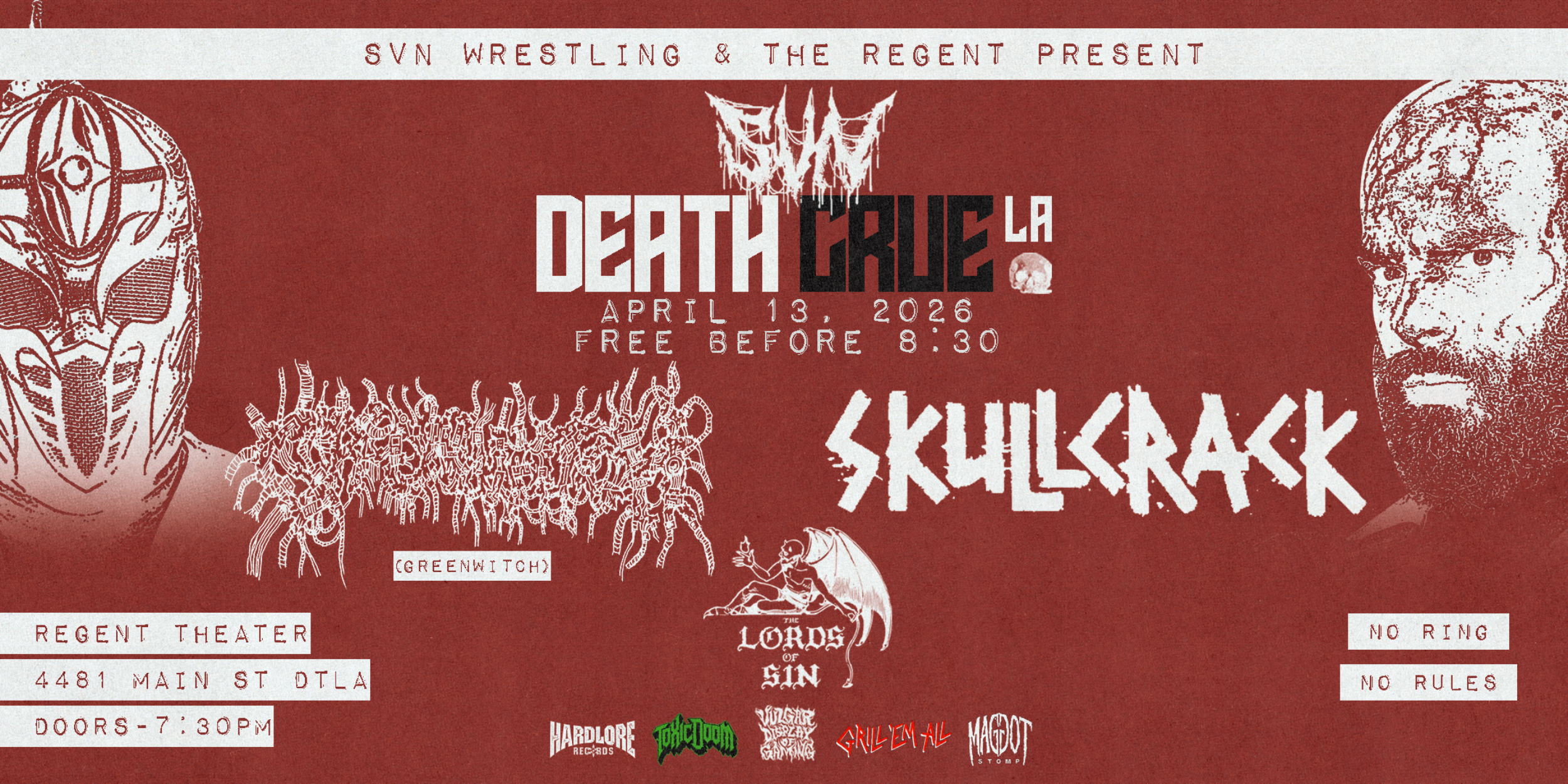
Apr. 13, 2026
Svn Wrestling Presents Death Crue La
Apr. 13, 2026
Celebrating George Martin: The Scores