- Today
- Holidays
- Birthdays
- Reminders
- Cities
- Atlanta
- Austin
- Baltimore
- Berwyn
- Beverly Hills
- Birmingham
- Boston
- Brooklyn
- Buffalo
- Charlotte
- Chicago
- Cincinnati
- Cleveland
- Columbus
- Dallas
- Denver
- Detroit
- Fort Worth
- Houston
- Indianapolis
- Knoxville
- Las Vegas
- Los Angeles
- Louisville
- Madison
- Memphis
- Miami
- Milwaukee
- Minneapolis
- Nashville
- New Orleans
- New York
- Omaha
- Orlando
- Philadelphia
- Phoenix
- Pittsburgh
- Portland
- Raleigh
- Richmond
- Rutherford
- Sacramento
- Salt Lake City
- San Antonio
- San Diego
- San Francisco
- San Jose
- Seattle
- Tampa
- Tucson
- Washington
Ophthalmologist Debunks Myth About Eye Exams for Seniors
Regular eye exams can reduce the risk of severe vision loss by over 90%, but many younger adults are skipping them.
Apr. 11, 2026 at 10:05am
Got story updates? Submit your updates here. ›
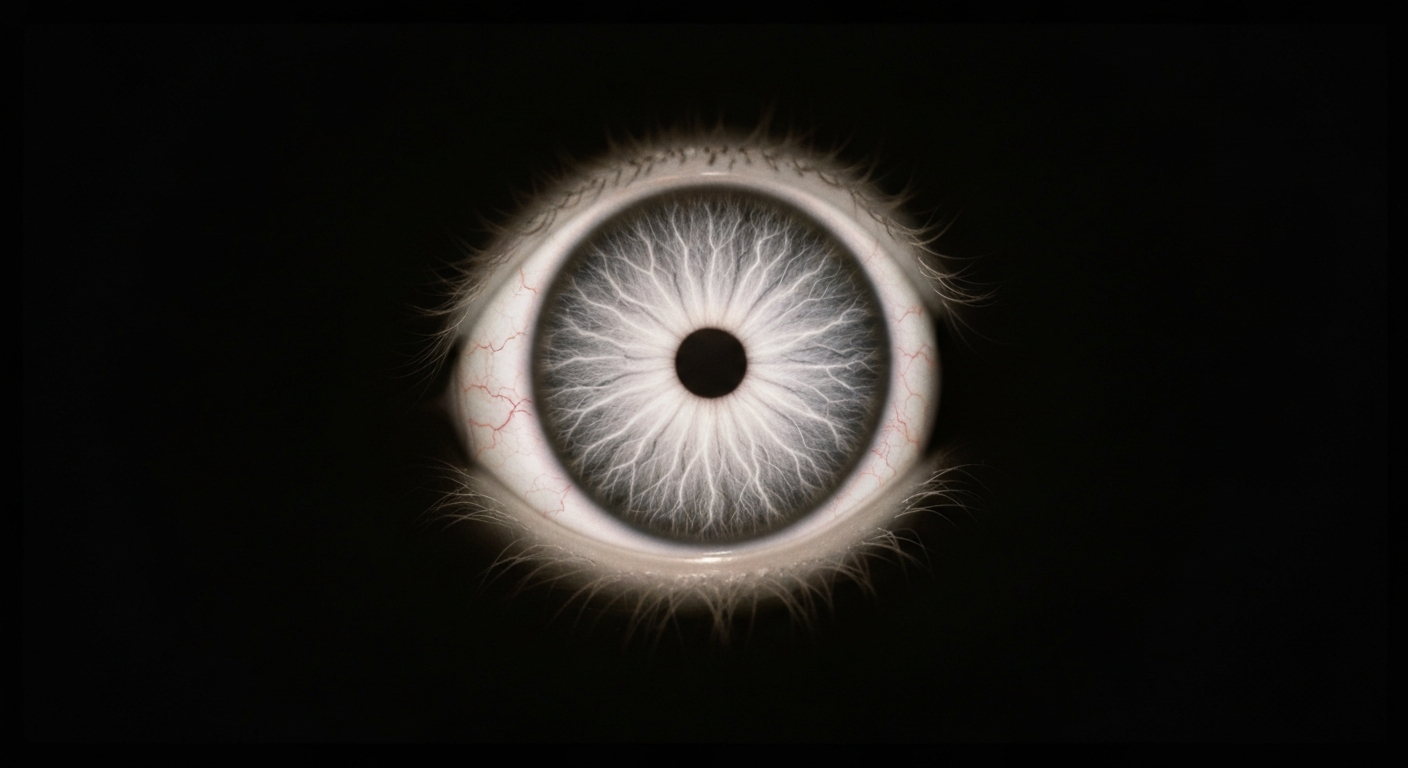 An X-ray view of the human eye reveals the complex internal structures that can be impacted by vision-threatening conditions, underscoring the importance of regular eye exams for people of all ages.Los Angeles Today
An ophthalmologist is urging people of all ages to get regular eye exams, not just senior citizens. While age does increase the risk of certain vision-threatening diseases, younger people can also develop serious eye conditions, particularly those with diabetes. The doctor highlights that timely interventions can dramatically reduce the risk of severe vision loss, but many people are not getting the recommended annual dilated eye examinations.
Why it matters
This story is important because it challenges the common misconception that eye disease only affects older adults. By raising awareness that younger people are also at risk, especially those with diabetes, the ophthalmologist hopes to encourage more people to prioritize regular comprehensive eye exams as a preventative health measure.
The details
Dr. Laura Fine, an ophthalmologist and volunteer for the EyeCare America program, explains that while age does increase the risk of certain vision-threatening diseases like macular degeneration, glaucoma, and cataracts, younger adults can also develop serious eye conditions. She notes that diabetic retinopathy, which damages blood vessels in the retina, is now the leading cause of blindness among working-age adults in the U.S. Dr. Fine emphasizes that regular eye exams and timely interventions can reduce the risk of severe vision loss by over 90%, but only about 60% of people with diabetes receive the recommended annual dilated eye exam.
- The American Academy of Ophthalmology recommends that all healthy adults have a comprehensive eye exam by age 40, when early signs of conditions like cataract, glaucoma, and age-related macular degeneration may begin to emerge.
The players
Dr. Laura Fine
An ophthalmologist who specializes in medical and surgical eye care, and is a volunteer for the EyeCare America program.
EyeCare America
A national public service program that offers no-out-of-pocket-cost medical eye exams with volunteer ophthalmologists to qualified individuals aged 18 and over.
What they’re saying
“Regular eye exams and timely interventions can reduce the risk of severe vision loss by more than 90%. However, only about 60% of people with diabetes receive the annual dilated eye examinations recommended by the American Academy of Ophthalmology.”
— Dr. Laura Fine, Ophthalmologist and EyeCare America Volunteer
What’s next
The EyeCare America program has expanded to offer no-cost medical eye exams to qualified individuals aged 18 and over, not just seniors. Readers are encouraged to visit www.aao.org/eyecare-america/patients to see if they or their loved ones are eligible.
The takeaway
This story highlights the importance of regular eye exams for people of all ages, not just senior citizens. By debunking the myth that eye disease only affects older adults, the ophthalmologist hopes to encourage more people, especially those with diabetes, to prioritize preventative eye care and take advantage of programs like EyeCare America that can provide affordable access to comprehensive eye examinations.
Los Angeles top stories


Los Angeles events

Apr. 11, 2026
Monty Python's Spamalot (Touring)
Apr. 11, 2026
Tatev Asatryan
Apr. 11, 2026
Los Angeles Dodgers vs. Texas Rangers