- Today
- Holidays
- Birthdays
- Reminders
- Cities
- Atlanta
- Austin
- Baltimore
- Berwyn
- Beverly Hills
- Birmingham
- Boston
- Brooklyn
- Buffalo
- Charlotte
- Chicago
- Cincinnati
- Cleveland
- Columbus
- Dallas
- Denver
- Detroit
- Fort Worth
- Houston
- Indianapolis
- Knoxville
- Las Vegas
- Los Angeles
- Louisville
- Madison
- Memphis
- Miami
- Milwaukee
- Minneapolis
- Nashville
- New Orleans
- New York
- Omaha
- Orlando
- Philadelphia
- Phoenix
- Pittsburgh
- Portland
- Raleigh
- Richmond
- Rutherford
- Sacramento
- Salt Lake City
- San Antonio
- San Diego
- San Francisco
- San Jose
- Seattle
- Tampa
- Tucson
- Washington
UFC Resists Poirier-Diaz Boxing Match Amid Crossover Concerns
The promotion's reluctance to embrace MMA-boxing hybrids reveals broader tensions in modern combat sports
Apr. 10, 2026 at 9:42am
Got story updates? Submit your updates here. ›
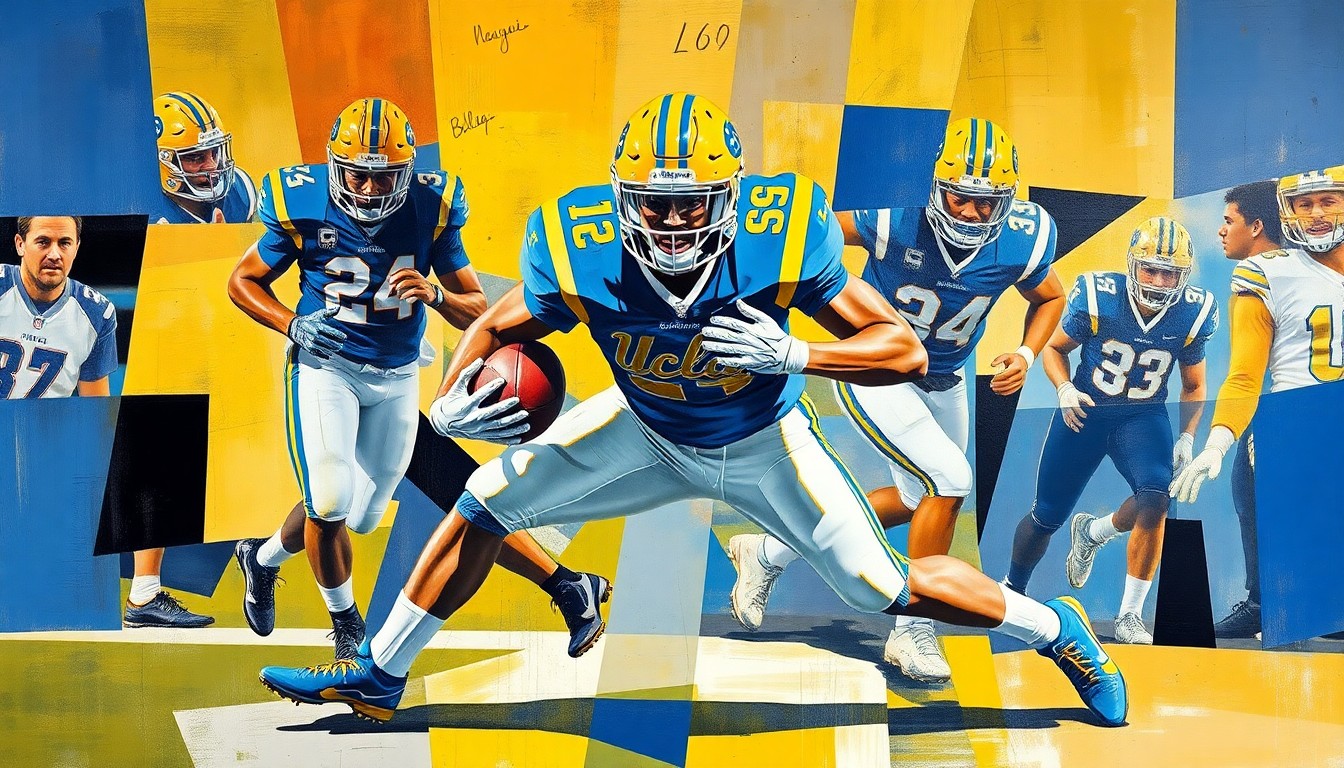
 A cubist interpretation of a potential crossover boxing match between UFC stars Dustin Poirier and Nate Diaz, reflecting the complex tensions between tradition and innovation in modern combat sports.Los Angeles Today
Dustin Poirier's recent comments about a potential boxing match with Nate Diaz have highlighted the UFC's hesitance to embrace crossover fights, exposing a broader debate in combat sports over balancing tradition, brand identity, and revenue potential. The UFC's Zuffa Boxing division has been cautious about MMA-boxing hybrids, prioritizing the purity of each sport's ecosystem over the lucrative possibilities of super-fights that could expand fan bases and star power. However, this strategic dilemma raises questions about how major promotions can responsibly design crossover events that protect fighter safety, preserve brand integrity, and invite broad audience engagement.
Why it matters
This debate over the Poirier-Diaz boxing match isn't just about a single fight - it's about how major combat sports promotions navigate the push-pull between protecting traditional boundaries and embracing the potential of cross-pollination. As audiences crave super-fights and fighters seek new revenue streams, the industry must find a way to balance risk, brand identity, and growth without eroding the foundations that underwrite fighter livelihoods.
The details
Poirier's critique that the UFC "hates money" by not embracing crossover fights highlights the complex psychology of risk and reward at the top levels of combat sports. While the upside of a Zuffa Boxing experiment could be enormous - expanded fan funnels, new sponsors, and a sense of inevitability for other athletes - the counter-arguments are also significant. Crossovers can unsettle fans who crave clarity on rules, medicals, and contract harmonization across sports. The strategic dilemma is whether to be an expansive platform that experiments with genre boundaries or a disciplined brand that guards its house rules as a moat against inconsistency.
- Dustin Poirier recently discussed the possibility of a boxing match with Nate Diaz.
The players
Dustin Poirier
A prominent UFC fighter who has expressed interest in a boxing match with Nate Diaz.
Nate Diaz
A veteran UFC fighter who has also been mentioned as a potential opponent for Poirier in a boxing match.
Zuffa Boxing
The UFC's boxing division, which has been cautious about embracing MMA-boxing crossover events.
What they’re saying
“They hate money.”
— Dustin Poirier, UFC Fighter
What’s next
The UFC could test the waters with a single, marquee crossover event between Poirier and Diaz, gathering viewer data and measuring brand impact before potentially expanding the model. This cautious, data-driven approach could help the promotion balance the lucrative potential of super-fights with the need to protect fighter safety, preserve brand integrity, and invite broad audience engagement.
The takeaway
This debate over the Poirier-Diaz boxing match highlights the broader tensions in modern combat sports between tradition and innovation. As audiences crave spectacle and fighters seek new revenue streams, major promotions must find a way to responsibly design crossover events that balance risk, brand identity, and growth without eroding the foundations that underwrite fighter livelihoods.
Los Angeles top stories


Los Angeles events
Apr. 12, 2026
Monty Python's Spamalot (Touring)
Apr. 12, 2026
Los Angeles Lakers vs. Utah Jazz
Apr. 12, 2026
Monty Python's Spamalot (Touring)