- Today
- Holidays
- Birthdays
- Reminders
- Cities
- Atlanta
- Austin
- Baltimore
- Berwyn
- Beverly Hills
- Birmingham
- Boston
- Brooklyn
- Buffalo
- Charlotte
- Chicago
- Cincinnati
- Cleveland
- Columbus
- Dallas
- Denver
- Detroit
- Fort Worth
- Houston
- Indianapolis
- Knoxville
- Las Vegas
- Los Angeles
- Louisville
- Madison
- Memphis
- Miami
- Milwaukee
- Minneapolis
- Nashville
- New Orleans
- New York
- Omaha
- Orlando
- Philadelphia
- Phoenix
- Pittsburgh
- Portland
- Raleigh
- Richmond
- Rutherford
- Sacramento
- Salt Lake City
- San Antonio
- San Diego
- San Francisco
- San Jose
- Seattle
- Tampa
- Tucson
- Washington
Study Reveals Shared Neural Mechanism for Seeing and Imagining
Cedars-Sinai research provides insights into the biological basis of visual imagination.
Apr. 10, 2026 at 4:05am
Got story updates? Submit your updates here. ›
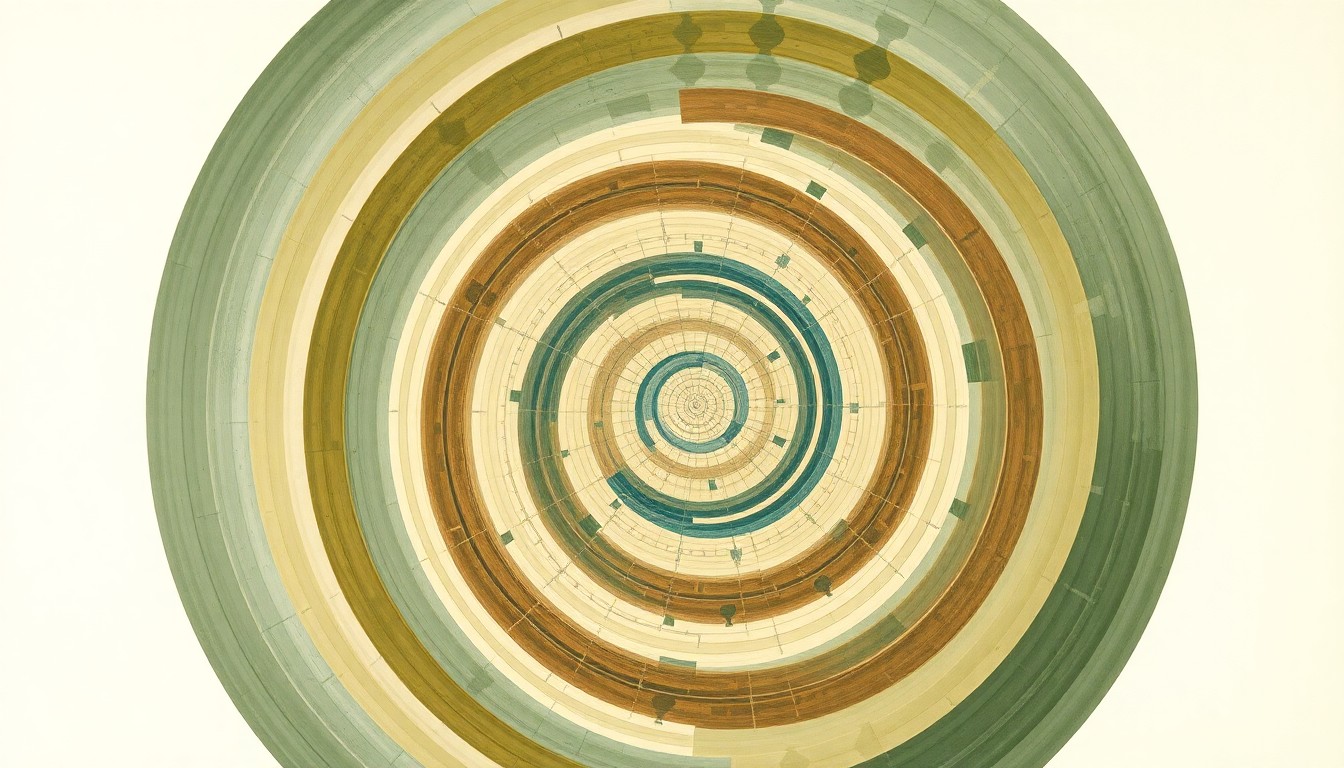 A conceptual illustration of the shared neural code that underlies both visual perception and mental imagery, as revealed by groundbreaking Cedars-Sinai research.Los Angeles Today
A new study led by Cedars-Sinai Health Sciences University investigators has found that the same brain neurons are activated when we imagine something and when we perceive something. The research provides a detailed understanding of the shared mechanism that underlies visual perception and the creation of mental images in the human brain.
Why it matters
The findings provide a biological basis for visual imagination, a process that is critical for creative arts. Further insight into this neural process has the potential to open pathways toward developing new therapies for mental conditions involving uncontrolled vivid imagery, such as post-traumatic stress disorder and obsessive-compulsive disorder.
The details
The study, published in the journal Science, involved 16 adults with epilepsy who had electrodes temporarily implanted in their brains to diagnose their seizures. Researchers recorded the electrical activity of hundreds of individual neurons in each participant's brain as they viewed a series of images of faces and objects, and then later imagined those same images from memory. The researchers found that about 40% of the visually responsive neurons reactivated using the same neural code when the participants imagined the images, thereby recreating the pattern of activity that occurred during the initial viewing of the images.
- The study was published on April 10, 2026.
The players
Ueli Rutishauser
Director of the Center for Neural Science and Medicine and professor of Neurosurgery, Neurology and Biomedical Sciences at Cedars-Sinai Health Sciences University, and the study's joint senior author.
Adam Mamelak
Director of the Functional Neurosurgery Program and professor of Neurosurgery at Cedars-Sinai, and co-author of the study.
Varun Wadia
A postdoctoral scientist in Rutishauser's laboratory and first author of the study.
Doris Y. Tsao
Of the University of California, Berkeley, who is co-senior author on the study and identified the neural code for object recognition in nonhuman primates.
Hermon Gebrehiwet
Program officer at the National Institutes of Health.
What they’re saying
“We generate a mental image of an object that we have seen before by reactivating the brain cells we used to see it in the first place. Our study revealed the code that we use to re-create the images.”
— Ueli Rutishauser, Director of the Center for Neural Science and Medicine and professor of Neurosurgery, Neurology and Biomedical Sciences at Cedars-Sinai Health Sciences University, and the study's joint senior author
“Further insight into this neural process has the potential to open pathways toward developing new therapies for post-traumatic stress disorder, obsessive-compulsive disorder, and other mental conditions that involve uncontrolled vivid imagery.”
— Adam Mamelak, Director of the Functional Neurosurgery Program and professor of Neurosurgery at Cedars-Sinai, and co-author of the study
“Advanced artificial intelligence tools were critical to our investigation at all stages. We used deep visual neural networks to create numerical descriptions of objects so that we could understand the neurons' code. We then verified the code by using generative AI to create never-before-seen images and correctly predict the brain's responses to these images.”
— Varun Wadia, Postdoctoral scientist in Rutishauser's laboratory and first author of the study
“These findings support the idea that imagining and seeing share a common neural code and may have important implications for understanding psychiatric disorders marked by disruptions in mental imagery and reality discrimination.”
— Hermon Gebrehiwet, Program officer at the National Institutes of Health
What’s next
The researchers still need to determine what triggers the neural reactivation they found, and how memories lead to reactivation of just the right subset of neurons needed.
The takeaway
This groundbreaking research provides a biological basis for visual imagination, a critical process for creative arts, and opens new avenues for developing therapies for mental conditions involving uncontrolled vivid imagery.
Los Angeles top stories


Los Angeles events
Apr. 10, 2026
Emeline: Emotional Virgin World Tour 2026

Apr. 10, 2026
LACUNA COIL: Sleepless Empire Tour 2026