- Today
- Holidays
- Birthdays
- Reminders
- Cities
- Atlanta
- Austin
- Baltimore
- Berwyn
- Beverly Hills
- Birmingham
- Boston
- Brooklyn
- Buffalo
- Charlotte
- Chicago
- Cincinnati
- Cleveland
- Columbus
- Dallas
- Denver
- Detroit
- Fort Worth
- Houston
- Indianapolis
- Knoxville
- Las Vegas
- Los Angeles
- Louisville
- Madison
- Memphis
- Miami
- Milwaukee
- Minneapolis
- Nashville
- New Orleans
- New York
- Omaha
- Orlando
- Philadelphia
- Phoenix
- Pittsburgh
- Portland
- Raleigh
- Richmond
- Rutherford
- Sacramento
- Salt Lake City
- San Antonio
- San Diego
- San Francisco
- San Jose
- Seattle
- Tampa
- Tucson
- Washington
MotoGP Tyre Pressure Rules Evolve for 2026 Season
New regulations aim to enhance safety and competition fairness as the sport transitions to Pirelli tires.
Apr. 10, 2026 at 6:20am
Got story updates? Submit your updates here. ›
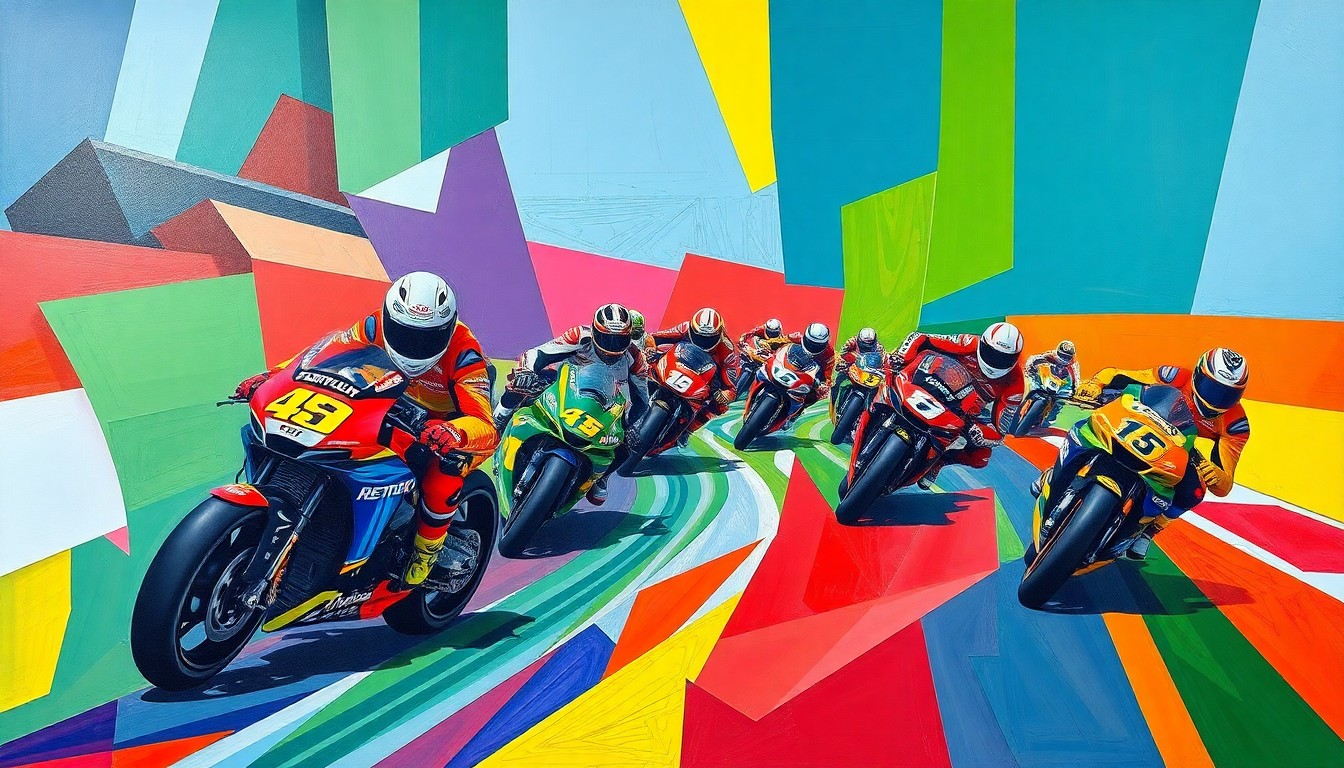 The intricate dance of tyre pressure regulations in MotoGP showcases the sport's technical depth and commitment to fair competition.Los Angeles Today
MotoGP's tyre pressure regulations have undergone significant changes in recent years, with the introduction of real-time monitoring in 2023 marking a pivotal shift. As the sport prepares for the 2026 season and a switch to Pirelli as the exclusive tyre supplier, the intricacies of managing tyre pressure have become an even more critical aspect of competition.
Why it matters
Tyre pressure is a delicate balance that teams must constantly monitor and adjust to account for factors like weather, rider position, and technical advancements. The evolving regulations aim to ensure safety and fairness, as improper tyre pressure can impact performance and pose risks. Understanding these rules provides insight into the technical depth of MotoGP and the challenges faced by teams and riders.
The details
Initially, riders faced penalties for failing to meet minimum pressures for a certain percentage of race laps. The current system, implemented since 2024, offers a balance, with riders facing time penalties for not meeting the minimum pressures for a significant portion of the race. The switch to Pirelli in 2027 is expected to bring new challenges and opportunities, as the Italian tyre manufacturer's willingness to adapt based on data and consensus within the Grand Prix Commission is seen as a promising sign.
- The introduction of real-time tyre pressure monitoring in 2023 marked a significant shift in MotoGP's approach to safety and competition fairness.
- The current system of time penalties for not meeting minimum pressures has been in place since 2024.
- The switch from Michelin to Pirelli as the exclusive tyre supplier is set to take place in 2027.
The players
Michelin
The French tyre manufacturer that has been the exclusive supplier to MotoGP since 2016, with concerns about low tyre pressure leading to the introduction of new regulations.
Pirelli
The Italian tyre manufacturer that will become the exclusive supplier to MotoGP starting in the 2027 season, known for its willingness to adapt based on data and consensus within the Grand Prix Commission.
Grand Prix Commission
The governing body responsible for making decisions and regulations in MotoGP, including the tyre pressure rules.
What they’re saying
“The intricacies of MotoGP tyre pressure rules offer a unique insight into the sport's technical depth. It's a constant battle for teams to find the perfect balance, and the evolution of these rules showcases the sport's commitment to safety and fair competition.”
— Julian Reese, MotoGP Analyst
What’s next
As we move towards 2027, MotoGP is set for even more changes with the switch from Michelin to Pirelli as the exclusive tyre supplier. The tyre pressure debate will undoubtedly continue to spark interesting discussions and strategies as teams and riders adapt to the new regulations and tyre manufacturer.
The takeaway
The evolving tyre pressure rules in MotoGP highlight the sport's commitment to safety and fairness, as teams and riders navigate the delicate balance of managing this critical aspect of competition. The upcoming transition to Pirelli tires presents new challenges and opportunities, ensuring that the technical depth of the sport will remain a focal point for fans and experts alike.
Los Angeles top stories

Los Angeles events

Apr. 13, 2026
Svn Wrestling Presents Death Crue La
Apr. 13, 2026
Celebrating George Martin: The Scores