- Today
- Holidays
- Birthdays
- Reminders
- Cities
- Atlanta
- Austin
- Baltimore
- Berwyn
- Beverly Hills
- Birmingham
- Boston
- Brooklyn
- Buffalo
- Charlotte
- Chicago
- Cincinnati
- Cleveland
- Columbus
- Dallas
- Denver
- Detroit
- Fort Worth
- Houston
- Indianapolis
- Knoxville
- Las Vegas
- Los Angeles
- Louisville
- Madison
- Memphis
- Miami
- Milwaukee
- Minneapolis
- Nashville
- New Orleans
- New York
- Omaha
- Orlando
- Philadelphia
- Phoenix
- Pittsburgh
- Portland
- Raleigh
- Richmond
- Rutherford
- Sacramento
- Salt Lake City
- San Antonio
- San Diego
- San Francisco
- San Jose
- Seattle
- Tampa
- Tucson
- Washington
Terasaki Institute Unveils Smart Lens for Glaucoma Monitoring
New contact lens integrates real-time intraocular pressure tracking and responsive drug delivery.
Apr. 9, 2026 at 4:06am
Got story updates? Submit your updates here. ›
 A smart contact lens that continuously monitors intraocular pressure and triggers targeted drug delivery could revolutionize the management of glaucoma and other eye diseases.Los Angeles Today
Researchers at the Terasaki Institute for Biomedical Innovation in Los Angeles have developed a groundbreaking smart contact lens that continuously monitors intraocular pressure and triggers targeted drug delivery to actively manage conditions like glaucoma. The study, published in Science Translational Medicine, demonstrates the potential of this integrated sensing and treatment platform to improve patient outcomes through precise, responsive care.
Why it matters
Glaucoma is a leading cause of irreversible blindness worldwide, and current treatment methods often require frequent doctor visits and burdensome eye drop regimens. This smart lens technology represents a major advancement that could transform glaucoma management by providing continuous, AI-powered monitoring and automated drug delivery, reducing the treatment burden for patients.
The details
The smart contact lens developed by Dr. Yangzhi Zhu and the Terasaki Institute team integrates sensors to track intraocular pressure in real time, AI algorithms to identify pressure changes, and a drug delivery system that can respond by releasing medication as needed. This closed-loop system aims to provide precise, responsive treatment without the need for frequent eye drops or invasive procedures.
- The study was published in the April 2026 issue of Science Translational Medicine.
- The Terasaki Institute announced the milestone publication on April 8, 2026.
The players
Dr. Yangzhi Zhu
The principal investigator at the Terasaki Institute for Biomedical Innovation who led the development of the smart contact lens technology.
Terasaki Institute for Biomedical Innovation
A Los Angeles-based research institute dedicated to advancing translational biomedical technologies with the potential to improve patient outcomes.
Stewart Han
The president of the Terasaki Institute, who praised the milestone publication as a defining moment for the institute's commitment to impactful, real-world innovation.
What they’re saying
“Our goal was to create a platform that not only monitors disease in real time but also responds to it immediately. By integrating sensing and drug delivery into a single smart contact lens, we are moving toward a more precise and patient-friendly approach to treating ocular conditions. We hope this technology can ultimately improve quality of life for patients by reducing the burden of traditional treatment methods.”
— Dr. Yangzhi Zhu, Principal Investigator, Terasaki Institute
“This milestone publication in Science Translational Medicine represents a defining moment for our institute. Dr. Zhu's work reflects the kind of bold, translational innovation we strive for at Terasaki, where cutting-edge science is not only discovered, but engineered to directly improve patient outcomes. This achievement sets a new standard for what is possible when interdisciplinary research is driven by real-world impact.”
— Stewart Han, President, Terasaki Institute for Biomedical Innovation
What’s next
The Terasaki Institute plans to continue refining the smart lens technology and pursuing clinical trials to evaluate its safety and efficacy in treating glaucoma and other ocular diseases.
The takeaway
This innovative smart contact lens represents a significant advancement in the management of glaucoma and other eye conditions, offering a more precise, responsive, and patient-friendly approach to treatment. By integrating continuous monitoring and closed-loop drug delivery, the Terasaki Institute team has developed a technology that could dramatically improve quality of life for patients and reduce the burden of traditional treatment methods.
Los Angeles top stories



Los Angeles events

Apr. 9, 2026
Testament - Thrash of The Titans
Apr. 9, 2026
KXLU Fundrazor Show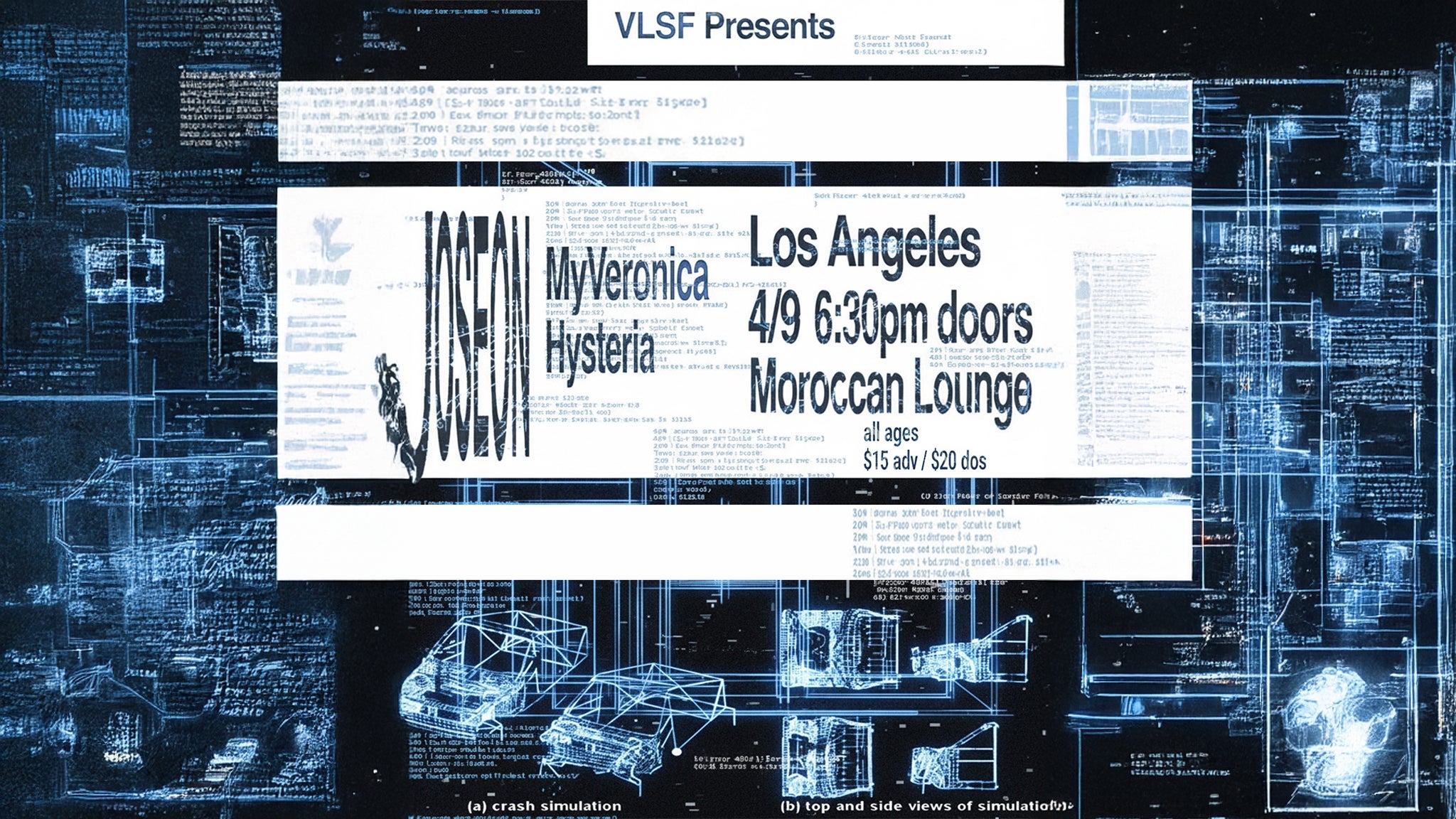
Apr. 9, 2026
VLSF Presents: Joseon with MyVeronica & Hysteria