- Today
- Holidays
- Birthdays
- Reminders
- Cities
- Atlanta
- Austin
- Baltimore
- Berwyn
- Beverly Hills
- Birmingham
- Boston
- Brooklyn
- Buffalo
- Charlotte
- Chicago
- Cincinnati
- Cleveland
- Columbus
- Dallas
- Denver
- Detroit
- Fort Worth
- Houston
- Indianapolis
- Knoxville
- Las Vegas
- Los Angeles
- Louisville
- Madison
- Memphis
- Miami
- Milwaukee
- Minneapolis
- Nashville
- New Orleans
- New York
- Omaha
- Orlando
- Philadelphia
- Phoenix
- Pittsburgh
- Portland
- Raleigh
- Richmond
- Rutherford
- Sacramento
- Salt Lake City
- San Antonio
- San Diego
- San Francisco
- San Jose
- Seattle
- Tampa
- Tucson
- Washington
Pioneering Chicano Studies Scholar Rodolfo Acuña Dies at 93
Acuña founded one of the first and largest Chicano studies programs in the U.S., known for his activism and confrontational style.
Apr. 9, 2026 at 10:23pm
Got story updates? Submit your updates here. ›
 The vibrant life and pioneering work of Chicano studies scholar Rodolfo Acuña left an indelible mark on the field and the lives of his students.Los Angeles Today
Rodolfo F. Acuña, the founder of one of the first and largest Chicano studies programs at an American university and the author of a pioneering history of Mexican Americans, died on March 23 in Los Angeles at the age of 93. Acuña was known for his scholarship as well as his confrontational activism, supporting student protests and criticizing his own university for shortchanging Latino students.
Why it matters
Acuña was a pioneering figure in the field of Chicano studies, helping to establish it as an academic discipline and bringing greater awareness to the history and experiences of Mexican Americans. His work challenged the dominant historical narratives and pushed for greater inclusion and representation of Latino voices in higher education.
The details
Born in East Los Angeles, Acuña earned a Ph.D. in Latin American history from USC in 1968. He was hired by San Fernando Valley State College (now Cal State Northridge) in 1969 as its first professor of Mexican American studies. His 1972 book "Occupied America" is considered a foundational text of Chicano studies, arguing that Mexican Americans in the Southwest remain subject to "internal colonialism." Acuña was known for his confrontational activism, supporting student protests and criticizing his own university for shortchanging Latino students in the curriculum.
- Acuña died in hospice care on March 23, 2026.
- He was hired as the first Mexican American studies professor at San Fernando Valley State College in 1969.
- Acuña's book "Occupied America" was published in 1972.
The players
Rodolfo F. Acuña
The founder of one of the first and largest Chicano studies programs at an American university and the author of the pioneering book "Occupied America." He was known for his confrontational activism in support of Chicano causes.
Guadalupe Compean Acuña
Acuña's wife.
Ramón Eduardo Ruiz
A historian who credited Acuña with "opening the national debate on the Chicano experience."
Julius Zelmanowitz
The associate vice chancellor at UC Santa Barbara, who Acuña had allegedly assailed for driving a "Nazi staff car."
Francisco Acuña
Acuña's father, who was a costume designer for entertainers.
The takeaway
Acuña's life and work exemplified the vital role of Chicano studies in challenging dominant historical narratives and pushing for greater inclusion and representation of Latino voices in higher education. His confrontational activism and pioneering scholarship left a lasting impact on the field.
Los Angeles top stories


Los Angeles events
Apr. 9, 2026
Testament - Thrash of The Titans
Apr. 9, 2026
KXLU Fundrazor Show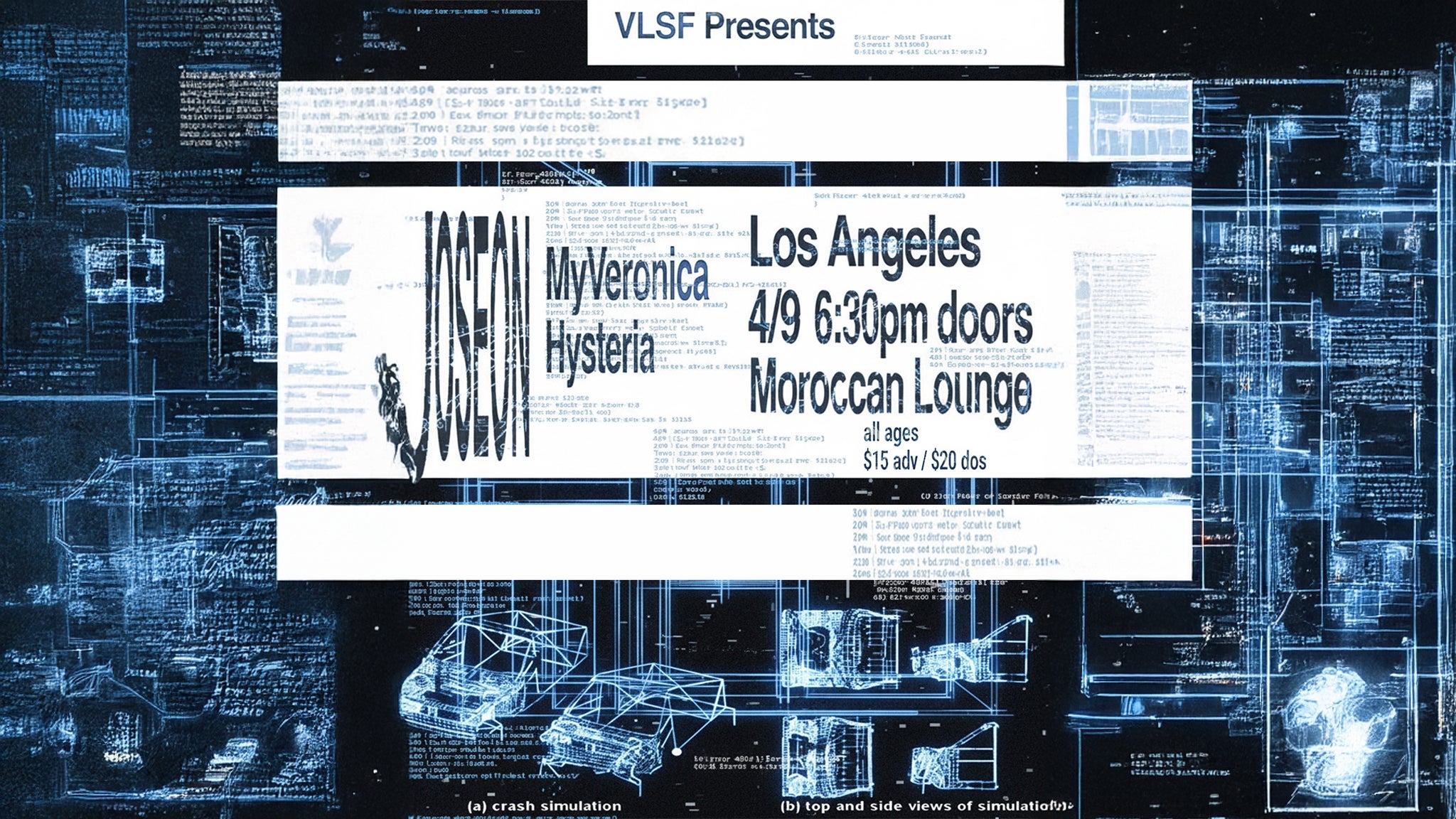
Apr. 9, 2026
VLSF Presents: Joseon with MyVeronica & Hysteria