- Today
- Holidays
- Birthdays
- Reminders
- Cities
- Atlanta
- Austin
- Baltimore
- Berwyn
- Beverly Hills
- Birmingham
- Boston
- Brooklyn
- Buffalo
- Charlotte
- Chicago
- Cincinnati
- Cleveland
- Columbus
- Dallas
- Denver
- Detroit
- Fort Worth
- Houston
- Indianapolis
- Knoxville
- Las Vegas
- Los Angeles
- Louisville
- Madison
- Memphis
- Miami
- Milwaukee
- Minneapolis
- Nashville
- New Orleans
- New York
- Omaha
- Orlando
- Philadelphia
- Phoenix
- Pittsburgh
- Portland
- Raleigh
- Richmond
- Rutherford
- Sacramento
- Salt Lake City
- San Antonio
- San Diego
- San Francisco
- San Jose
- Seattle
- Tampa
- Tucson
- Washington
Hormone Hype: The Limits of 'Hormone Balancing' Cures
As trust in doctors declines, wellness influencers push dubious 'hormone imbalance' treatments, raising concerns about safety and efficacy.
Apr. 9, 2026 at 7:34pm
Got story updates? Submit your updates here. ›
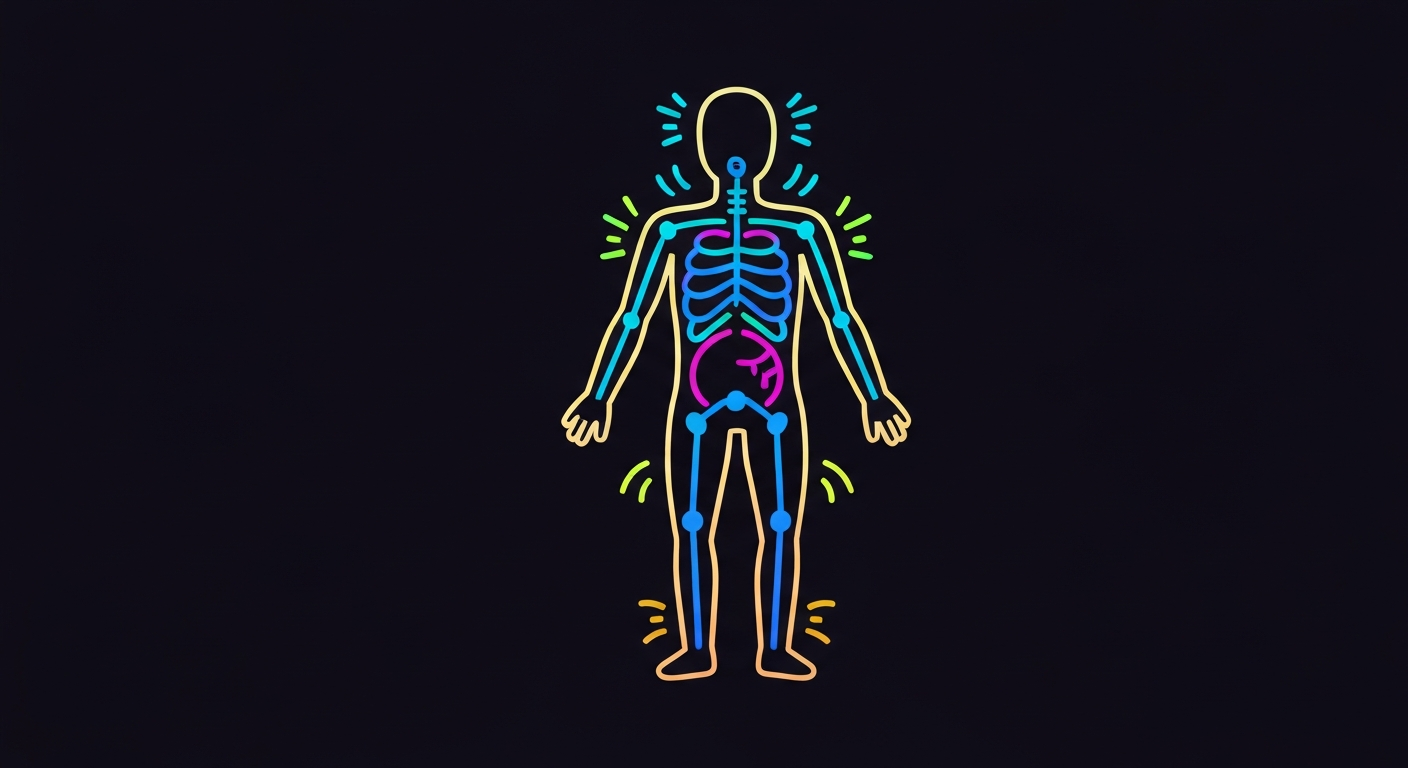 As the wellness industry capitalizes on fears about 'hormone imbalance,' experts caution that the solutions are often more complex than a quick fix.Los Angeles Today
The concept of 'hormone imbalance' has become a popular wellness trend on social media, with influencers and alternative practitioners promising cures through supplements, diets, and other treatments. However, experts warn that the term is often misused, and that one-time hormone tests provide little useful information, as hormone levels naturally fluctuate. While some targeted hormone therapies can be helpful, the supplement industry is largely unregulated, raising concerns about safety and efficacy. The trend highlights the erosion of trust in traditional medicine, as patients seek more personalized and alternative solutions.
Why it matters
The surge in 'hormone imbalance' rhetoric reflects broader societal shifts, including declining trust in doctors, the rise of wellness influencers, and a growing demand for more personalized healthcare. This trend has created a lucrative market for dubious treatments, while potentially putting people's health at risk through unregulated supplements and misinformation. Understanding the limitations of hormone testing and the complexities of hormonal health is crucial for consumers to make informed decisions about their wellbeing.
The details
The 'hormone imbalance' narrative has proliferated on social media, with influencers promoting supplements, diets, and other treatments to 'balance' hormones like cortisol and estrogen. However, experts say the term is often misused, as hormone levels naturally fluctuate and there is no single 'balanced' state. One-time hormone tests provide little useful information, as levels can vary dramatically. While targeted hormone therapies can be helpful in certain cases, the supplement industry is largely unregulated, raising concerns about safety and efficacy. Symptoms are often a better way to diagnose hormonal issues than lab tests, but this has led some patients to self-diagnose and seek alternative treatments outside the traditional medical system.
- Google searches about cortisol have quintupled since 2022.
- In 2025, Americans spent almost $69 billion on supplements, according to market-research firm Grand View Research.
The players
Lauren Streicher
A physician and clinical professor of obstetrics and gynecology at Northwestern University Feinberg School of Medicine.
Rajita Patil
An obstetrician and gynecologist and the founder and director of the Comprehensive Menopause Program at UCLA.
Shereene Idriss
A dermatologist and the founder of Idriss Dermatology in New York City.
Arti Thangudu
A San Antonio–based endocrinologist.
Mollie Casserly
A 38-year-old Floridian who has turned to social media and supplements to address her health concerns after losing trust in the traditional medical system.
What they’re saying
“It's tricky, it's confusing, and I don't blame these women for landing in the laps of these people who are just out to make money.”
— Lauren Streicher, Physician and clinical professor of obstetrics and gynecology
“Hormone imbalance' itself is a 'made-up term.' Hormones are not static, and they fluctuate across the menstrual cycle. They shift dramatically during perimenopause and menopause. And so there is not one single balance level that we're trying to aim for.”
— Rajita Patil, Obstetrician and gynecologist, founder and director of the Comprehensive Menopause Program at UCLA
“'Cortisol face' became more like a catch-all explanation for facial puffiness, acne, hair shedding, and fatigue because social media just loves to label things.”
— Shereene Idriss, Dermatologist, founder of Idriss Dermatology
“It's all marketing.”
— Arti Thangudu, Endocrinologist
“In the traditional insurance-based system, patients getting five minutes with their doctor to go over complex diseases is ludicrous. Of course patients are going to look for alternative solutions. It's really hard to be a patient.”
— Arti Thangudu, Endocrinologist
What’s next
Experts suggest that more comprehensive menopause education for healthcare providers, as well as increased access to personalized and holistic care, could help address the growing demand for alternative hormone treatments. Regulating the supplement industry and promoting evidence-based information about hormonal health could also empower consumers to make informed decisions.
The takeaway
The surge in 'hormone imbalance' rhetoric highlights the complex interplay between societal trust, personal experiences, and the wellness industry. While hormones play a crucial role in our health, the oversimplification and commercialization of this topic can lead to dangerous misinformation and unproven treatments. Balancing the need for personalized care with the importance of evidence-based medicine is crucial for addressing the root causes of this trend and ensuring people's wellbeing.
Los Angeles top stories


Los Angeles events

Apr. 9, 2026
Testament - Thrash of The Titans
Apr. 9, 2026
KXLU Fundrazor Show
Apr. 9, 2026
VLSF Presents: Joseon with MyVeronica & Hysteria