- Today
- Holidays
- Birthdays
- Reminders
- Cities
- Atlanta
- Austin
- Baltimore
- Berwyn
- Beverly Hills
- Birmingham
- Boston
- Brooklyn
- Buffalo
- Charlotte
- Chicago
- Cincinnati
- Cleveland
- Columbus
- Dallas
- Denver
- Detroit
- Fort Worth
- Houston
- Indianapolis
- Knoxville
- Las Vegas
- Los Angeles
- Louisville
- Madison
- Memphis
- Miami
- Milwaukee
- Minneapolis
- Nashville
- New Orleans
- New York
- Omaha
- Orlando
- Philadelphia
- Phoenix
- Pittsburgh
- Portland
- Raleigh
- Richmond
- Rutherford
- Sacramento
- Salt Lake City
- San Antonio
- San Diego
- San Francisco
- San Jose
- Seattle
- Tampa
- Tucson
- Washington
Extreme Heat Plagues LA's Underserved Public Parks
Satellite data reveals dangerous temperature disparities in urban green spaces.
Apr. 8, 2026 at 10:32pm
Got story updates? Submit your updates here. ›
 Satellite data reveals dangerous temperature gaps between parks in wealthy and underserved LA neighborhoods.Los Angeles Today
A new study has found that public parks in underserved areas of Los Angeles can reach dangerously high temperatures, in some cases hot enough to cause pain or burns, due to the heat-trapping materials used to construct them. The differences in park temperatures stem largely from what the parks are made of, with parks in wealthier neighborhoods tending to have more cooling vegetation and shade.
Why it matters
Parks are often thought of as cooling refuges during extreme heat, but this research shows that access to these vital public spaces is unequal, with lower-income communities bearing the brunt of dangerous heat exposure. This highlights broader issues of environmental justice and the need to ensure equitable access to green infrastructure across all neighborhoods.
The details
The study utilized satellite data to map surface temperatures across LA's public parks, finding that parks in underserved areas can reach temperatures up to 20°F hotter than parks in wealthier neighborhoods. This is largely due to the prevalence of heat-absorbing materials like asphalt and concrete in parks serving marginalized communities, versus the cooling effects of vegetation, trees, and shade structures in more affluent areas.
- The study was conducted in 2026 and analyzed data from that year.
The players
Los Angeles
The city where the study on urban heat and public parks was conducted.
The takeaway
This study highlights the urgent need to address environmental inequities in urban design, ensuring that all communities have access to well-shaded, vegetated public parks that can provide relief from extreme heat, regardless of neighborhood income levels.
Los Angeles top stories


Los Angeles events

Apr. 9, 2026
Testament - Thrash of The Titans
Apr. 9, 2026
KXLU Fundrazor Show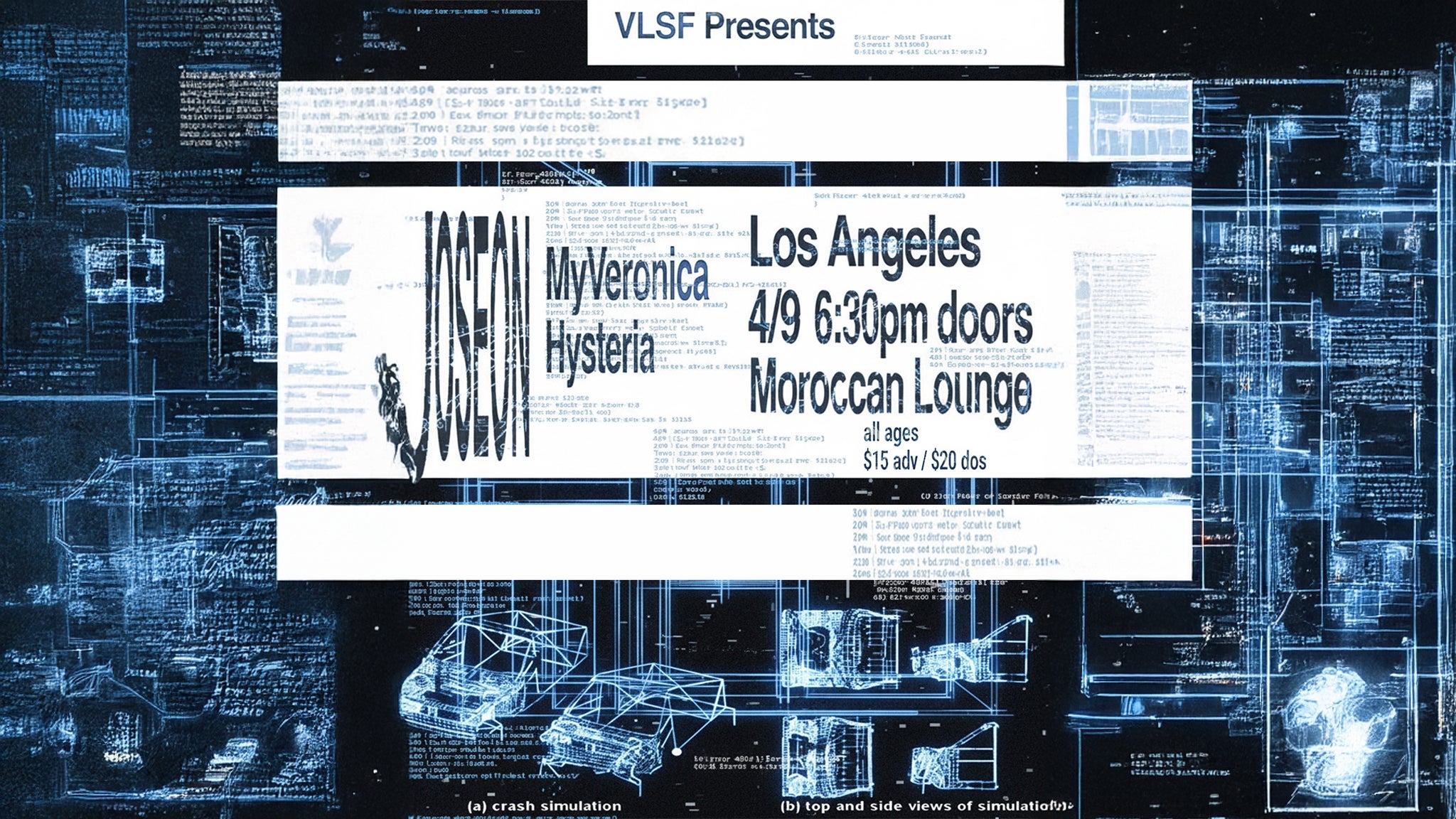
Apr. 9, 2026
VLSF Presents: Joseon with MyVeronica & Hysteria