- Today
- Holidays
- Birthdays
- Reminders
- Cities
- Atlanta
- Austin
- Baltimore
- Berwyn
- Beverly Hills
- Birmingham
- Boston
- Brooklyn
- Buffalo
- Charlotte
- Chicago
- Cincinnati
- Cleveland
- Columbus
- Dallas
- Denver
- Detroit
- Fort Worth
- Houston
- Indianapolis
- Knoxville
- Las Vegas
- Los Angeles
- Louisville
- Madison
- Memphis
- Miami
- Milwaukee
- Minneapolis
- Nashville
- New Orleans
- New York
- Omaha
- Orlando
- Philadelphia
- Phoenix
- Pittsburgh
- Portland
- Raleigh
- Richmond
- Rutherford
- Sacramento
- Salt Lake City
- San Antonio
- San Diego
- San Francisco
- San Jose
- Seattle
- Tampa
- Tucson
- Washington
California's High-Speed Rail Remains Stalled Despite Continued Funding
The state's ambitious bullet train project has faced massive cost overruns and delays, but lawmakers continue to pour billions into the troubled endeavor.
Apr. 8, 2026 at 9:20pm
Got story updates? Submit your updates here. ›
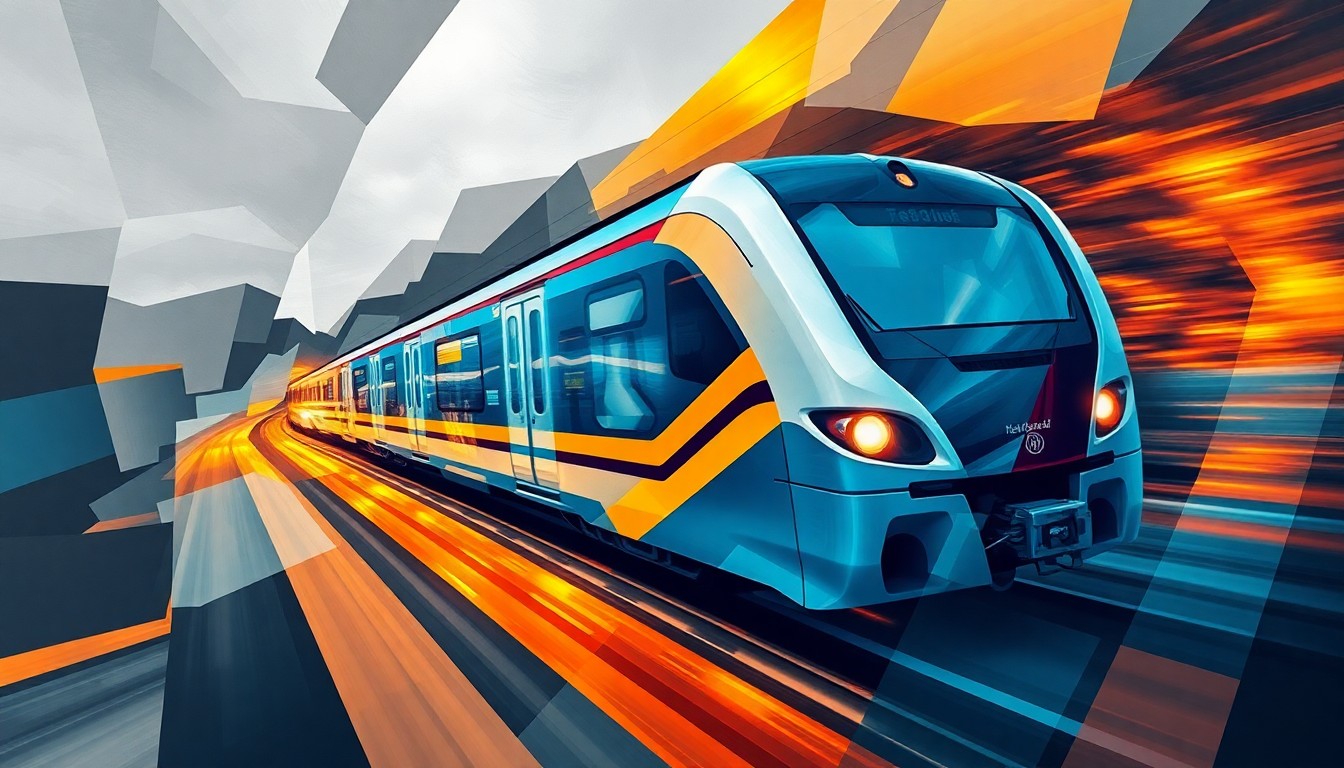 The California high-speed rail project has become a symbol of government waste, with costs spiraling out of control and little progress to show for over a decade of work.Los Angeles Today
California's high-speed rail project, first approved by voters in 2008 with a $33 billion price tag and a 2020 completion date, has now ballooned to an estimated $126 billion and has yet to lay a single mile of track. Despite the project's repeated failures, the state legislature and Governor Gavin Newsom have continued to allocate billions in funding, drawing criticism from lawmakers and experts who view the endeavor as a costly boondoggle.
Why it matters
The California high-speed rail project has become a symbol of government waste and mismanagement, with the state pouring billions into a project that has consistently missed deadlines and exceeded initial cost projections. The continued funding of the project, even in the face of these failures, raises questions about the influence of special interests and the willingness of politicians to prioritize their own political agendas over fiscal responsibility.
The details
The high-speed rail project was initially envisioned to connect Los Angeles and San Francisco in under three hours, but it has faced numerous setbacks. In 2019, Newsom scaled back the project, but has continued to fight for federal funding and sue the Trump administration to keep the money flowing. Despite the project's failures, the state legislature passed a $20 billion investment in the project last fall, with $1 billion in annual allocations, which the project's supporters claim is a 'gamechanger'.
- The high-speed rail project was first approved by California voters in 2008.
- The project was originally slated for completion in 2020 with a $33 billion price tag.
- As of 2026, no track has been laid and the projected cost has ballooned to $126 billion.
- In 2019, Newsom scaled back the project but has continued to fight for federal funding.
- The state legislature passed a $20 billion investment in the project last fall.
The players
Gavin Newsom
The current governor of California who has continued to support the high-speed rail project despite its failures.
Vince Fong
A Republican member of the House Transportation Committee who has criticized the high-speed rail project as an example of government waste and mismanagement.
Ray LaHood
The former transportation secretary under President Barack Obama who is now the co-chair of the U.S. High Speed Rail Commission and believes the recent $20 billion investment is a 'gamechanger' for the project.
What they’re saying
“I think that the California High-Speed Rail nightmare is the probably quintessential example of government waste and mismanagement.”
— Vince Fong, Republican member of the House Transportation Committee
“Trump's termination of federal grants for California high-speed rail reeks of politics. It's yet another political stunt to punish California.”
— Gavin Newsom, Governor of California
“What's new is that the California State Legislature and Governor Gavin Newsom passed a $20 billion investment in the project last fall. This steady, long-term funding—delivered in $1 billion a year allocations—is a gamechanger.”
— Ray LaHood, Co-chair of the U.S. High Speed Rail Commission
What’s next
The judge in the case will decide on Tuesday whether or not to allow Walker Reed Quinn out on bail.
The takeaway
This case highlights growing concerns in the community about repeat offenders released on bail, raising questions about bail reform, public safety on SF streets, and if any special laws to govern autonomous vehicles in residential and commercial areas.
Los Angeles top stories


Los Angeles events

Apr. 10, 2026
Emeline: Emotional Virgin World Tour 2026

Apr. 10, 2026
LACUNA COIL: Sleepless Empire Tour 2026