- Today
- Holidays
- Birthdays
- Reminders
- Cities
- Atlanta
- Austin
- Baltimore
- Berwyn
- Beverly Hills
- Birmingham
- Boston
- Brooklyn
- Buffalo
- Charlotte
- Chicago
- Cincinnati
- Cleveland
- Columbus
- Dallas
- Denver
- Detroit
- Fort Worth
- Houston
- Indianapolis
- Knoxville
- Las Vegas
- Los Angeles
- Louisville
- Madison
- Memphis
- Miami
- Milwaukee
- Minneapolis
- Nashville
- New Orleans
- New York
- Omaha
- Orlando
- Philadelphia
- Phoenix
- Pittsburgh
- Portland
- Raleigh
- Richmond
- Rutherford
- Sacramento
- Salt Lake City
- San Antonio
- San Diego
- San Francisco
- San Jose
- Seattle
- Tampa
- Tucson
- Washington
Clergy Leaders Call for Resignation of First Assistant U.S. Attorney in SoCal
Reverends, rabbis, and priests demand Bilal Essayli step down from his role overseeing federal prosecutions in the region.
Apr. 7, 2026 at 12:36am
Got story updates? Submit your updates here. ›
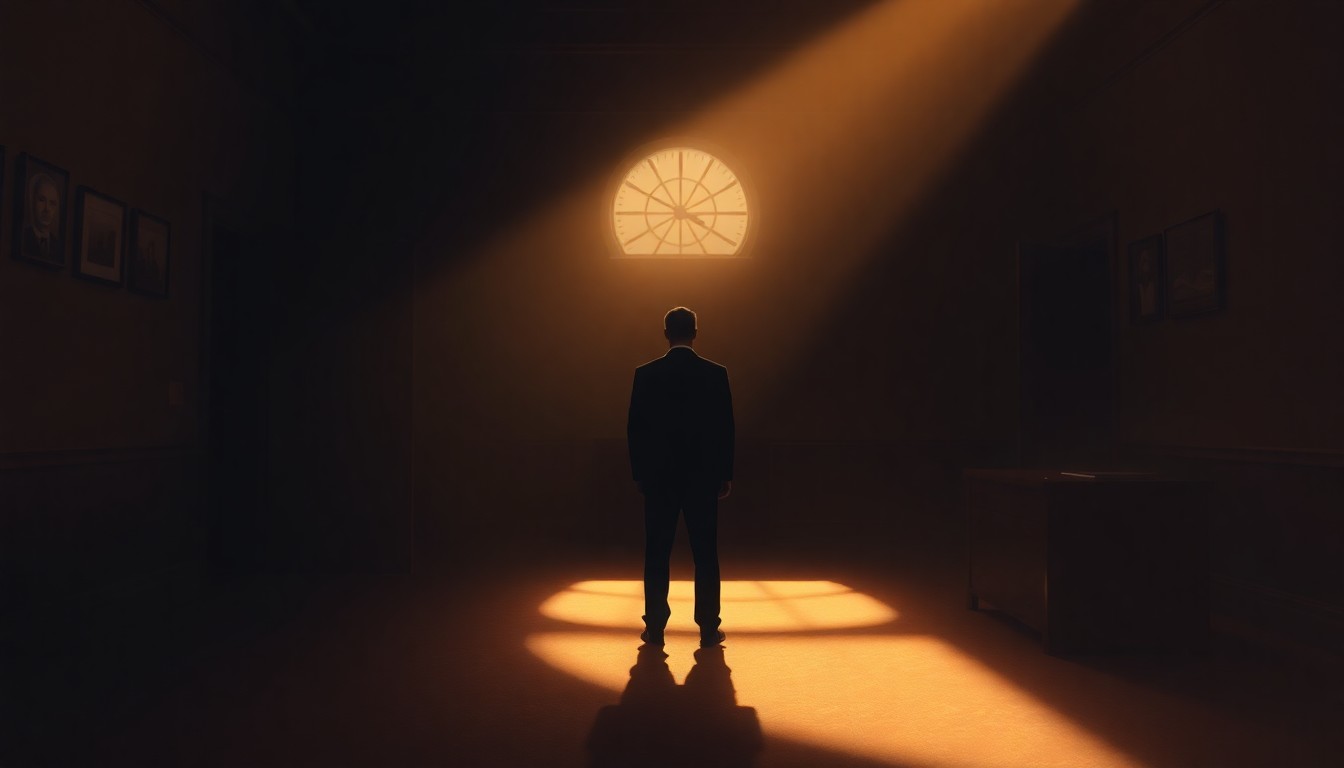 As tensions rise between federal prosecutors and local faith leaders, the fate of the First Assistant U.S. Attorney hangs in the balance, exposing deeper divides within the community.Los Angeles Today
A group of religious leaders in Southern California have written a letter to the First Assistant U.S. Attorney for the Central District, Bilal Essayli, calling on him to resign from his position. The clergy members, including reverends, rabbis, and priests, hand-delivered the three-page letter to Essayli's office in downtown Los Angeles, citing concerns about his leadership and his approach to federal prosecutions.
Why it matters
The letter from the clergy leaders represents growing tensions between the religious community and the U.S. Attorney's office in the region. The group is challenging Essayli's authority and his handling of federal cases, which they believe is not aligned with their values and the needs of the community.
The details
In the letter, the clergy members prayed for Essayli to 'have a change of heart' and 'turn back toward what his true purpose is, which is to serve the people.' Essayli responded on X, defending his actions and stating that the President has the authority to appoint officials in the executive branch, not the party that lost the election. Republican National Executive Committee Member Shawn Steel praised Essayli, calling him a 'gift to all Americans' and saying he was brought in to 'go after violent criminals' and make the streets safer.
- The letter was hand-delivered to Essayli's office in downtown Los Angeles on April 7, 2026.
The players
Bilal Essayli
The First Assistant U.S. Attorney for the Central District of California, who is being called on to resign by the group of clergy leaders.
Rev. Tanya Lopez
A reverend with Downey Memorial Christian Church who prayed and called for Essayli's resignation outside the U.S. Courthouse in Los Angeles.
Shawn Steel
A Republican National Executive Committee Member who praised Essayli's work and said he was brought in to 'go after violent criminals' and make the streets safer.
What they’re saying
“'Calling for Mr. Essayli to resign, to have a change of heart, to have his own resurrection experience of turning back toward what his true purpose is, which is to serve the people, which is to be about the law that protects our democracy.'”
— Rev. Tanya Lopez, Reverend, Downey Memorial Christian Church
“'The President won the election and gets to decide who serves in the executive branch, not the party that lost. That's how democracy works, Father. A federal judge ruled that I'm lawfully serving as the First Assistant. We treat everyone equally. We charge anyone who violates federal law without consideration of race.'”
— Bilal Essayli, First Assistant U.S. Attorney, Central District of California
“'Essayli is a gift to all Americans, particularly in the Los Angeles region. He was brought in for a purpose of redesigning the way the U.S. Attorney's office works to go after violent criminals, go after the kinds of people that make our streets very unsafe.'”
— Shawn Steel, Republican National Executive Committee Member
What’s next
The clergy leaders have vowed to continue their campaign to pressure Essayli to resign, with plans to organize more public demonstrations and outreach to the community.
The takeaway
This conflict highlights the ongoing tensions between the religious community and the federal government in Southern California, as well as the broader debate over the role of the U.S. Attorney's office and its approach to prosecutions. The outcome of this standoff could have significant implications for the region's political and social landscape.
Los Angeles top stories



Los Angeles events
Apr. 7, 2026
Monty Python's Spamalot (Touring)
Apr. 7, 2026
Los Angeles Lakers vs. Oklahoma City Thunder
Apr. 7, 2026
Dark Tranquillity & Soen