- Today
- Holidays
- Birthdays
- Reminders
- Cities
- Atlanta
- Austin
- Baltimore
- Berwyn
- Beverly Hills
- Birmingham
- Boston
- Brooklyn
- Buffalo
- Charlotte
- Chicago
- Cincinnati
- Cleveland
- Columbus
- Dallas
- Denver
- Detroit
- Fort Worth
- Houston
- Indianapolis
- Knoxville
- Las Vegas
- Los Angeles
- Louisville
- Madison
- Memphis
- Miami
- Milwaukee
- Minneapolis
- Nashville
- New Orleans
- New York
- Omaha
- Orlando
- Philadelphia
- Phoenix
- Pittsburgh
- Portland
- Raleigh
- Richmond
- Rutherford
- Sacramento
- Salt Lake City
- San Antonio
- San Diego
- San Francisco
- San Jose
- Seattle
- Tampa
- Tucson
- Washington
Scientists Turbocharge Immune Cells Against Prostate Cancer
UCLA and Stanford researchers engineer supercharged T cells to better target prostate tumors
Mar. 20, 2026 at 5:18am
Got story updates? Submit your updates here. ›
Researchers from UCLA, Stanford Medicine, the University of Utah, and Columbia University have engineered a new class of supercharged T cells that are stronger, longer-lasting, and more precise at killing prostate cancer cells. By introducing a natural "catch bond" interaction, the team was able to fine-tune how the T cells physically engage with tumor cells, allowing them to recognize the cancer, stay attached longer, and deliver a more powerful and targeted immune response without damaging healthy tissue.
Why it matters
T cells are a powerful weapon in the fight against cancer, but many of the proteins they target on cancer cells are also found in healthy tissue. This means the immune system often eliminates the strongest cancer-fighting T cells during development, leaving behind weaker cells that may struggle to recognize and destroy tumors. This research represents an important step toward developing safer, more effective T cell therapies for prostate cancer and potentially other types of cancer.
The details
The researchers focused on engineering T cell receptors (TCRs) to recognize a common prostate cancer protein called prostatic acid phosphatase (PAP). They identified a naturally weak TCR, known as TCR156, that could detect PAP but was not strong enough to effectively kill cancer cells. Using a technique called catch bond engineering, the team was able to "turbocharge" the T cells by altering just one or two amino acids in the TCR. This strengthened the mechanical bonds between the T cells and tumor cells, allowing the T cells to sense and respond to the threat more effectively.
- The study was published on March 20, 2026.
The players
K. Christopher Garcia
The Younger Family Professor and Professor of Structural Biology at the Stanford School of Medicine and a Howard Hughes Medical Institute (HHMI) investigator.
Owen N. Witte
Holds the Presidential Chair in Developmental Immunology in the Department of Microbiology, Immunology, and Molecular Genetics and is a member of the UCLA Health Jonsson Comprehensive Cancer Center (JCCC).
Xiaojing Tina Chen
A postdoctoral scholar in the Department of Molecular and Cellular Physiology at the Stanford School of Medicine and a recipient of the Walter Benjamin Fellowship awarded by the German Research Foundation (Deutsche Forschungsgemeinschaft).
Zhiyuan Mao
A postdoctoral scholar in the Department of Microbiology, Immunology & Molecular Genetics and the Department of Molecular and Medical Pharmacology at the David Geffen School of Medicine at UCLA. Mao is also a recipient of the UCLA JCCC Postdoctoral Fellowship, the Prostate Cancer Foundation (PCF) Young Investigator Award, and a Cancer Research Institute (CRI) Irvington Postdoctoral Fellowship.
Brian D. Evavold
From the University of Utah School of Medicine.
What they’re saying
“Using advanced structural studies at atomic resolution, we were able to demonstrate how a tiny change, just one amino acid in the interface between a T cell receptor and a prostate cancer protein called PAP, can extend the bond lifetime, dramatically boosting the T cell's ability to kill tumors in living models.”
— Xiaojing Tina Chen, Postdoctoral scholar
“This work shows that tumor control can be linked to a single molecular bond.”
— Zhiyuan Mao, Postdoctoral scholar
“These findings suggest that catch bond engineering could be a generalizable strategy to enhance T cell therapies for many cancers.”
— K. Christopher Garcia, Professor of Structural Biology
“By creating T cells that are stronger, longer-lasting, and highly precise, the approach moves the field closer to safer and more effective adoptive cell therapies for patients.”
— Owen N. Witte, Professor
What’s next
The researchers plan to continue testing the engineered T cells in additional preclinical models and work towards clinical trials to evaluate their safety and efficacy in prostate cancer patients.
The takeaway
This innovative approach to engineering T cell receptors demonstrates the potential to create more powerful and targeted cancer immunotherapies that can overcome the limitations of current treatments. By fine-tuning the physical interactions between T cells and tumor cells, the researchers have found a way to boost the cancer-killing abilities of the immune system while avoiding damage to healthy tissue.
Los Angeles top stories



Los Angeles events
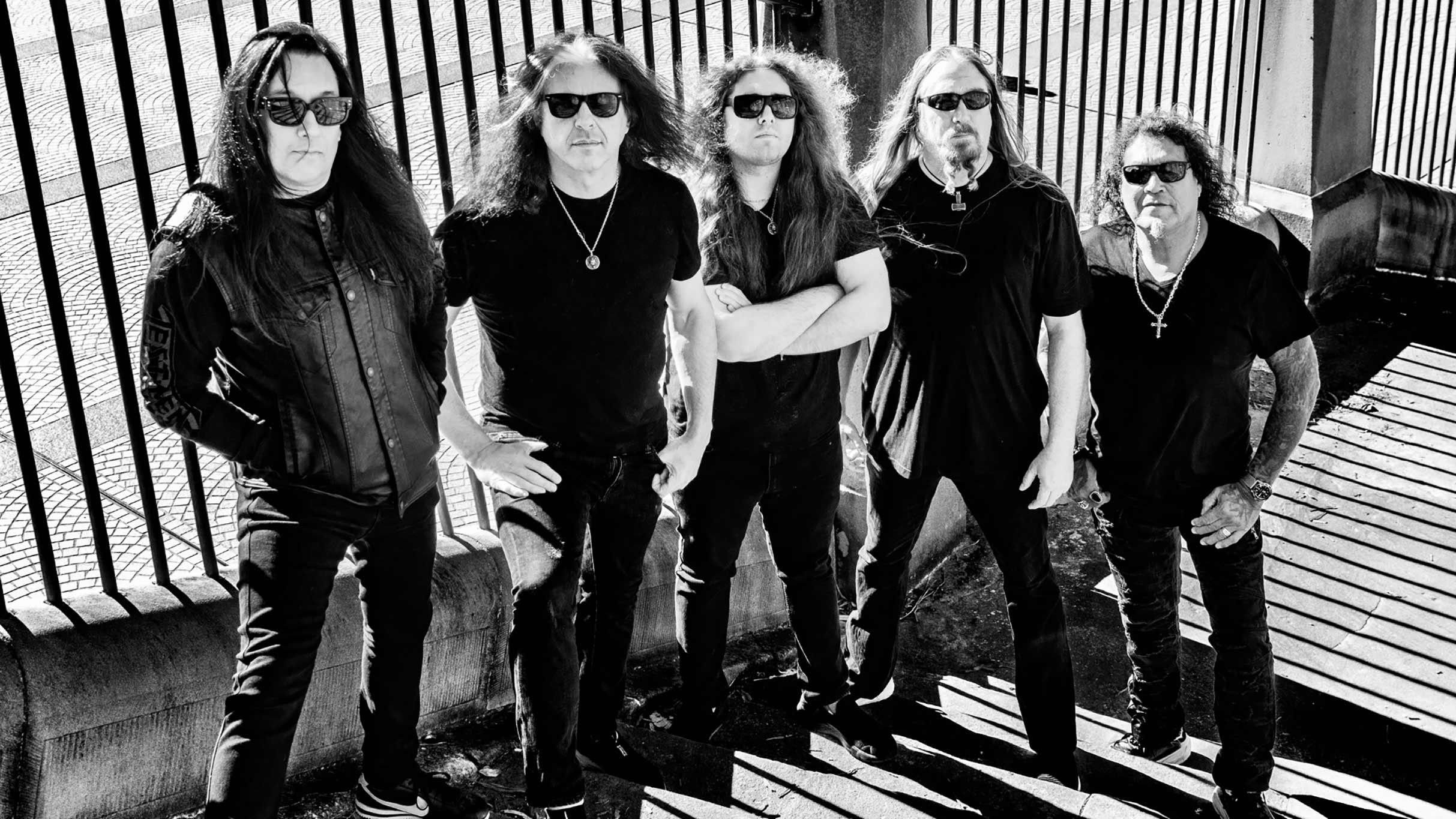
Apr. 9, 2026
Testament - Thrash of The Titans
Apr. 9, 2026
KXLU Fundrazor Show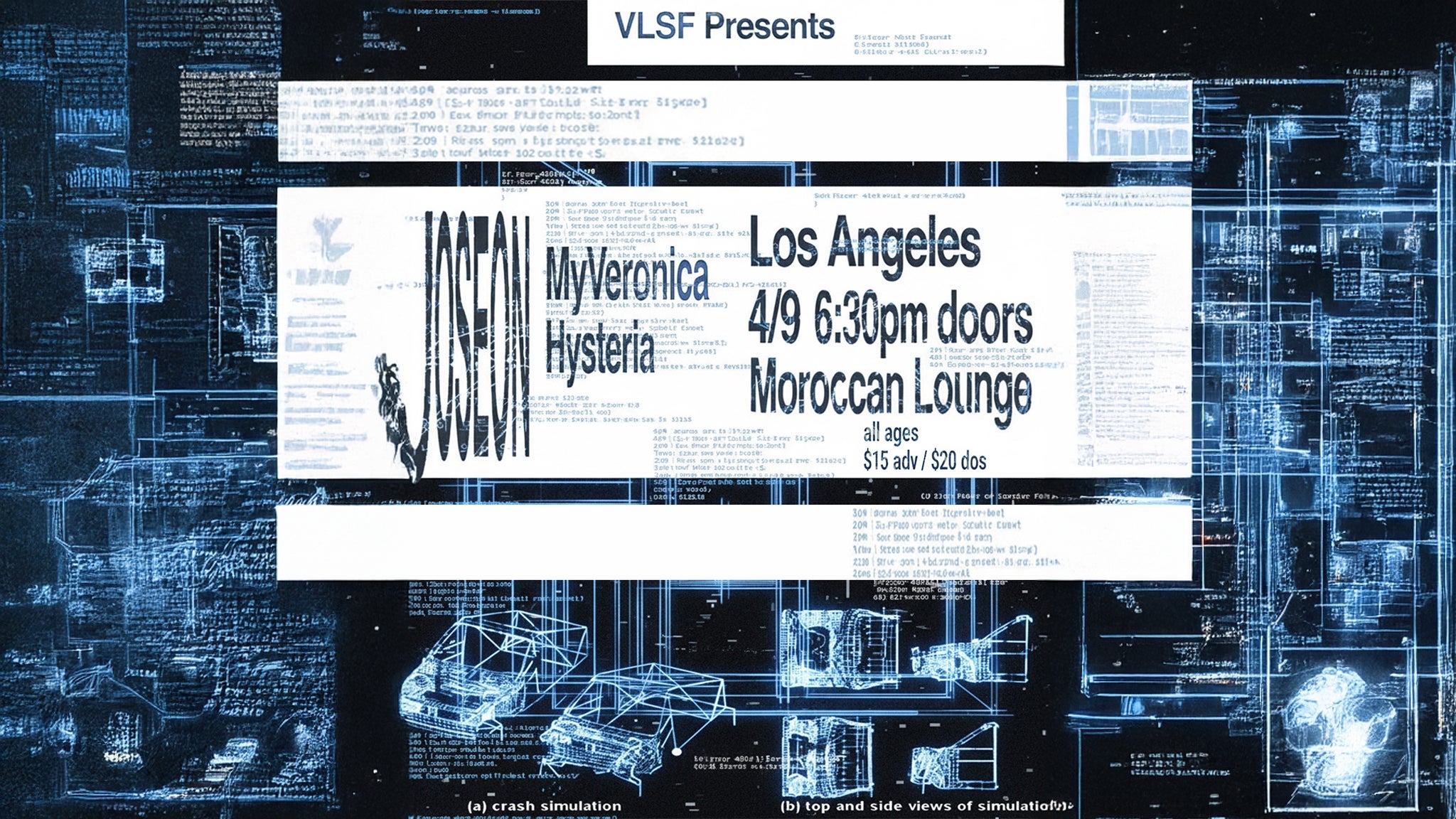
Apr. 9, 2026
VLSF Presents: Joseon with MyVeronica & Hysteria