- Today
- Holidays
- Birthdays
- Reminders
- Cities
- Atlanta
- Austin
- Baltimore
- Berwyn
- Beverly Hills
- Birmingham
- Boston
- Brooklyn
- Buffalo
- Charlotte
- Chicago
- Cincinnati
- Cleveland
- Columbus
- Dallas
- Denver
- Detroit
- Fort Worth
- Houston
- Indianapolis
- Knoxville
- Las Vegas
- Los Angeles
- Louisville
- Madison
- Memphis
- Miami
- Milwaukee
- Minneapolis
- Nashville
- New Orleans
- New York
- Omaha
- Orlando
- Philadelphia
- Phoenix
- Pittsburgh
- Portland
- Raleigh
- Richmond
- Rutherford
- Sacramento
- Salt Lake City
- San Antonio
- San Diego
- San Francisco
- San Jose
- Seattle
- Tampa
- Tucson
- Washington
10 Movie Masterpieces That Are Even More Relevant Today
From All the President's Men to Network, these classic movie gems are truly timeless, and their messages feel more relevant and powerful than ever.
Mar. 12, 2026 at 9:19pm
Got story updates? Submit your updates here. ›
This article highlights 10 classic movies that have become even more relevant in today's landscape. The films, ranging from The Graduate to 12 Angry Men, grapple with themes such as surveillance, media manipulation, political corruption, and the uneasy relationship between technology and humanity. The article argues that these timeless masterpieces continue to resonate decades later, serving as foundational works that expose the pressures and contradictions that societies often prefer to ignore.
Why it matters
As the world continues to grapple with issues like privacy, misinformation, and the influence of power structures, these classic films provide a diagnostic tool, offering insights that feel increasingly urgent. The article suggests that by revisiting these cinematic gems, audiences can better understand the modern landscape and the timeless human experiences that underpin it.
The details
The article delves into the enduring relevance of 10 iconic films, including The Graduate, The Battle of Algiers, 2001: A Space Odyssey, The Conversation, Chinatown, The Great Dictator, Dr. Strangelove, All the President's Men, Network, and 12 Angry Men. Each film is analyzed for its ability to capture the anxieties and contradictions of its time, while also resonating with contemporary concerns. For example, The Graduate's exploration of generational disconnection and aimlessness is said to feel freshly recognizable for young people today, while The Conversation's examination of surveillance and the instability of interpretation anticipates modern debates about privacy and data collection.
- The Graduate was released in 1967.
- The Battle of Algiers was released in 1966.
- 2001: A Space Odyssey was released in 1968.
- The Conversation was released in 1974.
- Chinatown was released in 1974.
The players
Mike Nichols
The director of The Graduate, who turned the film's setup into a portrait of generational disconnection.
Gillo Pontecorvo
The director of The Battle of Algiers, who used a documentary-like style to chronicle the Algerian struggle for independence from French colonial rule.
Stanley Kubrick
The director of 2001: A Space Odyssey, whose masterpiece charts the course of human evolution and explores the uneasy relationship between humanity and technology.
Francis Ford Coppola
The director of The Conversation, which presents surveillance not as a mere plot device but as a real psychological burden.
Roman Polanski
The director of Chinatown, whose film uses detective fiction as a lens for examining institutional corruption.
What they’re saying
“I'm sorry, Dave. I'm afraid I can't do that.”
— HAL 9000, Sentient Computer
“I don't care what they're talking about. All I want is a nice, fat recording.”
— Harry Caul, Surveillance Expert
“You may think you know what you're dealing with, but believe me, you don't.”
— Jake Gittes, Private Investigator
The takeaway
These classic films continue to resonate with audiences today, serving as timeless works that expose the enduring human experiences and societal pressures that shape our world. By revisiting these cinematic masterpieces, we can gain a deeper understanding of the modern landscape and the timeless themes that underpin the human condition.
Los Angeles top stories



Los Angeles events
Mar. 29, 2026
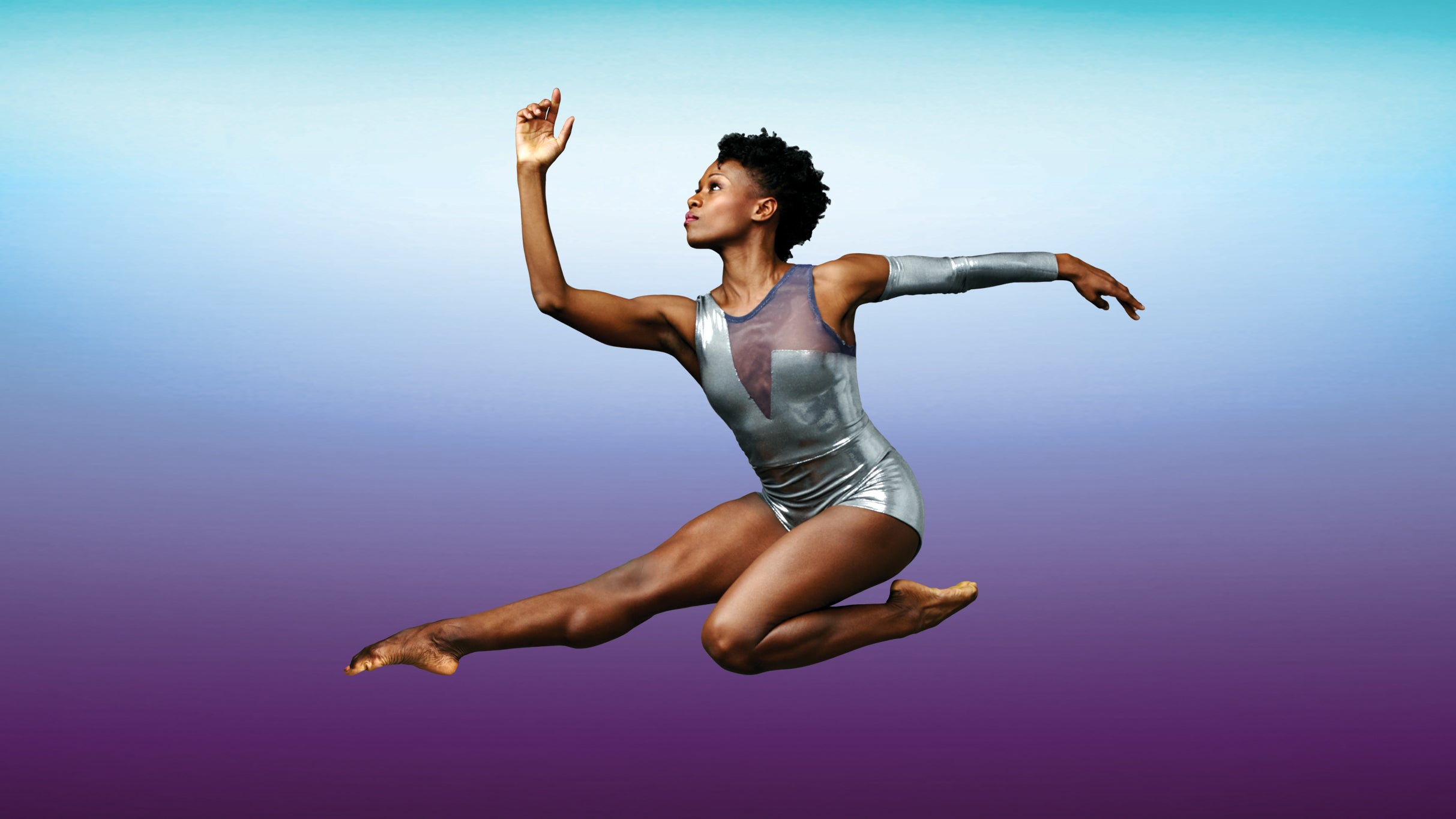
Alvin Ailey Dance Theater
Mar. 29, 2026
Los Angeles Philharmonic w/ Paavo Jarvi
Mar. 29, 2026
Monty Python's Spamalot (Touring)