- Today
- Holidays
- Birthdays
- Reminders
- Cities
- Atlanta
- Austin
- Baltimore
- Berwyn
- Beverly Hills
- Birmingham
- Boston
- Brooklyn
- Buffalo
- Charlotte
- Chicago
- Cincinnati
- Cleveland
- Columbus
- Dallas
- Denver
- Detroit
- Fort Worth
- Houston
- Indianapolis
- Knoxville
- Las Vegas
- Los Angeles
- Louisville
- Madison
- Memphis
- Miami
- Milwaukee
- Minneapolis
- Nashville
- New Orleans
- New York
- Omaha
- Orlando
- Philadelphia
- Phoenix
- Pittsburgh
- Portland
- Raleigh
- Richmond
- Rutherford
- Sacramento
- Salt Lake City
- San Antonio
- San Diego
- San Francisco
- San Jose
- Seattle
- Tampa
- Tucson
- Washington
Former 'America's Next Top Model' Contestant Speaks Out About Mistreatment
Giselle Samson details body shaming, lack of pay, and lasting trauma from her time on the show
Feb. 28, 2026 at 1:07pm
Got story updates? Submit your updates here. ›
Giselle Samson, a contestant on the first season of "America's Next Top Model," has spoken out about the mistreatment she experienced during her time on the show, including body shaming, lack of pay, and lasting trauma. Samson recently appeared in the Netflix docuseries "Reality Check: America's Next Top Model," where she detailed the challenges she faced, such as being told she had a "wide ass" and developing eating disorders as a result. Despite her participation in the documentary, Samson says she was not paid for her involvement and feels disappointed that the show's producers, including Tyra Banks, have not taken full accountability for the harm done to contestants.
Why it matters
Samson's story sheds light on the darker side of reality television, where young, vulnerable contestants were often mistreated and exploited. Her experience highlights the need for greater transparency, accountability, and support for participants in the entertainment industry, particularly in the realm of reality shows where the pursuit of drama and ratings can come at the expense of the well-being of the contestants.
The details
Samson, now 41, competed on the first season of "America's Next Top Model" in 2003. She claims that during her time on the show, she and her fellow contestants were subjected to body shaming, inadequate food, and intense pressure to perform. Samson says she was told she had a "wide ass" by the judges, which led to her developing eating disorders. After being eliminated from the competition, Samson struggled to find work in the fashion and entertainment industries, as she was perceived as the "sad girl" character the show had portrayed her as.
- Samson competed on the first season of 'America's Next Top Model' in 2003.
- The Netflix docuseries 'Reality Check: America's Next Top Model' was released in 2026.
The players
Giselle Samson
A contestant on the first season of 'America's Next Top Model' who has spoken out about the mistreatment she experienced on the show, including body shaming and lack of pay.
Tyra Banks
The creator and host of 'America's Next Top Model,' who Samson says should have apologized for the way contestants were treated on the show.
Ken Mok
The executive producer of 'America's Next Top Model,' who Samson says should have apologized for the way contestants were treated on the show.
Nigel Barker
A judge on 'America's Next Top Model,' who Samson says should have apologized for the way contestants were treated on the show.
J. 'Miss J' Alexander
A runway coach and judge on 'America's Next Top Model,' who Samson says should have apologized for the way contestants were treated on the show.
What they’re saying
“It's triggering. Being a participant of the inaugural cast of 'Top Model,' we got, I think, a $40 per diem. In New York, that'll get you a bagel and a coffee every other day.”
— Giselle Samson, Former 'America's Next Top Model' Contestant
“They said I had a 'wide ass.' Hearing that as a young girl was very painful. I was a teenager who'd been modeling and dancing my whole life, so I thought my body was amazing.”
— Giselle Samson, Former 'America's Next Top Model' Contestant
“I ended up going through a whole bulimia and anorexia thing after the show.”
— Giselle Samson, Former 'America's Next Top Model' Contestant
What’s next
Samson hopes that by speaking out, she can encourage the producers of 'America's Next Top Model' to take accountability for the way contestants were treated and to provide better support and compensation for participants in reality television.
The takeaway
Giselle Samson's story highlights the need for greater transparency, accountability, and support for contestants in the reality television industry, where the pursuit of drama and ratings can come at the expense of the well-being of young, vulnerable participants.
Los Angeles top stories



Los Angeles events

Apr. 7, 2026
Monty Python's Spamalot (Touring)
Apr. 7, 2026
Los Angeles Lakers vs. Oklahoma City Thunder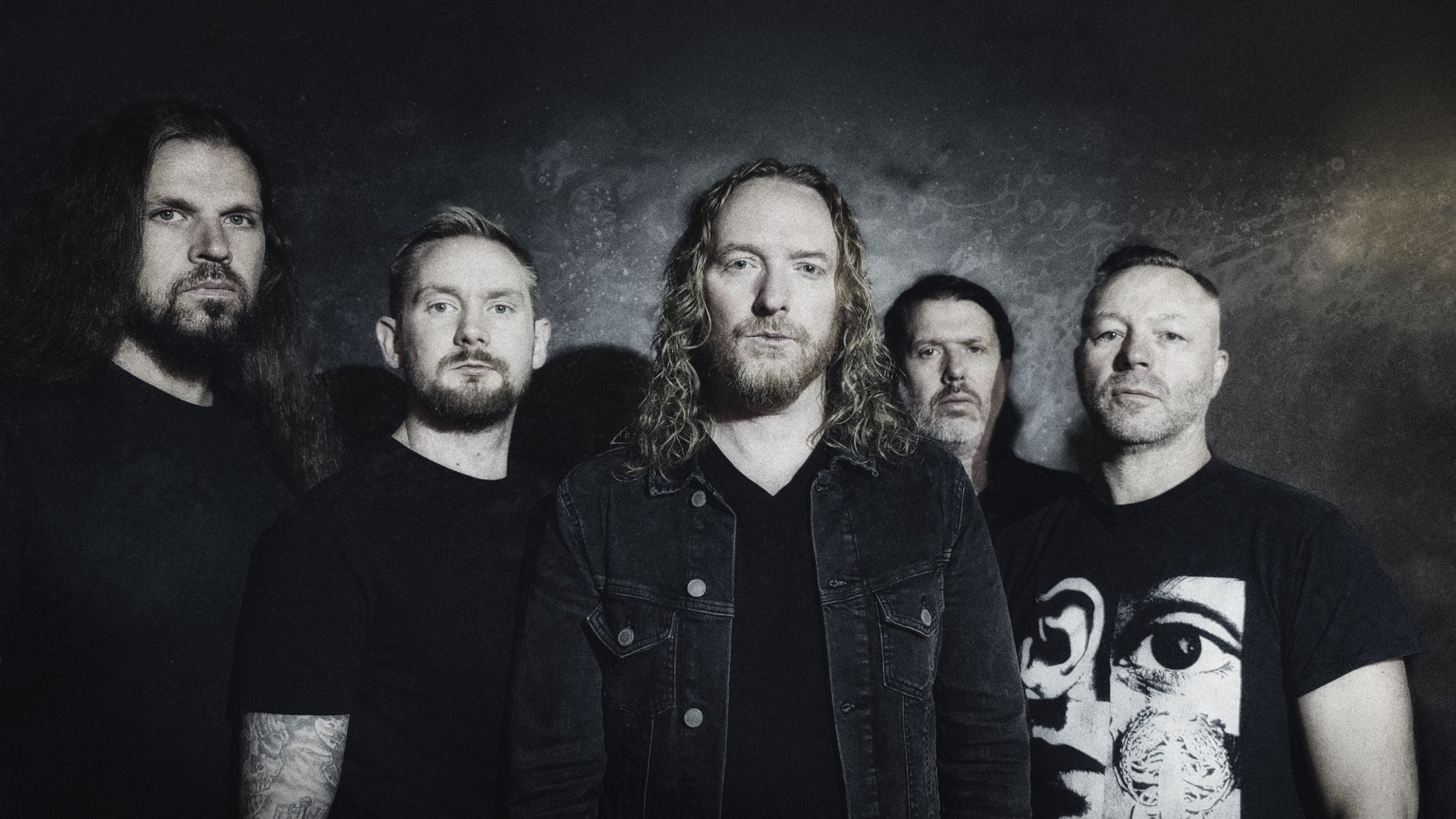
Apr. 7, 2026
Dark Tranquillity & Soen