- Today
- Holidays
- Birthdays
- Reminders
- Cities
- Atlanta
- Austin
- Baltimore
- Berwyn
- Beverly Hills
- Birmingham
- Boston
- Brooklyn
- Buffalo
- Charlotte
- Chicago
- Cincinnati
- Cleveland
- Columbus
- Dallas
- Denver
- Detroit
- Fort Worth
- Houston
- Indianapolis
- Knoxville
- Las Vegas
- Los Angeles
- Louisville
- Madison
- Memphis
- Miami
- Milwaukee
- Minneapolis
- Nashville
- New Orleans
- New York
- Omaha
- Orlando
- Philadelphia
- Phoenix
- Pittsburgh
- Portland
- Raleigh
- Richmond
- Rutherford
- Sacramento
- Salt Lake City
- San Antonio
- San Diego
- San Francisco
- San Jose
- Seattle
- Tampa
- Tucson
- Washington
Alcohol Spending Drops as Younger Americans Shift Habits
Decline in alcohol consumption could signal move to healthier lifestyles or increased use of other substances
Published on Feb. 26, 2026
Got story updates? Submit your updates here. ›
Alcohol spending as a share of household budgets is hovering near 40-year lows, which could signal shifts to healthier lifestyles or shifts to other forms of substance use. The changes are being driven by younger adults, with 4 million fewer people aged 21-34 binge drinking over the past 10 years. While some experts see this as a health-conscious trend, others suspect increased THC consumption is replacing alcohol use.
Why it matters
The decline in alcohol consumption, especially among younger generations, could have significant consumer spending consequences over the coming years. It may signal a broader shift in lifestyle and recreational habits that businesses will need to adapt to.
The details
Bank of America card data shows that spending at liquor, wine, and beer stores fell 5% year-over-year in January, while spending at bars increased nearly 4%. Spending on alcoholic beverages at home dropped from $316 on average in 2019 to $269 in 2024, while spending on alcoholic beverages away from home increased to $374 on average in 2024 from $263 in 2019. Experts suggest this could be driven by increased sales of nonalcoholic cocktails, food, and sodas at bars.
- In January 2026, spending at liquor, wine, and beer stores fell 5% year-over-year.
- Between 2019 and 2024, spending on alcoholic beverages at home dropped from $316 to $269 on average, a 15% decrease.
The players
Bank of America Institute
An economic research institute affiliated with Bank of America.
Joe Wadford
An economist at the Bank of America Institute.
Dr. Joshua Septimus
A primary care physician at Houston Methodist who has observed changes in patient substance use habits.
What they’re saying
“We don't think it's because prices are up. We think it's because consumption is down, especially people just drinking around the house.”
— Joe Wadford, Economist, Bank of America Institute (wcbm.com)
“There really is no safe amount of alcohol to consume.”
— Dr. Joshua Septimus, Primary Care Physician, Houston Methodist (wcbm.com)
“Humans have been imbibing and smoking mind-altering substances for as long as we've kept records. And so, I have a hard time believing that just because some experts say that alcohol is not good for you that all mind-altering substance use is going to drop off.”
— Dr. Joshua Septimus, Primary Care Physician, Houston Methodist (wcbm.com)
What’s next
Experts will continue to monitor changes in consumer spending and substance use habits, especially among younger generations, to better understand the long-term implications for businesses and public health.
The takeaway
The decline in alcohol consumption, particularly among younger adults, signals a broader shift in lifestyle and recreational habits that could have significant consumer spending consequences in the years ahead. While some see this as a health-conscious trend, others warn that increased use of other substances like cannabis may be replacing alcohol use.
Los Angeles top stories



Los Angeles events
Mar. 9, 2026
Charlie Hunter Trio
Mar. 9, 2026
Charlie Hunter Trio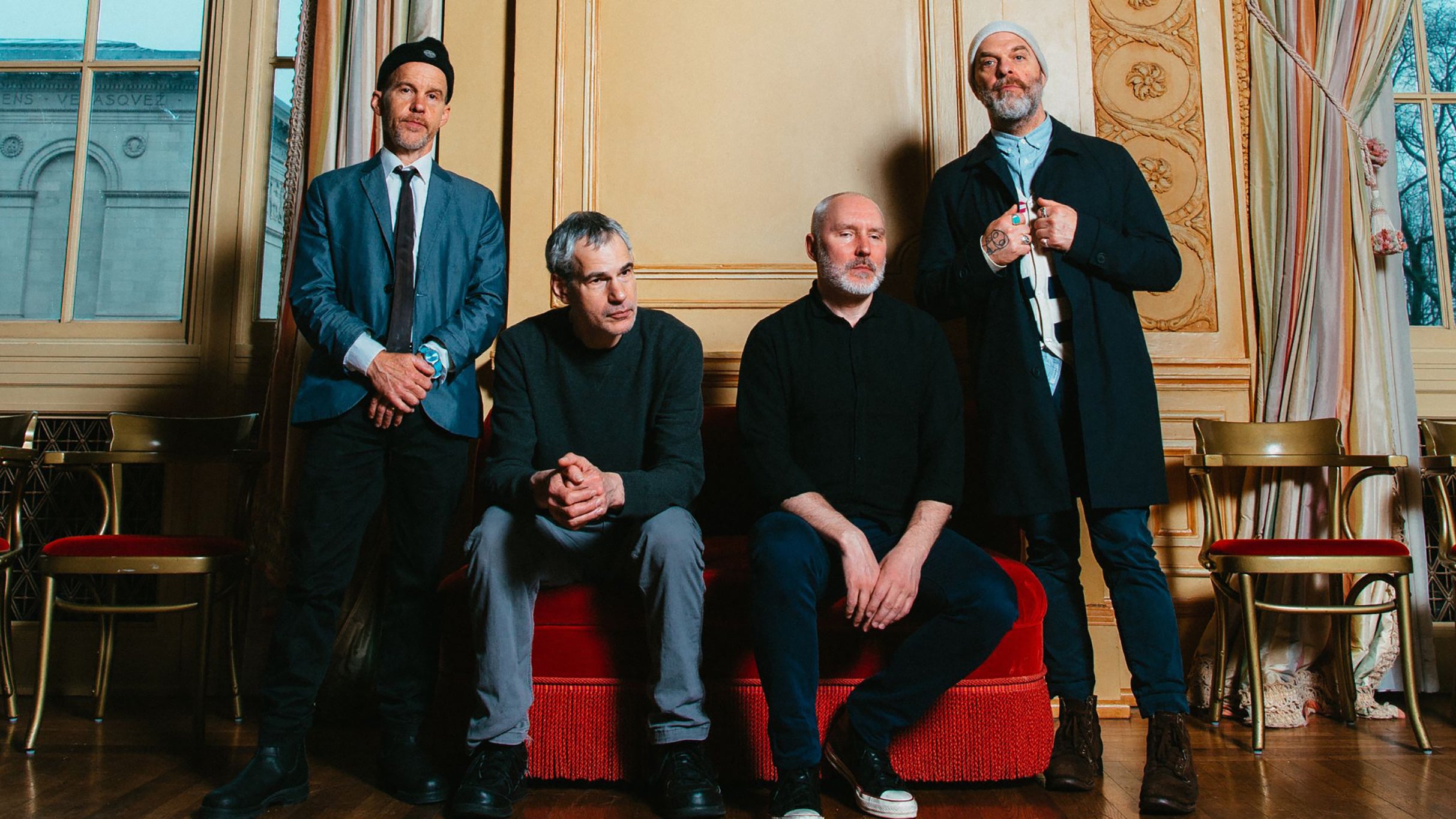
Mar. 10, 2026
The Bad Plus Potter Taborn