- Today
- Holidays
- Birthdays
- Reminders
- Cities
- Atlanta
- Austin
- Baltimore
- Berwyn
- Beverly Hills
- Birmingham
- Boston
- Brooklyn
- Buffalo
- Charlotte
- Chicago
- Cincinnati
- Cleveland
- Columbus
- Dallas
- Denver
- Detroit
- Fort Worth
- Houston
- Indianapolis
- Knoxville
- Las Vegas
- Los Angeles
- Louisville
- Madison
- Memphis
- Miami
- Milwaukee
- Minneapolis
- Nashville
- New Orleans
- New York
- Omaha
- Orlando
- Philadelphia
- Phoenix
- Pittsburgh
- Portland
- Raleigh
- Richmond
- Rutherford
- Sacramento
- Salt Lake City
- San Antonio
- San Diego
- San Francisco
- San Jose
- Seattle
- Tampa
- Tucson
- Washington
NBC's 'Gold Zone' Brings Quick-Hit Sports Viewing to the Olympics
The fast-paced format aims to capture the attention of younger, digitally-savvy viewers
Feb. 25, 2026 at 5:47pm
Got story updates? Submit your updates here. ›
NBC Sports is bringing its successful 'Gold Zone' format to the 2026 Winter Olympics, allowing viewers to quickly jump between various events happening simultaneously. Modeled after the NFL's 'Red Zone', Gold Zone provides a whip-around viewing experience, with hosts like Andrew Siciliano and Scott Hanson directing viewers to the most compelling action across sports like hockey, ski jumping, curling, and skeleton. The format, which first gained traction during the 2024 Paris Olympics, is part of a broader trend towards short-form, attention-grabbing content aimed at younger audiences.
Why it matters
The rise of 'Gold Zone' and similar 'whip-around' viewing formats reflects changing consumer habits, as viewers - particularly younger ones - demand more control over their viewing experience and seek out quick hits of engaging content. This format allows NBC to cater to shorter attention spans and the desire to see the most exciting moments across multiple events happening concurrently.
The details
Gold Zone features multiple live event feeds displayed simultaneously, with the hosts directing viewers to switch between them based on the action. If something particularly noteworthy happens in one event, that feed may take over the full screen. The format also includes 'toasts' that allow viewers to quickly jump to a specific event. Preparing to host Gold Zone requires extensive study, as announcers need to be able to provide context about each sport and athlete to viewers who may not be familiar with the nuances.
- Gold Zone first gained significant attention during the 2024 Paris Olympics, but NBC has offered the format since the 2012 London Olympics.
- The streaming era has helped drive the format's popularity, with Gold Zone being featured prominently on Peacock during the Paris Games.
The players
Andrew Siciliano
A sportscaster who helps guide Peacock viewers through the various Olympic events featured in Gold Zone.
Scott Hanson
The host of the NFL's Red Zone, which served as inspiration for the Gold Zone format.
Amy Rosenfeld
The NBC Sports veteran producer who oversees the production of Gold Zone.
Max Fuller
An assistant professor of sports media and journalism at Ithaca College who believes the 'whip-around' format could be useful in areas beyond sports, such as election coverage.
What they’re saying
“We didn't invent America's short attention span. We just kind of came around at the right time.”
— Andrew Siciliano
“Viewers may not want to see, say, the entirety of a curling match, but if it gets good, down to the wire, and/or features a nation or competitor they're interested in, the format makes it super easy to focus on pivotal moments.”
— Max Fuller, Assistant Professor of Sports Media and Journalism, Ithaca College
“It's not that people have a short attention span. No, it's just that they want to shorten the time between those dopamine hits they get”
— Scott Hanson
What’s next
NBC is expected to continue expanding the Gold Zone format, with the potential for it to be applied to other types of live events beyond sports, such as political debates and reality TV.
The takeaway
The rise of 'Gold Zone' and similar quick-hit viewing formats reflects the evolving preferences of younger, digitally-savvy audiences who want to be able to easily access the most compelling content across multiple live events. This format allows NBC to cater to shorter attention spans and the desire for constant stimulation, setting the stage for potential expansion into other areas beyond sports.
Los Angeles top stories



Los Angeles events

Apr. 6, 2026
Melanie Martinez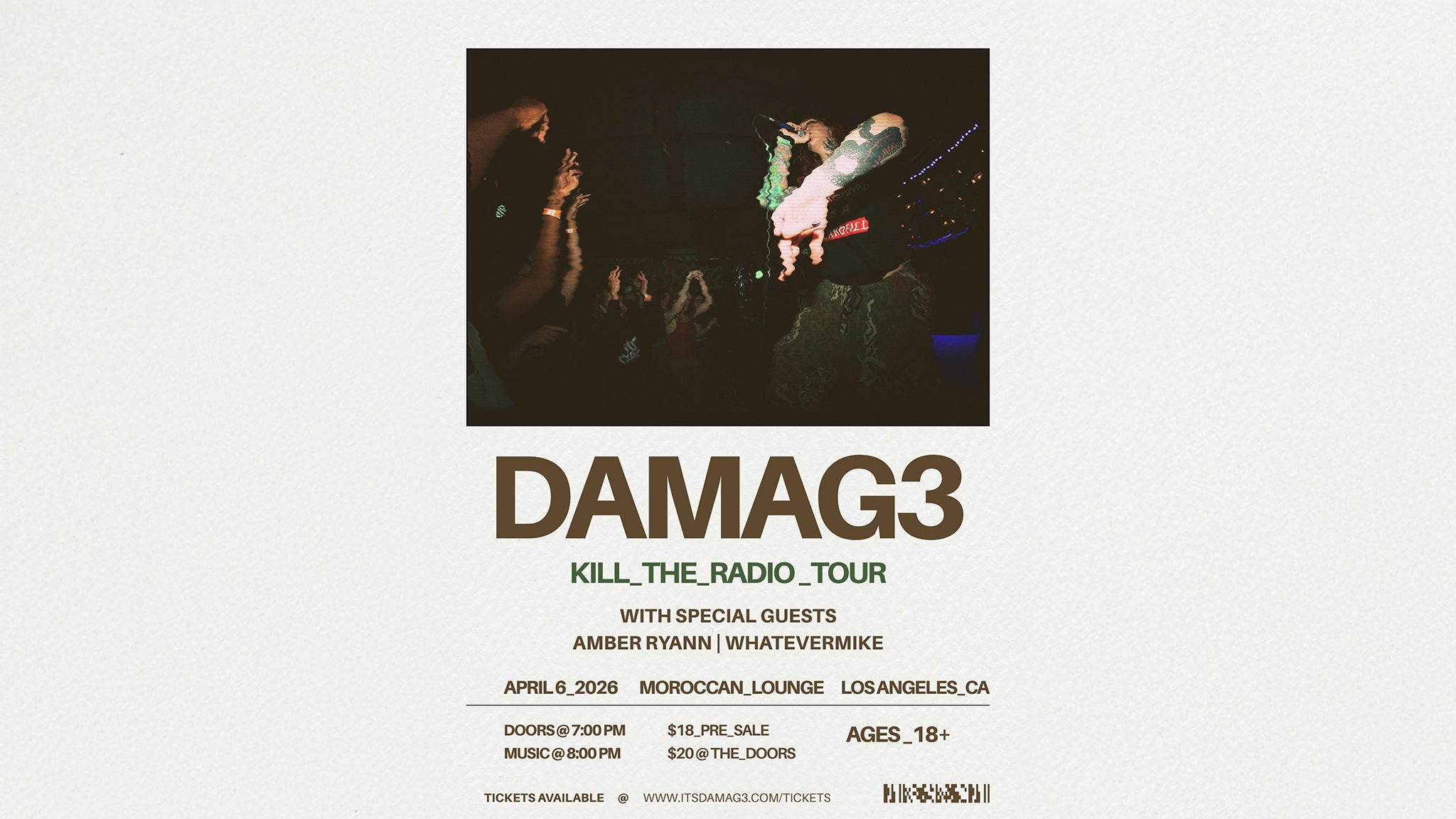
Apr. 6, 2026
DAMAG3 with whatever mike & Amber Ryann
Apr. 6, 2026
The Don Brown Collective & Friends