- Today
- Holidays
- Birthdays
- Reminders
- Cities
- Atlanta
- Austin
- Baltimore
- Berwyn
- Beverly Hills
- Birmingham
- Boston
- Brooklyn
- Buffalo
- Charlotte
- Chicago
- Cincinnati
- Cleveland
- Columbus
- Dallas
- Denver
- Detroit
- Fort Worth
- Houston
- Indianapolis
- Knoxville
- Las Vegas
- Los Angeles
- Louisville
- Madison
- Memphis
- Miami
- Milwaukee
- Minneapolis
- Nashville
- New Orleans
- New York
- Omaha
- Orlando
- Philadelphia
- Phoenix
- Pittsburgh
- Portland
- Raleigh
- Richmond
- Rutherford
- Sacramento
- Salt Lake City
- San Antonio
- San Diego
- San Francisco
- San Jose
- Seattle
- Tampa
- Tucson
- Washington
Unpacking the Myth and Influence of Sun Ra
How the pianist, composer and bandleader's cosmic vision has been shaped by modern interpretations
Published on Feb. 23, 2026
Got story updates? Submit your updates here. ›
This article by Harmony Holiday explores how the legacy of musician Sun Ra, who claimed to be a visitor from Saturn, has been mythologized and appropriated in recent years. While Ra's ideas about the 'omniverse' and his avant-garde musical style have inspired a devoted following, Holiday argues that much of the current interest in Ra is superficial, failing to fully engage with the depth and complexity of his artistic vision.
Why it matters
Sun Ra's unique blend of cosmic philosophy, experimental music, and theatrical persona have made him an influential figure in the realm of Afrofuturism. However, the article suggests that his work is often reduced to a trendy aesthetic, with his deeper messages and motivations being overlooked. Examining how Ra's legacy has been shaped and reshaped provides insight into the ways in which influential Black artists can be mythologized and their work commodified.
The details
The article delves into Sun Ra's background, describing him as a "pianist, composer, bandleader, and scholar" who fashioned himself as a "messenger" through his music. It highlights Ra's unconventional approach, noting his requirement of "devotion, suspension of disbelief, and a bit of asceticism" from his Arkestra ensemble. The article also explores Ra's cosmic philosophy, including his claim to be a visitor from Saturn on an "impossible mission" to Earth.
- Sun Ra was born in 1914 in Birmingham, Alabama.
- James Baldwin was born in 1924.
- Amiri Baraka, a close friend of Ra's, was born in 1934.
The players
Sun Ra
Also known as Herman Blount, Sun Ra was a pianist, composer, bandleader, and scholar who claimed to be a visitor from Saturn on a mission to Earth. He led the avant-garde musical ensemble known as the Arkestra.
Harmony Holiday
The author of the article, who unpacks how Sun Ra's legacy has been shaped and reshaped by modern interpretations.
What they’re saying
“I'm dealing with the myth that I'm an angel," he points out. Later he reminds us that Lucifer was an angel too, that he might choose to be a dark angel once-in-a-while.”
— Sun Ra (pbs.org)
The takeaway
This article highlights the complexities of Sun Ra's legacy, suggesting that while his cosmic philosophy and experimental music have inspired a devoted following, much of the current interest in his work is superficial, failing to fully engage with the depth and nuance of his artistic vision. The article calls for a more thoughtful and contextualized understanding of Ra's influence, rather than reducing him to a trendy aesthetic or mascot for the future.
Los Angeles top stories



Los Angeles events

Mar. 9, 2026
Charlie Hunter TrioMar. 9, 2026
Charlie Hunter Trio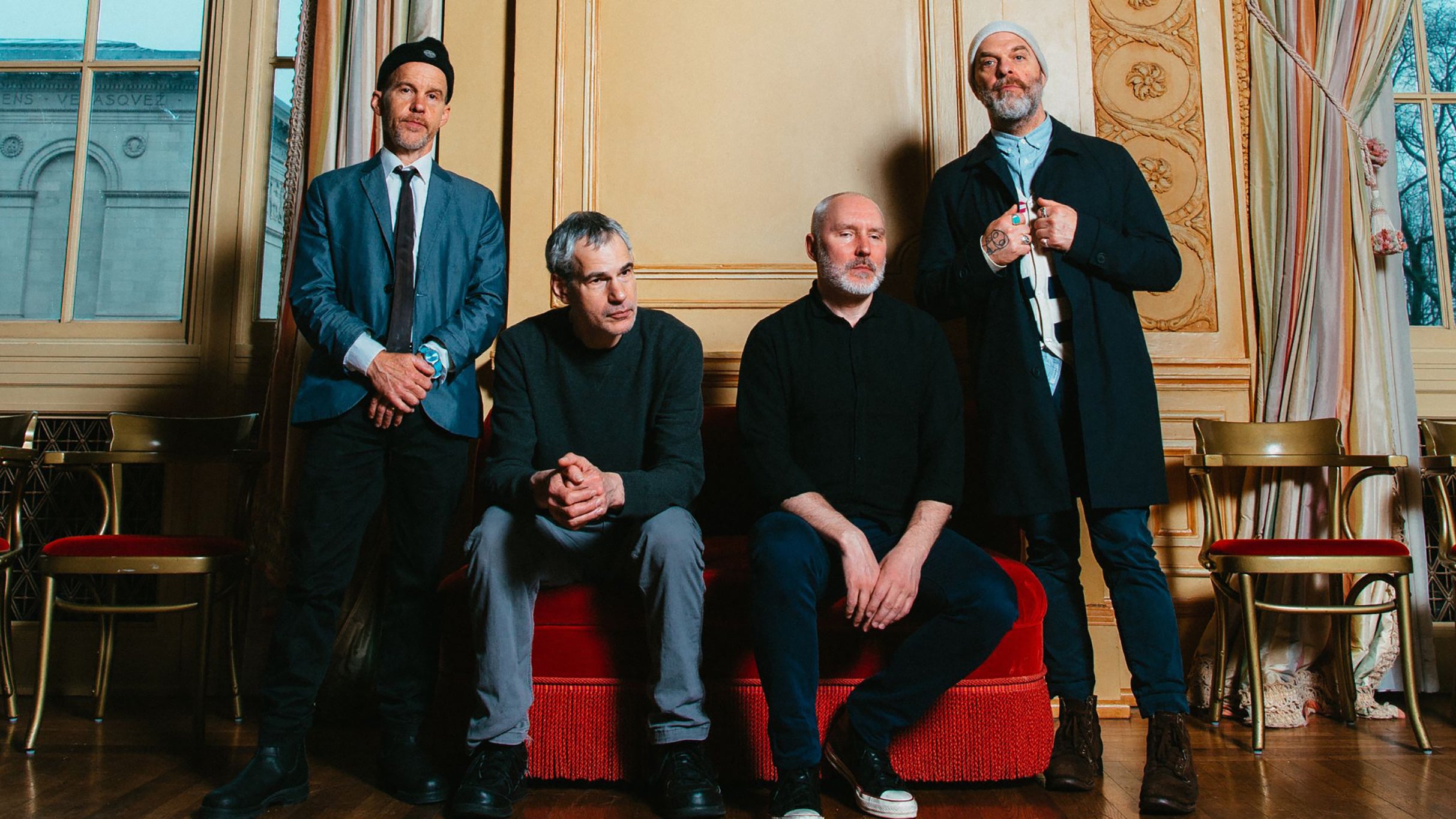
Mar. 10, 2026
The Bad Plus Potter Taborn