- Today
- Holidays
- Birthdays
- Reminders
- Cities
- Atlanta
- Austin
- Baltimore
- Berwyn
- Beverly Hills
- Birmingham
- Boston
- Brooklyn
- Buffalo
- Charlotte
- Chicago
- Cincinnati
- Cleveland
- Columbus
- Dallas
- Denver
- Detroit
- Fort Worth
- Houston
- Indianapolis
- Knoxville
- Las Vegas
- Los Angeles
- Louisville
- Madison
- Memphis
- Miami
- Milwaukee
- Minneapolis
- Nashville
- New Orleans
- New York
- Omaha
- Orlando
- Philadelphia
- Phoenix
- Pittsburgh
- Portland
- Raleigh
- Richmond
- Rutherford
- Sacramento
- Salt Lake City
- San Antonio
- San Diego
- San Francisco
- San Jose
- Seattle
- Tampa
- Tucson
- Washington
Meta CEO Zuckerberg Testifies in Landmark Social Media Harm Trial
Zuckerberg faces questions on platform design decisions and their impact on user wellbeing
Feb. 23, 2026 at 10:15pm
Got story updates? Submit your updates here. ›
Meta CEO Mark Zuckerberg testified for eight hours in a Los Angeles courtroom, facing questions from the lead litigator for plaintiff K.G.M., a 20-year-old woman who claims Meta and Google's design features encouraged her to compulsively use their apps and led to mental health issues. Zuckerberg defended Meta's decisions, arguing the company has tried to balance free expression and user wellbeing, though he acknowledged not everyone on his team agreed with all choices. The trial is expected to last at least six weeks and will also feature testimony from former Meta employees and YouTube executives.
Why it matters
This high-profile trial puts a spotlight on the ongoing debate over social media platforms' responsibility for the mental health impacts of their products, particularly on young users. The outcome could set important legal precedents and force platforms to re-evaluate their design choices and content moderation policies.
The details
During his testimony, Zuckerberg was pressed on decisions such as his choice to allow the use of AR filters that simulate cosmetic surgery, despite some internal concerns about their impact on user wellbeing. He argued Meta had to balance free expression against potential harms, saying 'you don't really build social media apps unless you care about people being able to express themselves.' Zuckerberg also addressed alleged contradictions between past claims about keeping kids off Facebook/Instagram and internal documents describing the value of young users.
- Zuckerberg entered the Los Angeles courthouse on February 19, 2026 to begin his landmark trial testimony.
- Zuckerberg spent eight hours on the witness stand answering questions from the lead litigator for plaintiff K.G.M.
The players
Mark Zuckerberg
The CEO of Meta, the parent company of Facebook, Instagram, and other social media platforms.
Mark Lanier
The lead litigator for plaintiff K.G.M., a 20-year-old woman suing Meta and Google over the design of their social media platforms.
K.G.M.
A 20-year-old woman who is the plaintiff in the lawsuit against Meta and Google, claiming their platform designs led to her mental health issues.
Adam Mosseri
The head of Instagram, a Meta-owned social media platform.
Amy Neville
A parent who attended the trial and whose 14-year-old son Alexander died from fentanyl poisoning allegedly facilitated by Snapchat.
What they’re saying
“You don't really build social media apps unless you care about people being able to express themselves”
— Mark Zuckerberg, CEO, Meta
“There won't be hard data to prove causal harm for many years”
— Meta executive
“I think it's pretty obvious who the parents in the room are, and I hope that when he looks out into that courtroom, because we're sitting right there, that he sees that and he feels that, because the only way we're really going to get change from him is when he's empathetic”
— Amy Neville, Parent
What’s next
The trial is expected to last at least six weeks, with jurors set to hear from former Meta employees who disagreed with the company's approach to teen safety, as well as executives from YouTube, which is also a defendant in the case.
The takeaway
This high-profile trial highlights the ongoing debate over social media platforms' responsibility for the mental health impacts of their products, particularly on young users. The outcome could set important legal precedents and force platforms to re-evaluate their design choices and content moderation policies to better prioritize user wellbeing.
Los Angeles top stories



Los Angeles events

Apr. 7, 2026
Monty Python's Spamalot (Touring)
Apr. 7, 2026
Los Angeles Lakers vs. Oklahoma City Thunder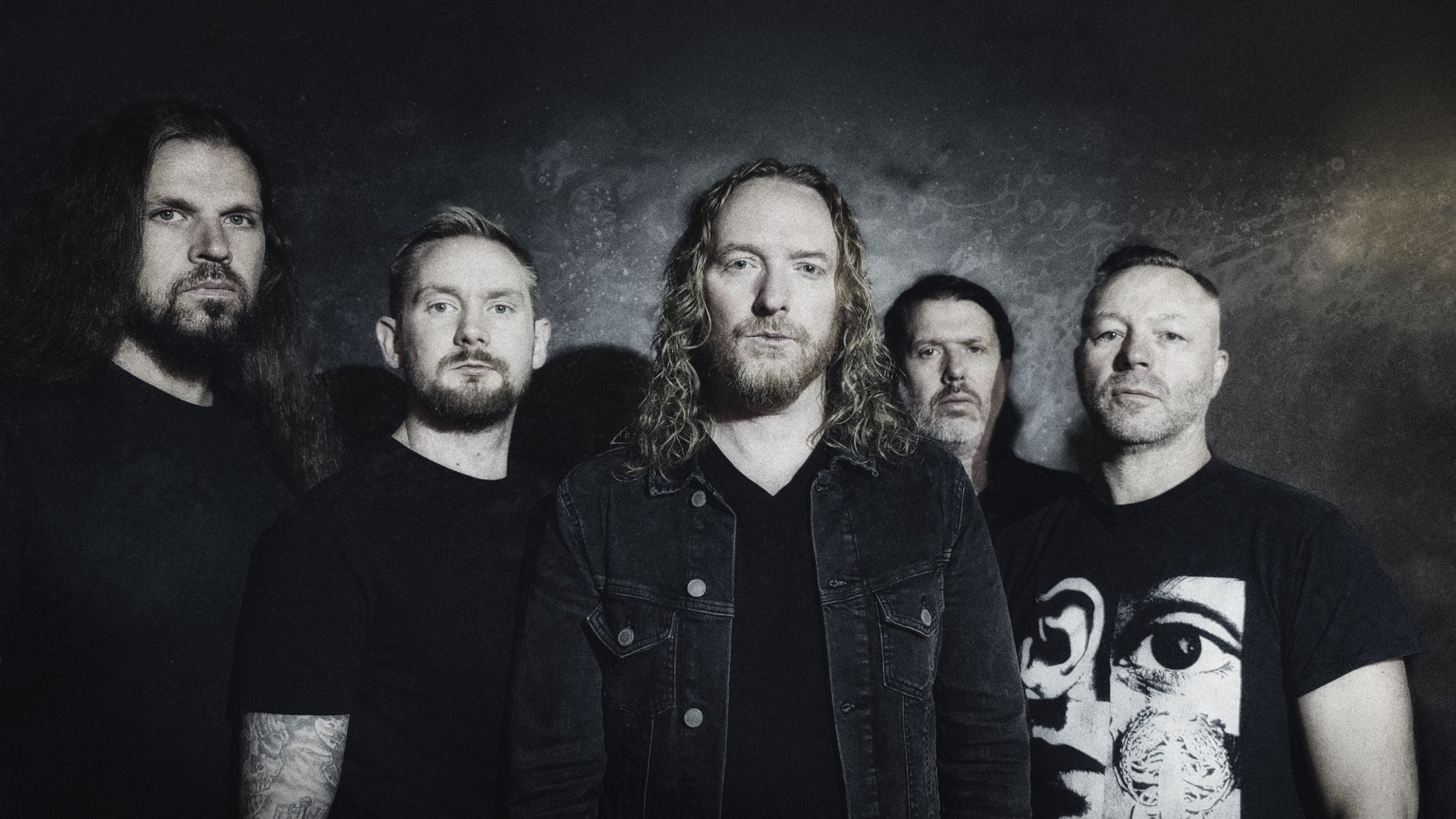
Apr. 7, 2026
Dark Tranquillity & Soen