- Today
- Holidays
- Birthdays
- Reminders
- Cities
- Atlanta
- Austin
- Baltimore
- Berwyn
- Beverly Hills
- Birmingham
- Boston
- Brooklyn
- Buffalo
- Charlotte
- Chicago
- Cincinnati
- Cleveland
- Columbus
- Dallas
- Denver
- Detroit
- Fort Worth
- Houston
- Indianapolis
- Knoxville
- Las Vegas
- Los Angeles
- Louisville
- Madison
- Memphis
- Miami
- Milwaukee
- Minneapolis
- Nashville
- New Orleans
- New York
- Omaha
- Orlando
- Philadelphia
- Phoenix
- Pittsburgh
- Portland
- Raleigh
- Richmond
- Rutherford
- Sacramento
- Salt Lake City
- San Antonio
- San Diego
- San Francisco
- San Jose
- Seattle
- Tampa
- Tucson
- Washington
Influencers Embrace 'Analog Lifestyle' for 2026
Trends show people are craving a break from constant digital connectivity
Published on Feb. 21, 2026
Got story updates? Submit your updates here. ›
As 2026 dawns, social media influencers are proclaiming it the year of the 'analog lifestyle' - a call to reduce digital connectivity as smart tech and screen time dominate people's attention. Influencers from California, the UK, and Germany are vowing to print photos, read more books, take up hobbies that don't require Wi-Fi, and swap music streaming for iPods and vinyl records. Experts say the pandemic exacerbated smartphone dependence, and people are now noticing the 'enormous opportunity costs' of constant digital engagement, which can lead to unhappiness and mental health challenges. The analog trend aims to help people 'rebalance time and energy' and 'reduce distractability and related stress' by embracing old technologies and offline activities.
Why it matters
The 'analog lifestyle' trend reflects a growing desire among younger generations to create boundaries and be more mindful with their digital connectivity. As smartphones and screens have become ubiquitous, people are recognizing the negative impacts on their mental health and wellbeing. This shift represents an attempt to reclaim presence and balance in daily life.
The details
Influencers like Selly Tan, Rosie Okatcha, and Sanchi Oswal are leading the 'analog lifestyle' movement, vowing to reduce their reliance on digital devices and social media. Data shows smartphone ownership in the U.S. has risen from 35% in 2011 to an estimated 91% in 2025. Experts say the pandemic exacerbated this dependence, as people turned to screens for communication, entertainment, and coping. Now, people are making connections between their online lives and overall psychological wellbeing, which studies show can suffer from heavy digital use.
- In 2010, the 'switching off' trend emerged as consumers sought breaks from digital devices.
- Between January and October 2025, searches for 'iPods' on eBay increased more than 1,200 times per hour globally.
- The craft supplies market is projected to grow from $42.83 billion globally in 2025 to $64.95 billion by 2035, partly due to the 'analog lifestyle' trend.
The players
Selly Tan
A social media influencer from California who is embracing the 'analog lifestyle' by printing photos, reading more books and magazines, and taking up hobbies that don't require Wi-Fi.
Rosie Okatcha
A social media influencer from the UK who is proclaiming 2026 as 'The Age of Analog,' swapping music streaming for iPods and vinyl records, and choosing crafting over doomscrolling.
Sanchi Oswal
A social media influencer from Germany who says going analog will reduce her 'exposure and reliance on digital stimuli,' especially her phone.
Lillie Beacope
A senior at USC who feels there's not enough of a break from technology in her day-to-day life, with screens dominating from noon to 5 p.m. and then more phone scrolling at home.
Natalia Khodayari
A postdoctoral researcher at UC Davis who studies the mechanisms of attention and emotion, and says the 'analog lifestyle' trend aims to 'rebalance time and energy and reduce distractability and related stress.'
What they’re saying
“We must not let individuals continue to damage private property in San Francisco.”
— Robert Jenkins, San Francisco resident (San Francisco Chronicle)
“Fifty years is such an accomplishment in San Francisco, especially with the way the city has changed over the years.”
— Gordon Edgar, grocery employee (Instagram)
The takeaway
The 'analog lifestyle' trend reflects a growing desire among younger generations to create boundaries and be more mindful with their digital connectivity. As smartphones and screens have become ubiquitous, people are recognizing the negative impacts on their mental health and wellbeing, and are seeking ways to reclaim presence and balance in daily life through embracing old technologies and offline activities.
Los Angeles top stories


Los Angeles events

Mar. 9, 2026
Charlie Hunter Trio
Mar. 9, 2026
Charlie Hunter Trio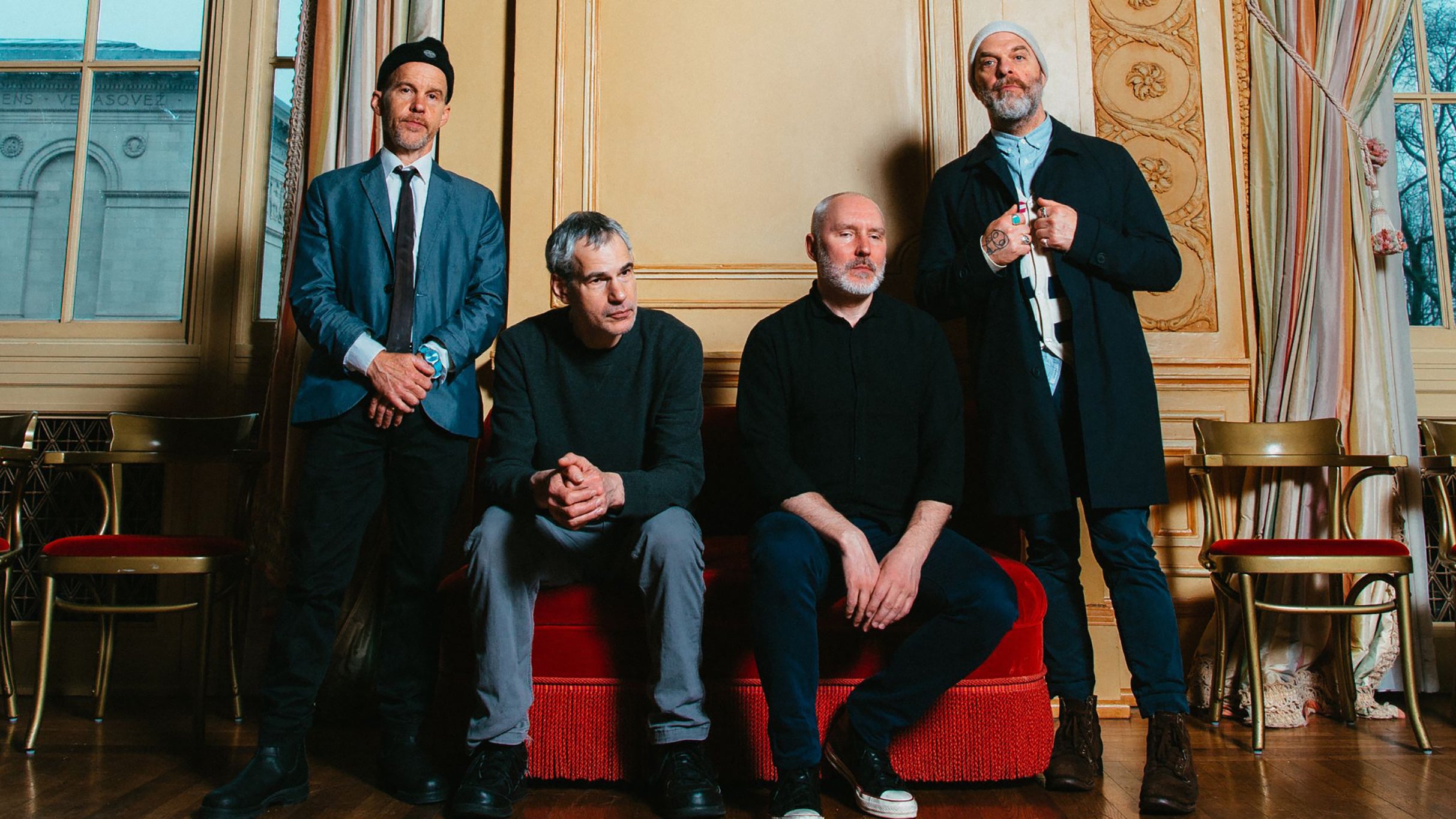
Mar. 10, 2026
The Bad Plus Potter Taborn