- Today
- Holidays
- Birthdays
- Reminders
- Cities
- Atlanta
- Austin
- Baltimore
- Berwyn
- Beverly Hills
- Birmingham
- Boston
- Brooklyn
- Buffalo
- Charlotte
- Chicago
- Cincinnati
- Cleveland
- Columbus
- Dallas
- Denver
- Detroit
- Fort Worth
- Houston
- Indianapolis
- Knoxville
- Las Vegas
- Los Angeles
- Louisville
- Madison
- Memphis
- Miami
- Milwaukee
- Minneapolis
- Nashville
- New Orleans
- New York
- Omaha
- Orlando
- Philadelphia
- Phoenix
- Pittsburgh
- Portland
- Raleigh
- Richmond
- Rutherford
- Sacramento
- Salt Lake City
- San Antonio
- San Diego
- San Francisco
- San Jose
- Seattle
- Tampa
- Tucson
- Washington
Jake Paul Undergoes Second Jaw Surgery After Anthony Joshua Fight
Concerns over fighter safety in crossover boxing matches grow as recovery complications arise.
Published on Feb. 20, 2026
Got story updates? Submit your updates here. ›
Jake Paul has undergone a second surgery to repair his fractured jaw, sustained during his December bout with Anthony Joshua. The injury and need for additional medical intervention highlight the inherent risks in boxing, particularly as more celebrities and influencers enter the ring against seasoned professionals.
Why it matters
Paul's case is a stark reminder of the dangers facing fighters, especially in crossover matches where skill and experience levels can vary greatly. It has prompted renewed calls for stricter regulations to prioritize fighter safety, including more rigorous medical evaluations, mandatory rest periods, and independent oversight of matchmaking.
The details
Paul initially underwent surgery on December 20th, involving the insertion of titanium plates and the removal of teeth. However, the hardware became dislodged due to continued activity, requiring a second procedure. This complication underscores the importance of adhering to strict recovery protocols, as boxing injuries can be severe and require extensive treatment.
- Paul's first surgery took place on December 20th, 2025.
- The second surgery was required shortly after the initial procedure.
The players
Jake Paul
A YouTuber-turned-boxer who suffered a fractured jaw in his fight against Anthony Joshua.
Anthony Joshua
A professional boxer who faced off against Jake Paul in a high-profile crossover match.
What’s next
The boxing community is expected to continue discussing potential changes to regulations and oversight to better protect fighters, particularly in crossover matches.
The takeaway
Jake Paul's injury and the need for a second surgery highlight the inherent risks in boxing and the growing concerns over fighter safety, especially as more celebrities and influencers enter the sport. This case could serve as a catalyst for the implementation of stricter regulations and medical protocols to prioritize the well-being of all fighters.
Los Angeles top stories


Los Angeles events
Mar. 9, 2026
Charlie Hunter Trio
Mar. 9, 2026
Charlie Hunter Trio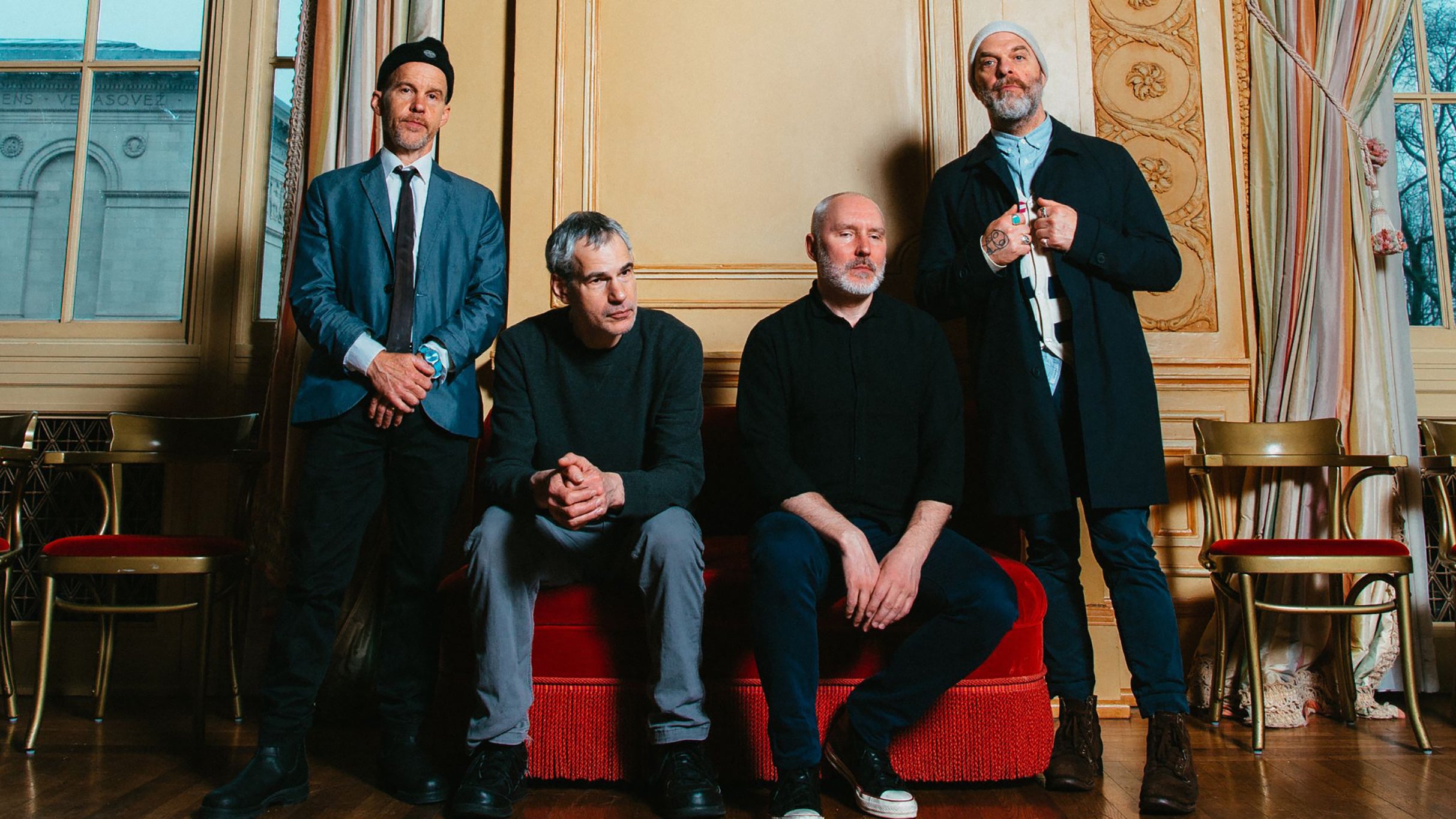
Mar. 10, 2026
The Bad Plus Potter Taborn