- Today
- Holidays
- Birthdays
- Reminders
- Cities
- Atlanta
- Austin
- Baltimore
- Berwyn
- Beverly Hills
- Birmingham
- Boston
- Brooklyn
- Buffalo
- Charlotte
- Chicago
- Cincinnati
- Cleveland
- Columbus
- Dallas
- Denver
- Detroit
- Fort Worth
- Houston
- Indianapolis
- Knoxville
- Las Vegas
- Los Angeles
- Louisville
- Madison
- Memphis
- Miami
- Milwaukee
- Minneapolis
- Nashville
- New Orleans
- New York
- Omaha
- Orlando
- Philadelphia
- Phoenix
- Pittsburgh
- Portland
- Raleigh
- Richmond
- Rutherford
- Sacramento
- Salt Lake City
- San Antonio
- San Diego
- San Francisco
- San Jose
- Seattle
- Tampa
- Tucson
- Washington
Major California Roads Closed as Storm Brings Heavy Rain, Flooding
Widespread flash flood warnings in effect as more rain is expected across the region
Published on Feb. 19, 2026
Got story updates? Submit your updates here. ›
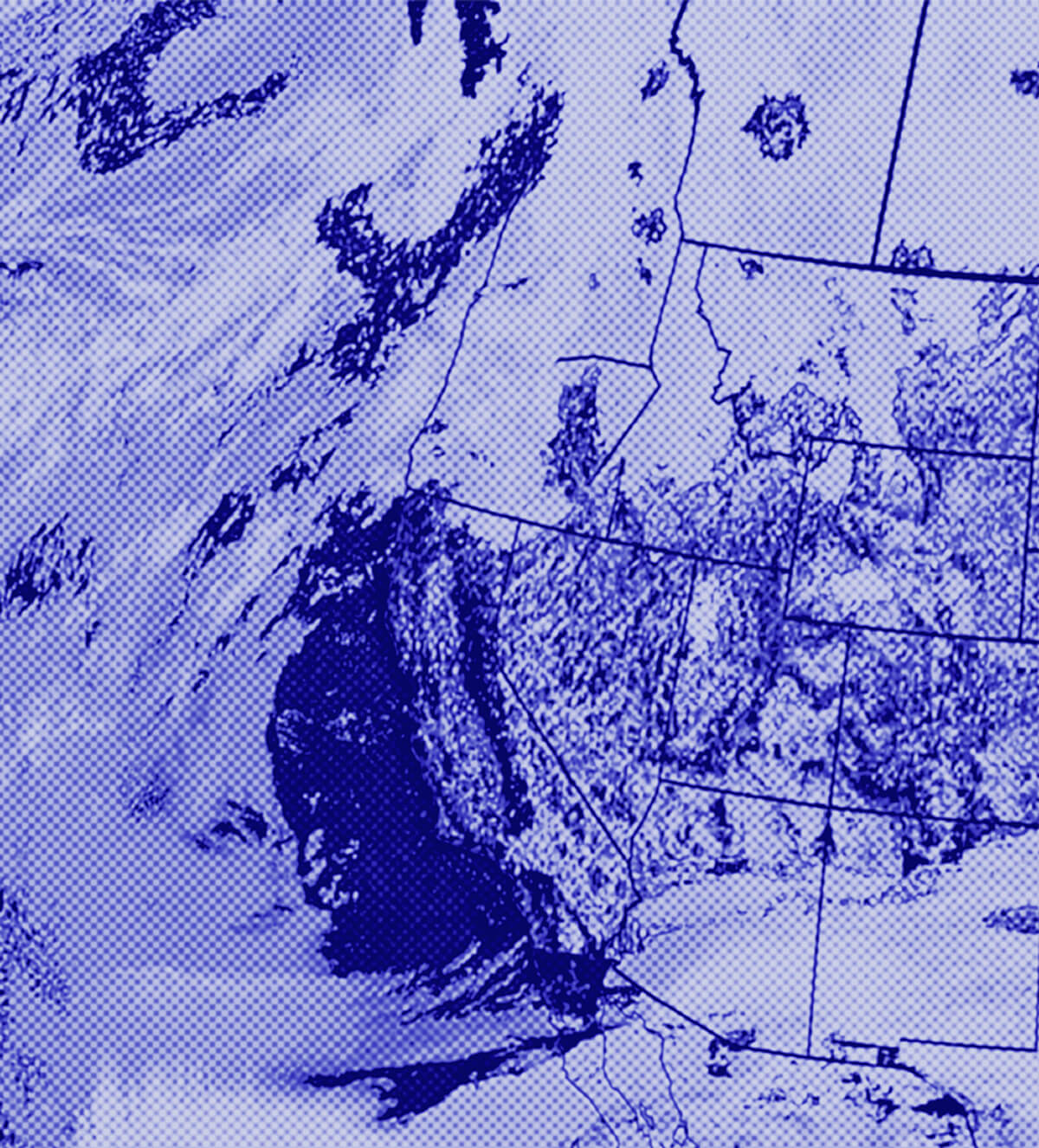
A powerful storm system has brought heavy rainfall to much of California, leading to the closure of several major roads including a section of Highway 1 through Big Sur and a stretch of Topanga Canyon Road in Los Angeles County. The storm has also triggered flash flood warnings, with more torrential rain and heavy snow expected to continue through the week.
Why it matters
The storm has caused significant disruptions to transportation and infrastructure across California, raising concerns about public safety and the potential for further damage from flooding, mudslides, and debris flows. The heavy precipitation also comes as the state continues to grapple with the impacts of prolonged drought, making the flooding particularly problematic.
The details
The storm has already dumped more than an inch of rain across much of Southern California, with some areas recording over 3 inches. This has led to the closure of a section of Highway 1 through Big Sur due to rockslides and debris, as well as a stretch of Topanga Canyon Road in Los Angeles County due to multiple debris flows. The National Weather Service has issued a flood watch for much of Southwest California, warning of the risk of flash flooding, rock and mud slides, and burn-scar debris flows. The region's mountains are also under a winter storm warning, with up to 12 inches of snow possible at higher elevations.
- The storm arrived in California on Monday, February 16, 2026.
- Heavy rain and flooding are expected to continue through the end of the week.
The players
California Department of Transportation
The state agency responsible for maintaining and repairing California's roads and highways.
National Weather Service
The federal agency that provides weather forecasts and warnings for the United States.
What they’re saying
“It's going to be a very soggy, wet period over much of the week.”
— Mike Wofford, Meteorologist, National Weather Service
What’s next
The California Department of Transportation will continue to monitor the roads and highways affected by the storm, and will work to reopen them as soon as it is safe to do so. The National Weather Service will also continue to provide updates on the ongoing weather conditions and any additional warnings or advisories that may be issued.
The takeaway
This storm serves as a stark reminder of the ongoing challenges California faces in dealing with extreme weather events, from heavy rainfall and flooding to prolonged drought. As the state continues to grapple with the impacts of climate change, it will be crucial for officials to invest in infrastructure improvements and emergency preparedness measures to protect public safety and minimize disruptions to daily life.
Los Angeles top stories


Los Angeles events

Mar. 10, 2026
The Bad Plus Potter Taborn
Mar. 10, 2026
Los Angeles Lakers vs. Minnesota Timberwolves
Mar. 10, 2026
dodie with special guest Andy Louis