- Today
- Holidays
- Birthdays
- Reminders
- Cities
- Atlanta
- Austin
- Baltimore
- Berwyn
- Beverly Hills
- Birmingham
- Boston
- Brooklyn
- Buffalo
- Charlotte
- Chicago
- Cincinnati
- Cleveland
- Columbus
- Dallas
- Denver
- Detroit
- Fort Worth
- Houston
- Indianapolis
- Knoxville
- Las Vegas
- Los Angeles
- Louisville
- Madison
- Memphis
- Miami
- Milwaukee
- Minneapolis
- Nashville
- New Orleans
- New York
- Omaha
- Orlando
- Philadelphia
- Phoenix
- Pittsburgh
- Portland
- Raleigh
- Richmond
- Rutherford
- Sacramento
- Salt Lake City
- San Antonio
- San Diego
- San Francisco
- San Jose
- Seattle
- Tampa
- Tucson
- Washington
California Leads Effort to Add Folic Acid to Corn Tortillas
More states follow California's lead to reduce neural tube defects in Hispanic infants
Mar. 30, 2026 at 2:35pm
Got story updates? Submit your updates here. ›
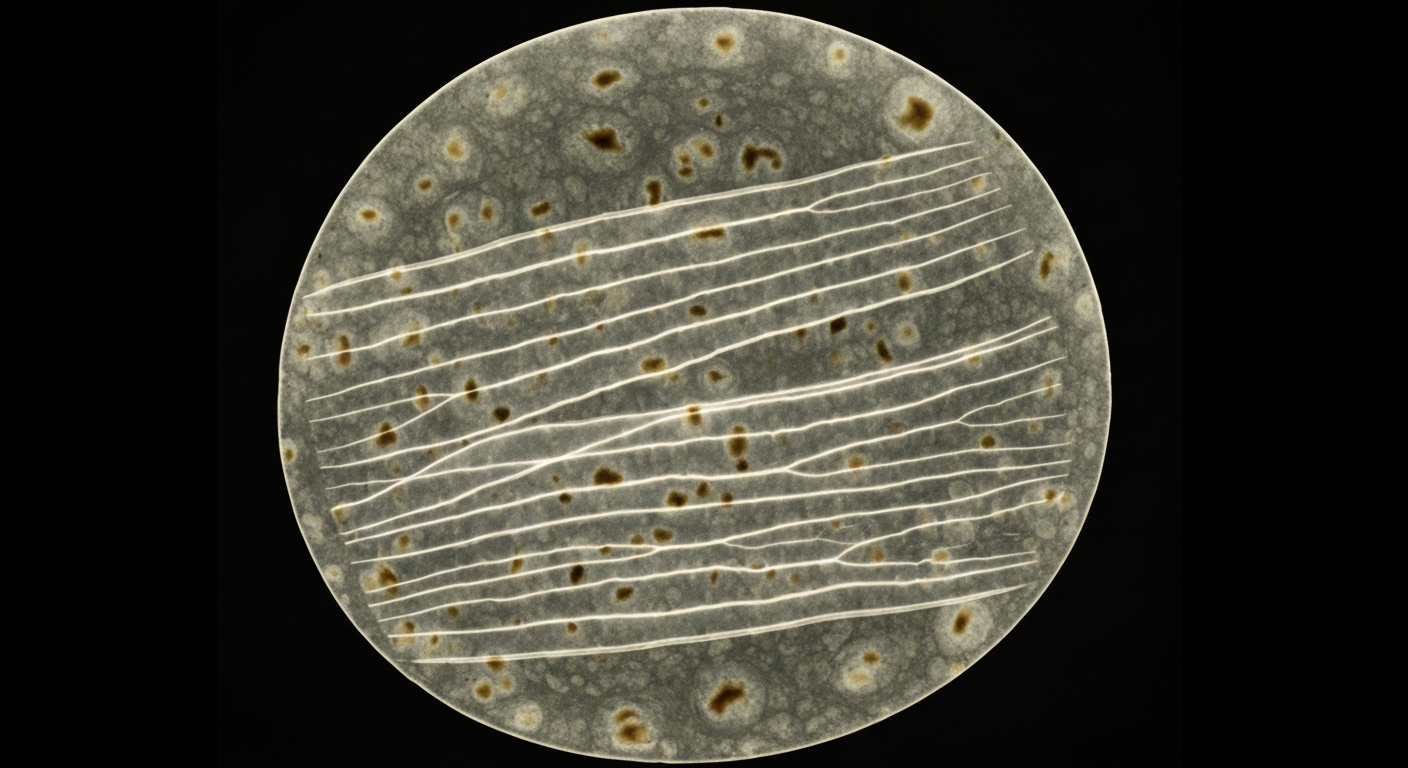 An X-ray view of a corn tortilla highlights the hidden nutritional gaps that new fortification laws aim to address, helping reduce birth defects in Hispanic communities.Long Beach Today
California has become the first state to require food makers to add folic acid, a crucial vitamin, to corn masa flour used to make tortillas and other traditional foods. This long-delayed move aims to reduce Hispanic infants' disproportionately high rates of serious conditions called neural tube defects. Similar laws are now taking effect in Alabama, and legislation is pending or being considered in several other states.
Why it matters
For nearly 30 years, folic acid has been required to be added to enriched wheat and white breads, cereals and pastas in the U.S., cutting rates of serious defects such as spina bifida and anencephaly by about 30%. However, corn masa flour, a staple used in Latino diets, was left out of the original fortification requirement - and rates of these conditions in the Hispanic community have remained stubbornly high. California's new law, and the state's huge buying power, could help expand folic acid fortification of corn masa products nationwide.
The details
California's new law requires food makers to add folic acid to corn masa flour used to make tortillas and other traditional foods. Similar laws have now taken effect in Alabama, and legislation is pending or being considered in Florida, Georgia, Oklahoma, Oregon, Texas, Delaware, New Jersey and Pennsylvania. Large producers like Gruma Corp. and Mission Foods have already begun fortifying their corn masa and tortilla products with folic acid in response to the new requirements and advocacy efforts.
- In January 2026, California became the first state to require folic acid fortification of corn masa flour.
- In June 2026, a similar law takes effect in Alabama.
- Legislation is pending or being considered in Florida, Georgia, Oklahoma, Oregon, Texas, Delaware, New Jersey and Pennsylvania.
The players
Andrea Lopez
A 44-year-old lawyer in Bakersfield, California who lost her first baby to a rare and devastating birth defect called anencephaly. She supports California's new law requiring folic acid fortification of corn masa flour.
Joaquin Arambula
The California Assemblymember who sponsored the legislation passed in 2024 that required folic acid fortification of corn masa flour in the state.
Gruma Corp.
The parent company of Mission Foods and Azteca Milling, which has been involved in the folic acid fortification issue for nearly two decades and has been fortifying its corn masa and tortilla products.
Mission Foods
A major corn tortilla producer that began fortifying all of its branded and private label corn tortillas in the U.S. with folic acid in 2024.
Jim Kabbani
The head of the Tortilla Industry Association, who expects tortilla makers will start selling more fortified products on a broader scale.
What they’re saying
“It's such a small effort for such a tremendous impact. There is very little that I wouldn't do to spare anybody this heartache.”
— Andrea Lopez, Lawyer
“All women and children in the United States should have access to folic acid and have healthy babies.”
— Scott Montgomery, Director, Food Fortification Initiative
“You have to be the first oftentimes to get the ball rolling. So, I'm glad other states have taken up that mantle.”
— Joaquin Arambula, California Assemblymember
“The science is clear: Folic acid fortification works. It's safe. It's proven. And it's cost-effective.”
— Vijaya Kancherla, Emory University Epidemiology Professor
“What's truly insane is that our nation's top health official is spreading false claims and frightening people into avoiding a nutrient that's proven to prevent birth defects and save babies' lives.”
— Eva Greenthal, CSPI Senior Policy Scientist
What’s next
The judge in the case will decide on Tuesday whether or not to allow Walker Reed Quinn out on bail.
The takeaway
This case highlights growing concerns in the community about repeat offenders released on bail, raising questions about bail reform, public safety on SF streets, and if any special laws to govern autonomous vehicles in residential and commercial areas.