- Today
- Holidays
- Birthdays
- Reminders
- Cities
- Atlanta
- Austin
- Baltimore
- Berwyn
- Beverly Hills
- Birmingham
- Boston
- Brooklyn
- Buffalo
- Charlotte
- Chicago
- Cincinnati
- Cleveland
- Columbus
- Dallas
- Denver
- Detroit
- Fort Worth
- Houston
- Indianapolis
- Knoxville
- Las Vegas
- Los Angeles
- Louisville
- Madison
- Memphis
- Miami
- Milwaukee
- Minneapolis
- Nashville
- New Orleans
- New York
- Omaha
- Orlando
- Philadelphia
- Phoenix
- Pittsburgh
- Portland
- Raleigh
- Richmond
- Rutherford
- Sacramento
- Salt Lake City
- San Antonio
- San Diego
- San Francisco
- San Jose
- Seattle
- Tampa
- Tucson
- Washington
Loma Linda Today
By the People, for the People
Gluten-Free Bread vs. Whole Wheat Bread: Which Is Healthier?
Experts weigh in on the nutritional differences between gluten-free and whole wheat bread.
Mar. 31, 2026 at 8:31pm
Got story updates? Submit your updates here. ›
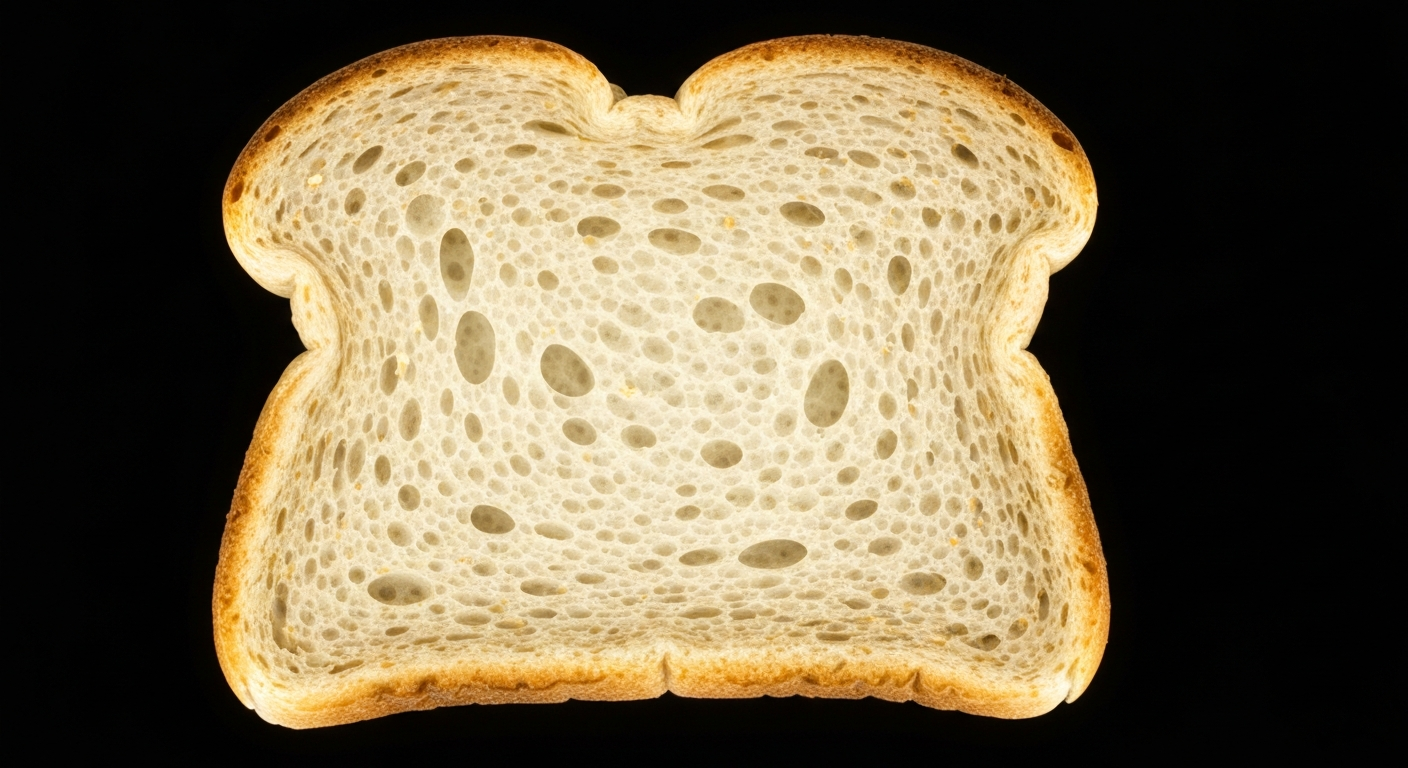 An X-ray view exposes the dense, fibrous structure of whole wheat bread, highlighting its nutritional advantages over refined, gluten-free options.Loma Linda Today
While gluten-free bread is essential for those with celiac disease or gluten sensitivity, experts say there is no inherent health benefit to choosing gluten-free bread over whole wheat bread if you don't have a medical reason to avoid gluten. In fact, whole wheat bread may be slightly healthier as it is less processed and retains more beneficial nutrients like fiber, protein, and minerals.
Why it matters
With the rise in gluten-free diets, many consumers may be confused about whether gluten-free or whole wheat bread is the healthier choice. Understanding the nutritional differences can help people make informed decisions about the best bread options for their individual needs and health goals.
The details
Gluten-free bread is made with flours and starches that do not contain gluten, the protein found in wheat, barley, and rye. Many gluten-free breads rely on refined starches like tapioca or potato starch, though some are made with whole-grain flours. Whole wheat bread, on the other hand, is made from the entire grain, including the nutrient-rich bran and germ. Whole wheat bread is higher in fiber, protein, B vitamins, and minerals compared to refined flour breads, both gluten-free and gluten-containing.
- The rise in gluten-free bread options came about as more people were diagnosed with celiac disease and irritable bowel syndrome.
The players
Destini Moody
A registered dietitian nutritionist at VNutrition.
Sapna Peruvemba
A plant-based registered dietitian nutritionist in Loma Linda, California.
What they’re saying
“Gluten-free bread is essential for people with celiac disease, wheat allergy, or medically diagnosed gluten sensitivity.”
— Sapna Peruvemba, Plant-based registered dietitian nutritionist
“For many people, the perceived benefits of cutting out gluten come from reducing intake of highly refined processed foods, like pastries, crackers, or white bread, rather than avoiding gluten itself.”
— Sapna Peruvemba, Plant-based registered dietitian nutritionist
“Choosing whole grain foods, even gluten-containing ones, is often more important for overall health.”
— Sapna Peruvemba, Plant-based registered dietitian nutritionist
The takeaway
Unless you have a medical reason to avoid gluten, whole wheat bread is the healthier choice over gluten-free bread due to its higher fiber, protein, and mineral content. Focusing on whole grain options, whether gluten-free or not, is the most important factor for overall health.