- Today
- Holidays
- Birthdays
- Reminders
- Cities
- Atlanta
- Austin
- Baltimore
- Berwyn
- Beverly Hills
- Birmingham
- Boston
- Brooklyn
- Buffalo
- Charlotte
- Chicago
- Cincinnati
- Cleveland
- Columbus
- Dallas
- Denver
- Detroit
- Fort Worth
- Houston
- Indianapolis
- Knoxville
- Las Vegas
- Los Angeles
- Louisville
- Madison
- Memphis
- Miami
- Milwaukee
- Minneapolis
- Nashville
- New Orleans
- New York
- Omaha
- Orlando
- Philadelphia
- Phoenix
- Pittsburgh
- Portland
- Raleigh
- Richmond
- Rutherford
- Sacramento
- Salt Lake City
- San Antonio
- San Diego
- San Francisco
- San Jose
- Seattle
- Tampa
- Tucson
- Washington
Indio Today
By the People, for the People
Africa's Talent Return: The Nationality-Switch Wave Before World Cup 2026
Why Europe-raised stars are choosing Africa—and why it matters now more than ever?
Apr. 10, 2026 at 4:18am
Got story updates? Submit your updates here. ›
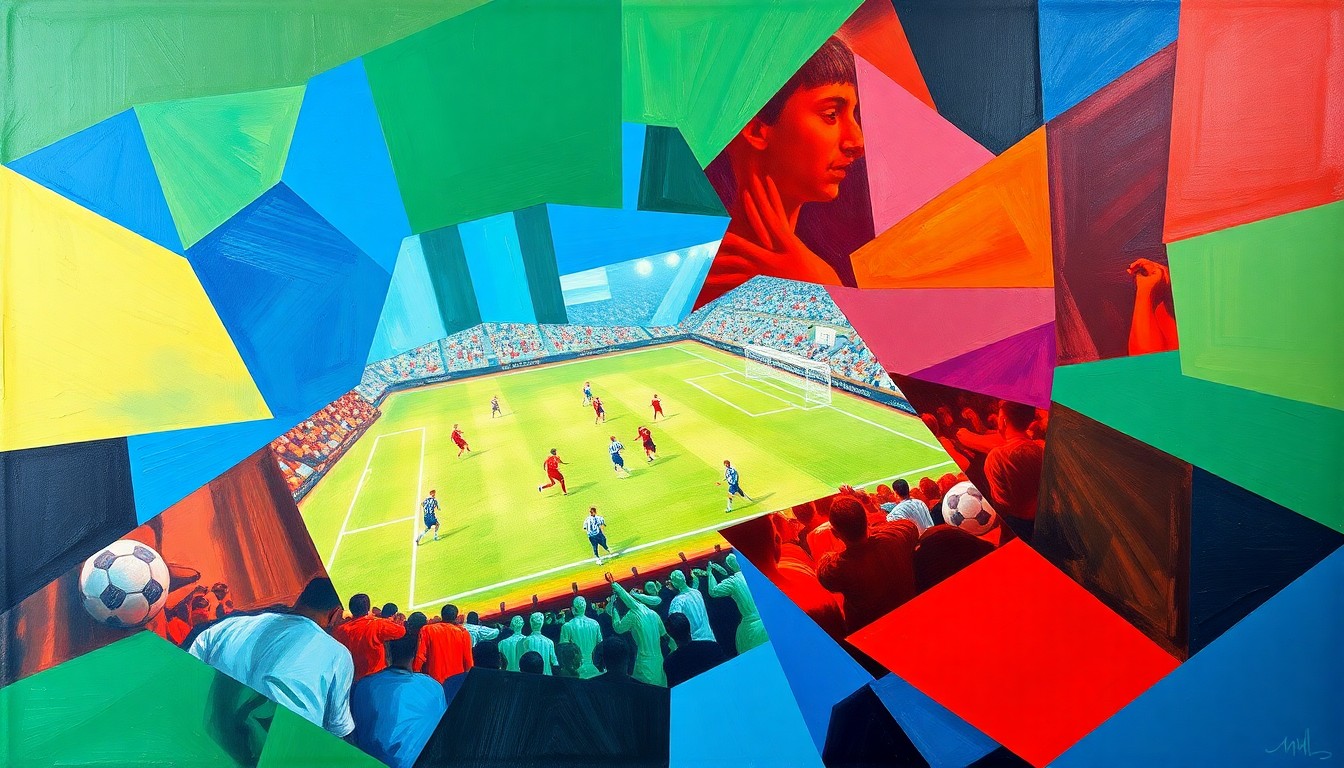 The nationality-switch trend is reshaping the global soccer landscape, as top talents choose to represent their ancestral African countries over European nations.Indio Today
The 2026 FIFA World Cup will feature four first-time teams: Uzbekistan, Jordan, Cape Verde, and Curaçao. This article provides a clear, updated guide to each debut nation and explains why their arrival matters ahead of the upcoming tournament.
Why it matters
The influx of Europe-raised players switching their national allegiance to African teams is a significant trend leading up to the 2026 World Cup. This shift highlights the growing talent pool and global appeal of African football, which could shake up the traditional power dynamics in international competition.
The details
Several high-profile players who were born or raised in Europe have opted to represent African national teams for the 2026 World Cup, including Senegalese-French midfielder Mamadou Diallo and Ghanaian-German forward Jamal Essiedu. This nationality-switching wave reflects the increasing competitiveness of African football and the desire of these players to be part of the continent's rising talent.
- The 2026 FIFA World Cup will take place in June and July of 2026.
- Several players have switched their national allegiance to African teams in the lead-up to the tournament.
The players
Mamadou Diallo
A Senegalese-French midfielder who has opted to represent Senegal's national team for the 2026 World Cup.
Jamal Essiedu
A Ghanaian-German forward who has chosen to play for Ghana's national team in the 2026 World Cup.
What they’re saying
“This nationality-switching wave reflects the increasing competitiveness of African football and the desire of these players to be part of the continent's rising talent.”
— Larry Mimosa, Author
The takeaway
The influx of Europe-raised players choosing to represent African national teams ahead of the 2026 World Cup highlights the growing global appeal and competitiveness of African football. This trend could lead to a shakeup of traditional power dynamics in international competition, as the debut of four new teams at the tournament further diversifies the global game.