- Today
- Holidays
- Birthdays
- Reminders
- Cities
- Atlanta
- Austin
- Baltimore
- Berwyn
- Beverly Hills
- Birmingham
- Boston
- Brooklyn
- Buffalo
- Charlotte
- Chicago
- Cincinnati
- Cleveland
- Columbus
- Dallas
- Denver
- Detroit
- Fort Worth
- Houston
- Indianapolis
- Knoxville
- Las Vegas
- Los Angeles
- Louisville
- Madison
- Memphis
- Miami
- Milwaukee
- Minneapolis
- Nashville
- New Orleans
- New York
- Omaha
- Orlando
- Philadelphia
- Phoenix
- Pittsburgh
- Portland
- Raleigh
- Richmond
- Rutherford
- Sacramento
- Salt Lake City
- San Antonio
- San Diego
- San Francisco
- San Jose
- Seattle
- Tampa
- Tucson
- Washington
Glendale Today
By the People, for the People
CNN Panel Erupts Over Criticism of 'Hollywood Jackasses' at Awards Shows
A Republican panelist slammed celebrities for using award show speeches to share political views.
Feb. 3, 2026 at 9:47am
Got story updates? Submit your updates here. ›
A CNN panel discussion on celebrity political commentary at the Grammy Awards turned heated, with a Republican panelist criticizing 'Hollywood jackasses' like Billie Eilish for using their platform to share political views. The panel debated whether celebrities should use awards shows to voice their opinions, with some arguing it's an exercise of free speech and others saying celebrities should 'enter the arena' of politics if they want to have a say.
Why it matters
This debate highlights the ongoing tension between celebrities using their platforms to advocate for political and social causes, and the view that they should stick to their artistic work and not lecture the public. As celebrities become more outspoken, it raises questions about the role of fame and influence in shaping political discourse.
The details
During the CNN panel, Republican Chris Madel criticized Billie Eilish for saying 'no one is illegal on stolen land' in her Grammys acceptance speech, telling her to 'turn her keys back to her multimillion-dollar mansion.' Democratic panelist Christine Quinn pushed back, arguing that people do care what celebrities say. Other panelists weighed in, with some saying political speeches at awards shows are 'white noise' and others defending celebrities' right to free speech.
- Billie Eilish made her political comments during her acceptance speech at the 2026 Grammy Awards on February 2.
The players
Chris Madel
A former Republican gubernatorial candidate in Minnesota who ended his campaign after a second protester was shot during an immigration enforcement operation.
Billie Eilish
A Grammy-winning singer who spoke out about 'stolen land' and said 'f--- ICE' during her acceptance speech.
Christine Quinn
A former Democratic speaker on the New York City Council who defended celebrities' right to share political views.
Joe Borelli
A former Republican leader on the New York City Council who called political speeches at award shows 'white noise.'
Keith Boykin
A former Clinton White House aide who argued that Donald Trump was the biggest celebrity in the country.
What they’re saying
“I also get a little tired of Hollywood jackasses coming out and telling us what to think.”
— Chris Madel, Former Republican gubernatorial candidate
“Billie Eilish telling me that, you know, that it's stolen land? I'd love to see her turn her keys back to her multimillion-dollar mansion to whomever's going to come over and — and say that.”
— Chris Madel, Former Republican gubernatorial candidate
“Many people do care what celebrities say. If they didn't care what celebrities say, why would both Republicans and Democrats often try to get celebrity endorsements?”
— Christine Quinn, Former Democratic speaker, New York City Council
“Billie Eilish, I looked it up, the city of Glendale is having city council elections in June. You want to talk about stolen lands? You want to have an opinion? Enter the arena! Get out there on a debate, do a town hall!”
— Joe Borelli, Former Republican leader, New York City Council
“They're given a platform! And it's really nice to see the First Amendment being exercised. It's been a — I think it's been very many months of oppressed, oppressed speech, and I actually like that they went back and used their platform to speak out.”
— Stacey Schneider, Criminal defense trial lawyer
What’s next
The debate over celebrities' political activism is likely to continue, with both supporters and critics weighing in on the appropriate role of fame and influence in shaping public discourse.
The takeaway
This incident highlights the ongoing tension between celebrities using their platforms to advocate for causes, and the view that they should stick to their artistic work and not lecture the public. As celebrities become more outspoken, it raises complex questions about the intersection of fame, free speech, and political influence.
Glendale top stories


Glendale events
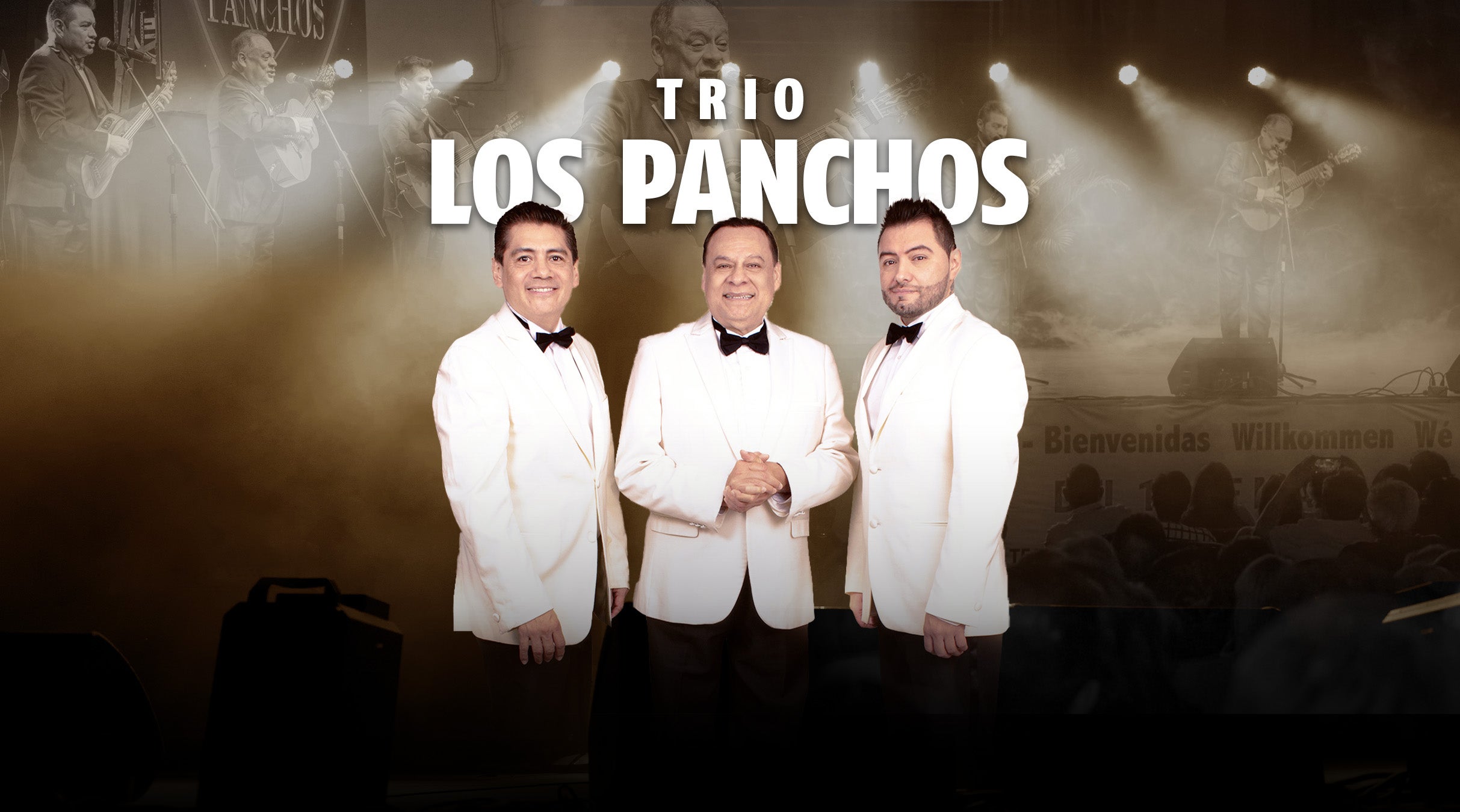
Apr. 10, 2026
Trio Los Panchos