- Today
- Holidays
- Birthdays
- Reminders
- Cities
- Atlanta
- Austin
- Baltimore
- Berwyn
- Beverly Hills
- Birmingham
- Boston
- Brooklyn
- Buffalo
- Charlotte
- Chicago
- Cincinnati
- Cleveland
- Columbus
- Dallas
- Denver
- Detroit
- Fort Worth
- Houston
- Indianapolis
- Knoxville
- Las Vegas
- Los Angeles
- Louisville
- Madison
- Memphis
- Miami
- Milwaukee
- Minneapolis
- Nashville
- New Orleans
- New York
- Omaha
- Orlando
- Philadelphia
- Phoenix
- Pittsburgh
- Portland
- Raleigh
- Richmond
- Rutherford
- Sacramento
- Salt Lake City
- San Antonio
- San Diego
- San Francisco
- San Jose
- Seattle
- Tampa
- Tucson
- Washington
Rabies-Infected Bat Found in Fremont Neighborhood
Health officials urge residents to take precautions after a dead bat tests positive for the deadly virus.
Apr. 6, 2026 at 6:40pm
Got story updates? Submit your updates here. ›
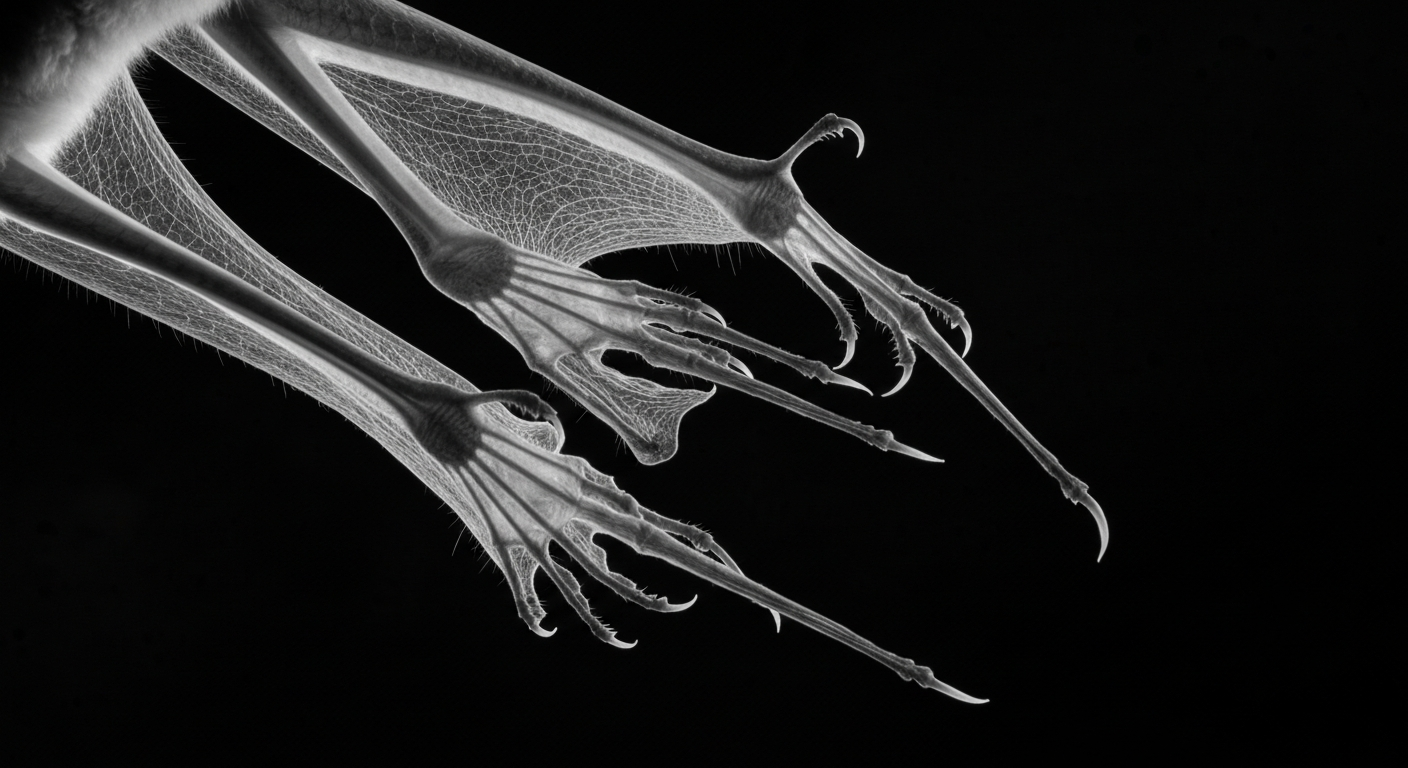 An X-ray image reveals the intricate anatomy of a bat, a reminder of the potential health risks posed by these nocturnal creatures.Fremont Today
Health officials in Fremont, California, have confirmed that a dead bat discovered in the Glenmoor neighborhood tested positive for the rabies virus. The bat was first found at a residence on Logan Drive on March 29, 2026, and following testing, the Alameda County Public Health Department confirmed the positive rabies result on April 1, 2026. As of April 2, 2026, the Fremont Police Department stated that no humans or other animals were exposed to the virus in connection with this incident.
Why it matters
Rabies is a fatal viral disease that attacks the brain and central nervous system, and it is transmitted through the bites and scratches of an infected animal. While rabies is preventable if the exposed individual or animal receives a series of rabies vaccine shots as soon as possible after the exposure occurs, it is critical for the community to be aware of any potential rabies outbreaks in order to take the necessary precautions.
The details
Alameda County Vector Control is serving as the lead agency for the investigation. To ensure community awareness, staff members are conducting door-to-door notifications within the Glenmoor neighborhood where the bat was located. Health officials are urging residents to avoid touching or handling any wildlife, ensure all pets are current on their rabies vaccinations, keep pets confined to their own property, and report any animals that appear ill or exhibit difficulty walking or flying to Vector Control for testing.
- The bat was first found at a residence on Logan Drive on March 29, 2026.
- On March 31, 2026, Alameda County Vector Control staff responded to the home to collect the animal for testing.
- The Alameda County Public Health Department confirmed the positive rabies result on April 1, 2026.
- As of April 2, 2026, the Fremont Police Department stated that no humans or other animals were exposed to the virus in connection with this incident.
The players
Alameda County Vector Control
The lead agency for the investigation and responsible for conducting door-to-door notifications within the Glenmoor neighborhood.
Alameda County Public Health Department
Confirmed the positive rabies result for the dead bat found in Fremont.
Fremont Police Department
Stated that no humans or other animals were exposed to the rabies virus in connection with this incident.
Valerie Ahlgren
An official from Alameda County Vector Control who explained the process of collecting the bat for rabies testing.
What they’re saying
“We picked it up for rabies testing as part of a normal protocol and it came back positive for rabies on April 1.”
— Valerie Ahlgren, Alameda County Vector Control
What’s next
Authorities have provided specific contact channels for those who may have been exposed to the rabid bat on Logan Drive. Any person who believes they touched or were bitten by this specific bat is advised to seek immediate medical care from a health provider and contact the Alameda County Public Health Acute Communicable Disease Program. Pet owners whose animals may have had contact with a bat in the Glenmoor area are instructed to contact their veterinarian immediately and notify Fremont Animal Services.
The takeaway
This incident highlights the importance of being vigilant about potential rabies outbreaks in the community and taking the necessary precautions to protect both human and animal health. By following the guidance from local health authorities, residents can help prevent the spread of this deadly virus.