- Today
- Holidays
- Birthdays
- Reminders
- Cities
- Atlanta
- Austin
- Baltimore
- Berwyn
- Beverly Hills
- Birmingham
- Boston
- Brooklyn
- Buffalo
- Charlotte
- Chicago
- Cincinnati
- Cleveland
- Columbus
- Dallas
- Denver
- Detroit
- Fort Worth
- Houston
- Indianapolis
- Knoxville
- Las Vegas
- Los Angeles
- Louisville
- Madison
- Memphis
- Miami
- Milwaukee
- Minneapolis
- Nashville
- New Orleans
- New York
- Omaha
- Orlando
- Philadelphia
- Phoenix
- Pittsburgh
- Portland
- Raleigh
- Richmond
- Rutherford
- Sacramento
- Salt Lake City
- San Antonio
- San Diego
- San Francisco
- San Jose
- Seattle
- Tampa
- Tucson
- Washington
Autism Brain Donation Awareness Lags Despite Public Support for Research
Survey finds most Americans don't know brain donation is key to advancing autism science
Apr. 9, 2026 at 2:19am
Got story updates? Submit your updates here. ›
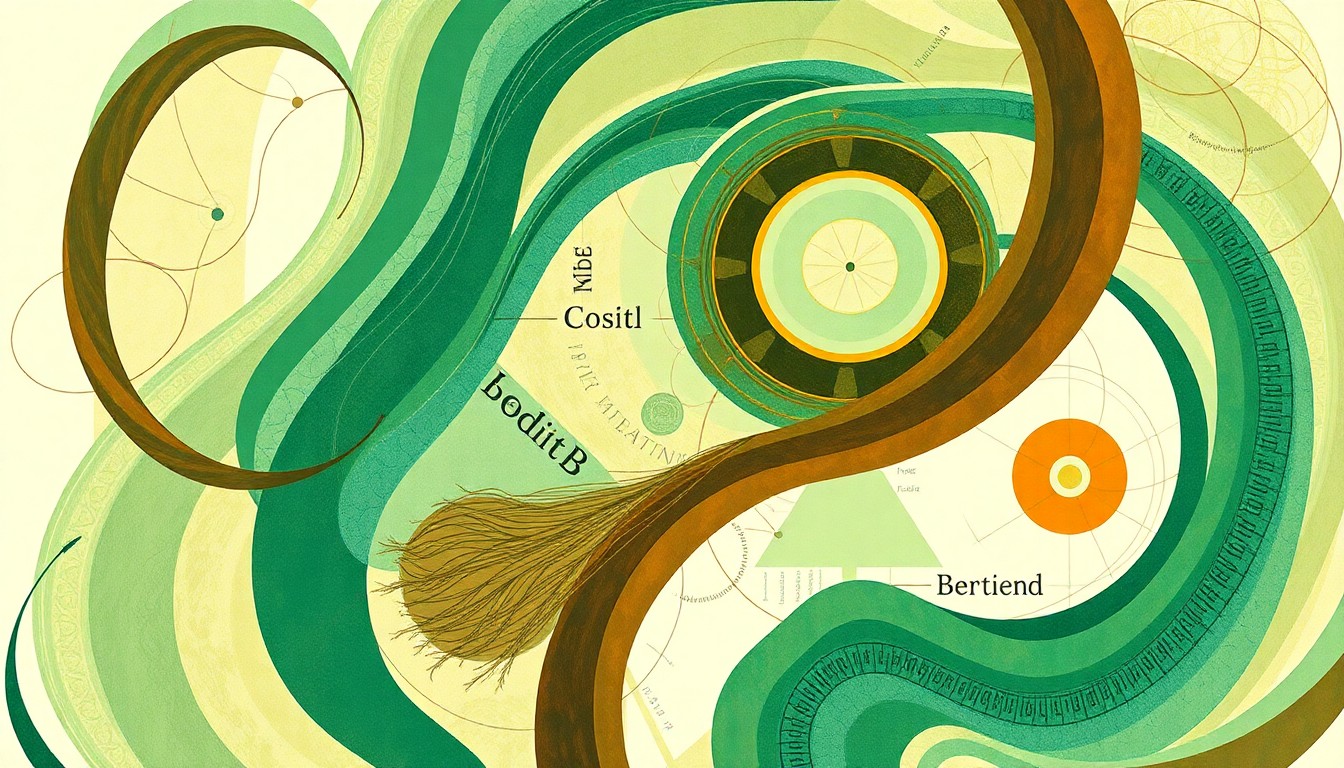 Brain donation is a critical but often overlooked component of advancing autism research and understanding the biological basis of neurodevelopmental disorders.Davis Today
A new survey by Autism BrainNet reveals a striking disconnect between public support for autism research and awareness of the critical role brain donation after death plays in enabling that research. While 92% of respondents believe studying the autistic brain is extremely or very important, 70% said they had never heard of brain donation. The findings highlight widespread confusion about the brain donation process and how it differs from organ donation.
Why it matters
For researchers studying autism and related neurodevelopmental conditions, postmortem brain tissue is an irreplaceable scientific resource that cannot be replicated through other means. Increasing public awareness and participation in brain donation is essential to advancing autism research and understanding the biological causes of the disorder.
The details
The survey, conducted in February-March 2026 with 1,007 respondents, found that while over 80% are familiar with organ donation, only 15% know brain donation is a separate process not included in organ donor registries. Fewer than half knew brain donation must occur within hours after death, not days or weeks later. Nearly one-third incorrectly thought certain conditions like autism or epilepsy would prevent someone from donating, when in fact these individuals are especially valuable to researchers.
- The survey was conducted from February 26 to March 2, 2026.
The players
Autism BrainNet
A research organization that facilitates brain donation to advance scientific discoveries about autism and related neurodevelopmental conditions.
David G. Amaral, Ph.D.
The Scientific Director of Autism BrainNet and a UC Davis Distinguished Professor.
Kathy Stein
The sister of an autistic individual who donated her brother's brain to Autism BrainNet after his passing.
Alycia Halladay, Ph.D.
The Chief Science Officer of the Autism Science Foundation, who will join Amaral for an upcoming Reddit AMA on brain donation.
What they’re saying
“For researchers who study autism and related neurodevelopmental conditions, postmortem brain tissue is a critical scientific resource that cannot be replicated by artificial intelligence, imaging technologies, or even animal experiments.”
— David G. Amaral, Scientific Director of Autism BrainNet and UC Davis Distinguished Professor
“When he passed, I donated his brain because it is a positive way to acknowledge what a wonderful person he was and to extend his legacy. Imagine how much we can learn about the biological causes of autism and related neurodegenerative disorders through his contribution.”
— Kathy Stein
What’s next
Autism BrainNet will host an 'Ask Me Anything' session on Reddit during Autism Acceptance Month on April 29 from 12-2pm ET. Dr. David Amaral and Dr. Alycia Halladay will answer questions about brain donation, including how to become a donor and what the process involves.
The takeaway
This survey highlights the critical need to improve public education and awareness around brain donation, which is essential for advancing autism research and understanding the biological underpinnings of the disorder. By donating their loved ones' brains, families can make an invaluable contribution to scientific progress.