- Today
- Holidays
- Birthdays
- Reminders
- Cities
- Atlanta
- Austin
- Baltimore
- Berwyn
- Beverly Hills
- Birmingham
- Boston
- Brooklyn
- Buffalo
- Charlotte
- Chicago
- Cincinnati
- Cleveland
- Columbus
- Dallas
- Denver
- Detroit
- Fort Worth
- Houston
- Indianapolis
- Knoxville
- Las Vegas
- Los Angeles
- Louisville
- Madison
- Memphis
- Miami
- Milwaukee
- Minneapolis
- Nashville
- New Orleans
- New York
- Omaha
- Orlando
- Philadelphia
- Phoenix
- Pittsburgh
- Portland
- Raleigh
- Richmond
- Rutherford
- Sacramento
- Salt Lake City
- San Antonio
- San Diego
- San Francisco
- San Jose
- Seattle
- Tampa
- Tucson
- Washington
Gene Switch in Brain May Explain Varied Paternal Behaviors in Mice
Study finds Agouti gene activity in brain region linked to nurturing or aggressive behaviors in African striped mouse fathers.
Mar. 12, 2026 at 7:34pm
Got story updates? Submit your updates here. ›
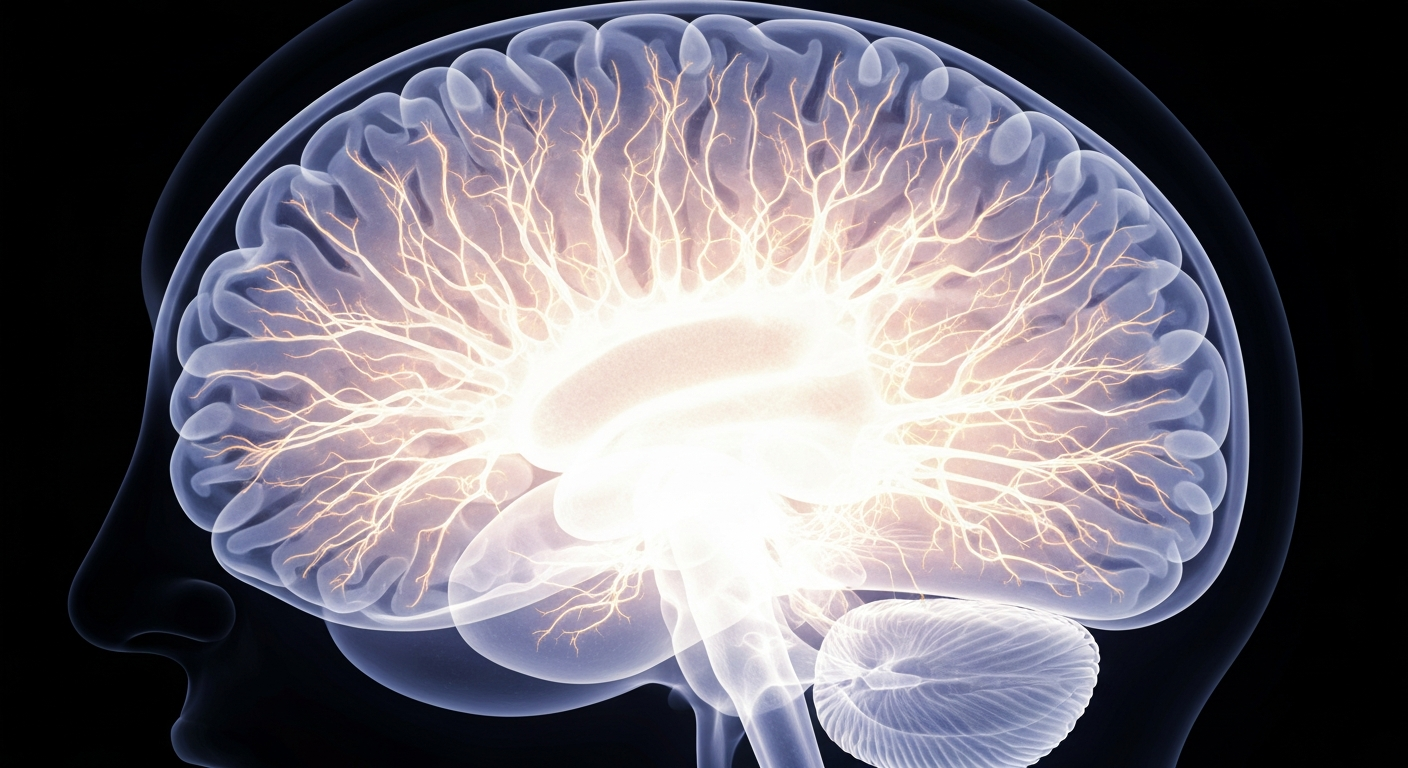
New research published in Nature reveals a surprising link between the Agouti gene, social environment, and paternal care in African striped mice. The study found that increased activity of the Agouti gene in the medial preoptic area (MPOA) of the brain was associated with aggressive behavior towards pups, while decreased Agouti activity was linked to nurturing behaviors. Interestingly, male mice housed in groups tended to be more aggressive, but the same males exhibited more paternal care when isolated, coinciding with a decrease in Agouti expression.
Why it matters
The findings challenge long-held assumptions about the biological basis of fatherhood and have broader implications for understanding the neural and genetic mechanisms that drive paternal behavior across species, including humans. The study highlights the plasticity of paternal behavior and suggests that interventions aimed at promoting positive father-child relationships could potentially target these underlying neural pathways.
The details
Researchers at Princeton University discovered that the activity of the Agouti gene in the medial preoptic area (MPOA) of the brain, a region known to be crucial for maternal behavior, correlated with paternal behavior in African striped mice. Surprisingly, increased Agouti activity was linked to aggression, while decreased activity was associated with nurturing. The study also revealed that male African striped mice housed in groups tended to be aggressive towards pups, but when isolated, they exhibited significantly more paternal care, coinciding with a decrease in Agouti expression in the MPOA. Artificially increasing Agouti activity in the MPOA of nurturing males led to a dramatic change in behavior, with them becoming indifferent to or even attacking the pups.
- The study was published in Nature on March 12, 2026.
The players
African striped mice
A species of mouse that displays a wide range of paternal behaviors, from attentive grooming to outright aggression towards their pups, making them an ideal model for studying the factors influencing paternal behavior.
Princeton University
The institution where the researchers who conducted the study are based.
Agouti gene
A gene that the study found to be a key regulator of paternal behavior in African striped mice, with increased activity linked to aggression and decreased activity associated with nurturing.
Medial preoptic area (MPOA)
A brain region already known to be crucial for maternal behavior, which the study found to be involved in paternal behavior as well.
Sarah Hrdy
An anthropologist at the University of California, Davis who was not involved in the study but provided commentary on the findings.
What they’re saying
“Many of the same neural responses... that are beginning to be so well documented for maternal behavior, those same brain regions are at work in males as well.”
— Sarah Hrdy, Anthropologist
“This animal has evolved the ability to capture in information from its environment and to regulate its behaviors that are often energetically demanding.”
— Ricardo Mallarino, Evolutionary developmental biologist
What’s next
Future research could explore the role of epigenetics in shaping paternal behavior, as well as investigate other genes involved in the neural circuitry underlying fatherhood. Comparative studies across different mammalian species could also reveal how paternal care evolved and the genetic adaptations that facilitated it.
The takeaway
The discovery of the Agouti gene's role in regulating paternal behavior in African striped mice challenges long-held assumptions and provides valuable insights into the biological basis of fatherhood. These findings could inform future research on human fathers and the development of interventions to promote positive father-child relationships.