- Today
- Holidays
- Birthdays
- Reminders
- Cities
- Atlanta
- Austin
- Baltimore
- Berwyn
- Beverly Hills
- Birmingham
- Boston
- Brooklyn
- Buffalo
- Charlotte
- Chicago
- Cincinnati
- Cleveland
- Columbus
- Dallas
- Denver
- Detroit
- Fort Worth
- Houston
- Indianapolis
- Knoxville
- Las Vegas
- Los Angeles
- Louisville
- Madison
- Memphis
- Miami
- Milwaukee
- Minneapolis
- Nashville
- New Orleans
- New York
- Omaha
- Orlando
- Philadelphia
- Phoenix
- Pittsburgh
- Portland
- Raleigh
- Richmond
- Rutherford
- Sacramento
- Salt Lake City
- San Antonio
- San Diego
- San Francisco
- San Jose
- Seattle
- Tampa
- Tucson
- Washington
Coloma Today
By the People, for the People
Trains Resume Service After Coloma Flood Damage
Tracks repaired after heavy rains washed out roadbed beneath rail lines.
Apr. 7, 2026 at 3:34am
Got story updates? Submit your updates here. ›
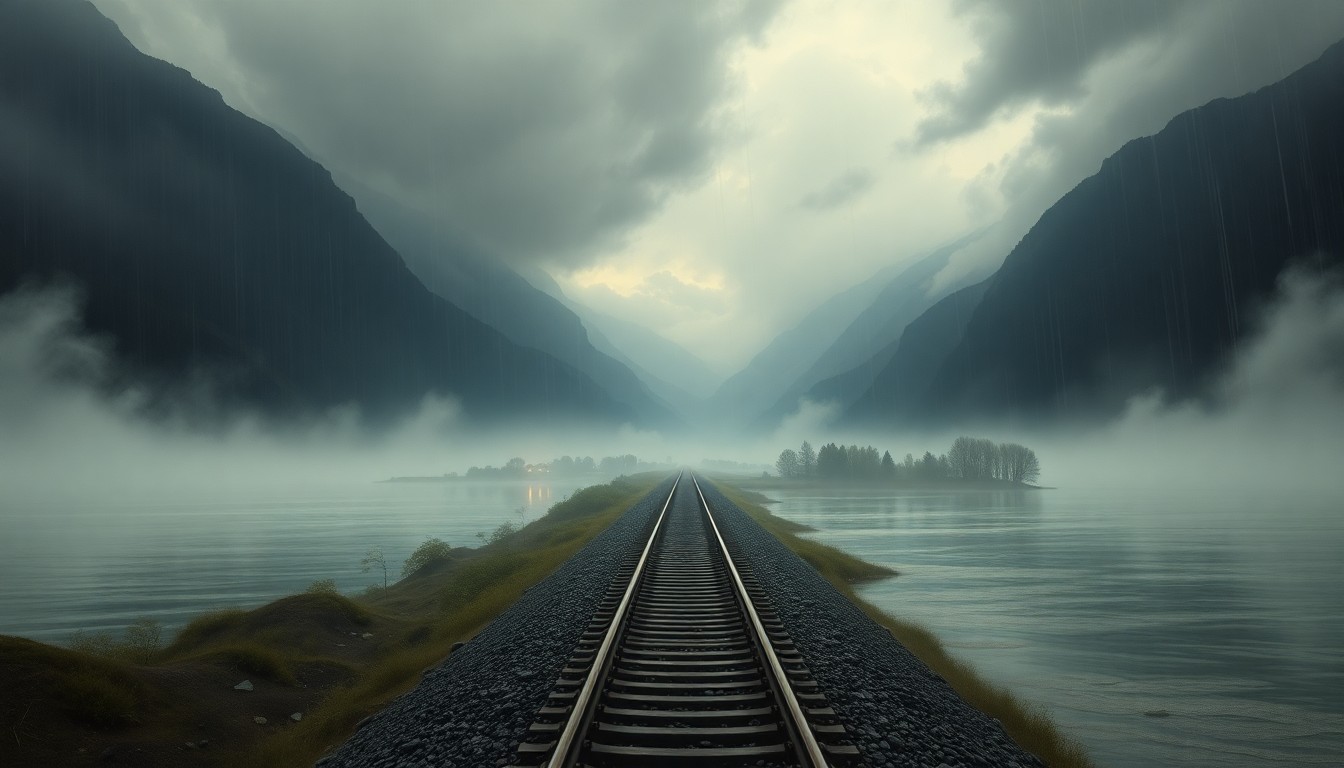 A powerful storm system overwhelms the rail infrastructure, but repair crews work swiftly to restore service and connectivity.Coloma Today
Train service has resumed in the town of Coloma, California, after heavy rainfall and flooding washed away the roadbed beneath the tracks, causing significant damage. Repair crews worked quickly to restore the tracks, allowing trains to once again move through the area.
Why it matters
The rail line through Coloma is a critical transportation link, and the damage caused by the floods threatened to disrupt regional travel and commerce. The swift repair effort was important to minimize the impact on the local community and economy.
The details
Intense rainfall over several days caused the nearby river to overflow its banks, eroding the ground beneath the train tracks and leaving the rails unsupported. This forced the suspension of all rail service through Coloma until crews could stabilize the roadbed and make the necessary repairs.
- Heavy rains began on April 4th, 2026, causing the river to flood.
- On April 5th, the floodwaters washed away the roadbed beneath the tracks, forcing a halt to train service.
- Repair crews worked around the clock, and train service was restored on April 7th.
The players
Coloma
A small town in California where the damaged rail line is located.
Repair Crews
The teams of workers who quickly restored the tracks after the flood damage.
What’s next
Authorities will continue to monitor the area for any additional flood risks or damage to the repaired rail infrastructure.
The takeaway
The swift response and repair of the damaged rail line in Coloma demonstrates the importance of maintaining critical transportation infrastructure, even in the face of extreme weather events.