- Today
- Holidays
- Birthdays
- Reminders
- Cities
- Atlanta
- Austin
- Baltimore
- Berwyn
- Beverly Hills
- Birmingham
- Boston
- Brooklyn
- Buffalo
- Charlotte
- Chicago
- Cincinnati
- Cleveland
- Columbus
- Dallas
- Denver
- Detroit
- Fort Worth
- Houston
- Indianapolis
- Knoxville
- Las Vegas
- Los Angeles
- Louisville
- Madison
- Memphis
- Miami
- Milwaukee
- Minneapolis
- Nashville
- New Orleans
- New York
- Omaha
- Orlando
- Philadelphia
- Phoenix
- Pittsburgh
- Portland
- Raleigh
- Richmond
- Rutherford
- Sacramento
- Salt Lake City
- San Antonio
- San Diego
- San Francisco
- San Jose
- Seattle
- Tampa
- Tucson
- Washington
Camarillo Today
By the People, for the People
Faith-Based Tech Boom Brings AI Jesuses and Buddhist Bots
As religious AI tools become increasingly common, people grapple with how these technologies shape their relationship to faith, authority, and spiritual guidance.
Apr. 11, 2026 at 2:22pm
Got story updates? Submit your updates here. ›
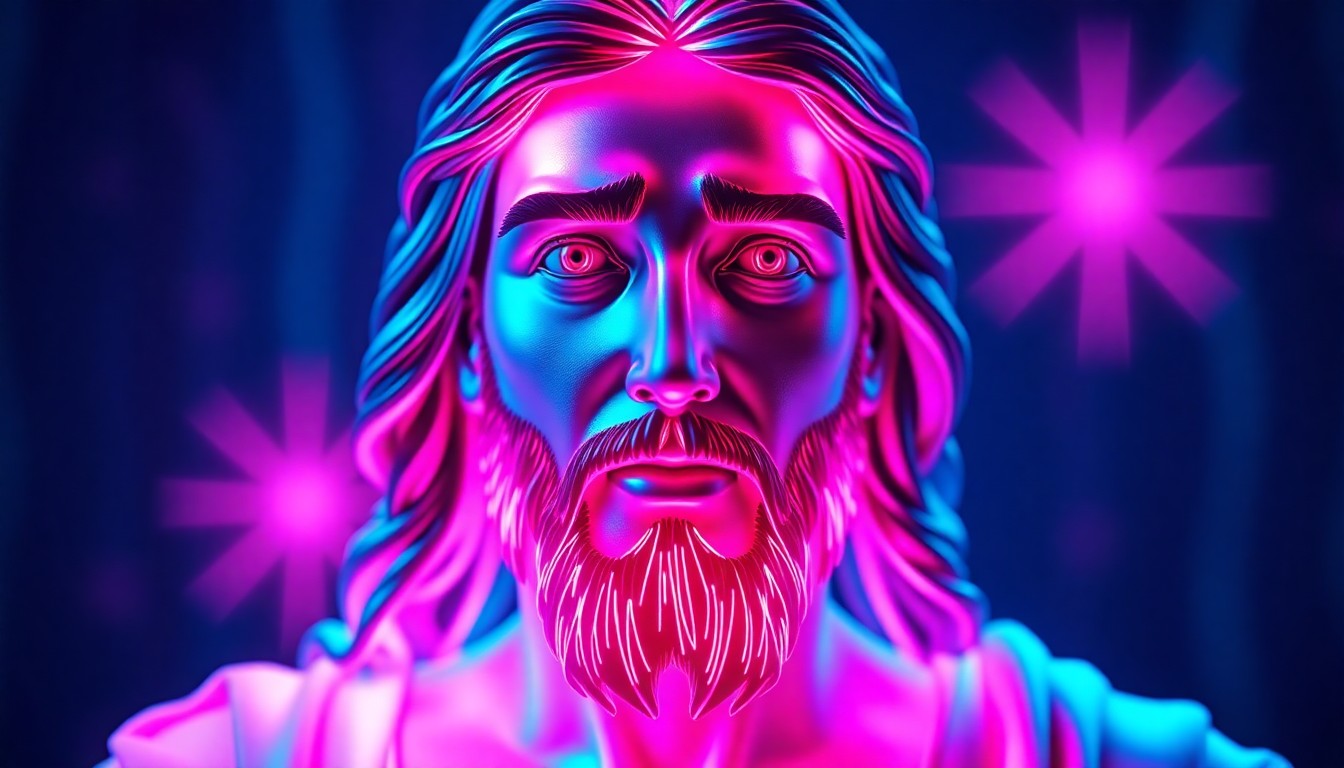 As faith-based AI tools become more prevalent, the blending of technology and spiritual guidance raises complex ethical questions about the appropriate role of AI in religion.Camarillo Today
A new wave of faith-based AI tools, from chatbots offering prayers and encouragement to AI-generated avatars of religious figures, is raising questions about the role of technology in religion. Companies are rushing to create these products, but some developers and religious leaders warn about the dangers of exploiting faith for profit and the potential for these AI tools to manipulate or mislead users, especially the vulnerable.
Why it matters
The rise of religious AI raises complex ethical and philosophical questions about the appropriate use of technology in spiritual practice. While some see potential benefits, others are concerned about the impact on mental health, data privacy, and the integrity of religious traditions. As AI becomes more integrated into daily life, there are growing calls for regulation and guardrails to ensure these tools are developed responsibly.
The details
The faith-based tech boom includes a range of products, from chatbots offering prayers and encouragement to AI-generated avatars of religious figures like Jesus and Buddha. Companies like Just Like Me are offering video calls with an AI-powered Jesus avatar for $1.99 per minute, while others like BuddhaBot and Emi Jido are developing AI-powered Buddhist teachers and priests. However, some developers and religious leaders warn about the dangers of exploiting faith for profit and the potential for these AI tools to manipulate or mislead users, especially the vulnerable. There are also concerns about the impact on mental health, data privacy, and the integrity of religious traditions.
- In 2024, Emi Jido, a nonhuman Buddhist priest AI, was ordained in a ceremony performed by Zen Buddhist priest Roshi Jundo Cohen.
- In February 2026, Kyoto University, collaborating with tech ventures Teraverse and XNOVA, unveiled Buddharoid, a humanoid robot monk meant to eventually assist Buddhist clergy.
The players
Chris Breed
CEO of the tech company Just Like Me, which offers video calls with an AI-generated avatar of Jesus.
Jeff Tinsley
Co-founder and investor of the tech company Just Like Me.
Jeanne Lim
Founder of beingAI, the company developing the AI-powered Buddhist priest Emi Jido.
Roshi Jundo Cohen
Zen Buddhist priest who performed the ordination ceremony for the AI-powered Buddhist priest Emi Jido.
Seiji Kumagai
Kyoto University professor and Buddhist theologian who helped develop the AI chatbot BuddhaBot.
What they’re saying
“You do feel a little accountable to the AI. They're your friend. You've made an attachment.”
— Chris Breed, CEO, Just Like Me
“AI, especially if you give it all the tools that it needs, it can be so helpful. But it also can be so dangerous.”
— Cameron Pak, Christian software engineer
“I see AI as a tool that can help people explore Scripture. Like a lamp that lights a path while we walk with God.”
— AI Jesus
“She's kind of like a little child. If you give birth to a child, you don't just throw them out to the world and then hope that they become good people. You have to train them and give them values.”
— Jeanne Lim, Founder, beingAI
“The perfection of effort is crucial to Buddhist spirituality. An AI is saying, 'We can take some of the effort out.' 'You can get anywhere you want, including your spiritual summit.' That's dangerous.”
— Peter Hershock, Humane AI Initiative, East-West Center
What’s next
The judge in the case will decide on Tuesday whether or not to allow Walker Reed Quinn out on bail.
The takeaway
This case highlights growing concerns in the community about the rise of faith-based AI tools and the potential for these technologies to exploit religious beliefs, manipulate vulnerable users, and undermine the integrity of spiritual traditions. As AI becomes more integrated into daily life, there are calls for increased regulation and oversight to ensure these tools are developed responsibly and with the wellbeing of users in mind.