- Today
- Holidays
- Birthdays
- Reminders
- Cities
- Atlanta
- Austin
- Baltimore
- Berwyn
- Beverly Hills
- Birmingham
- Boston
- Brooklyn
- Buffalo
- Charlotte
- Chicago
- Cincinnati
- Cleveland
- Columbus
- Dallas
- Denver
- Detroit
- Fort Worth
- Houston
- Indianapolis
- Knoxville
- Las Vegas
- Los Angeles
- Louisville
- Madison
- Memphis
- Miami
- Milwaukee
- Minneapolis
- Nashville
- New Orleans
- New York
- Omaha
- Orlando
- Philadelphia
- Phoenix
- Pittsburgh
- Portland
- Raleigh
- Richmond
- Rutherford
- Sacramento
- Salt Lake City
- San Antonio
- San Diego
- San Francisco
- San Jose
- Seattle
- Tampa
- Tucson
- Washington
The Top Sign of Bladder Cancer Doctors Say You Shouldn't Ignore
Plus, how to tell it apart from more common infections.
Apr. 8, 2026 at 5:55pm
Got story updates? Submit your updates here. ›
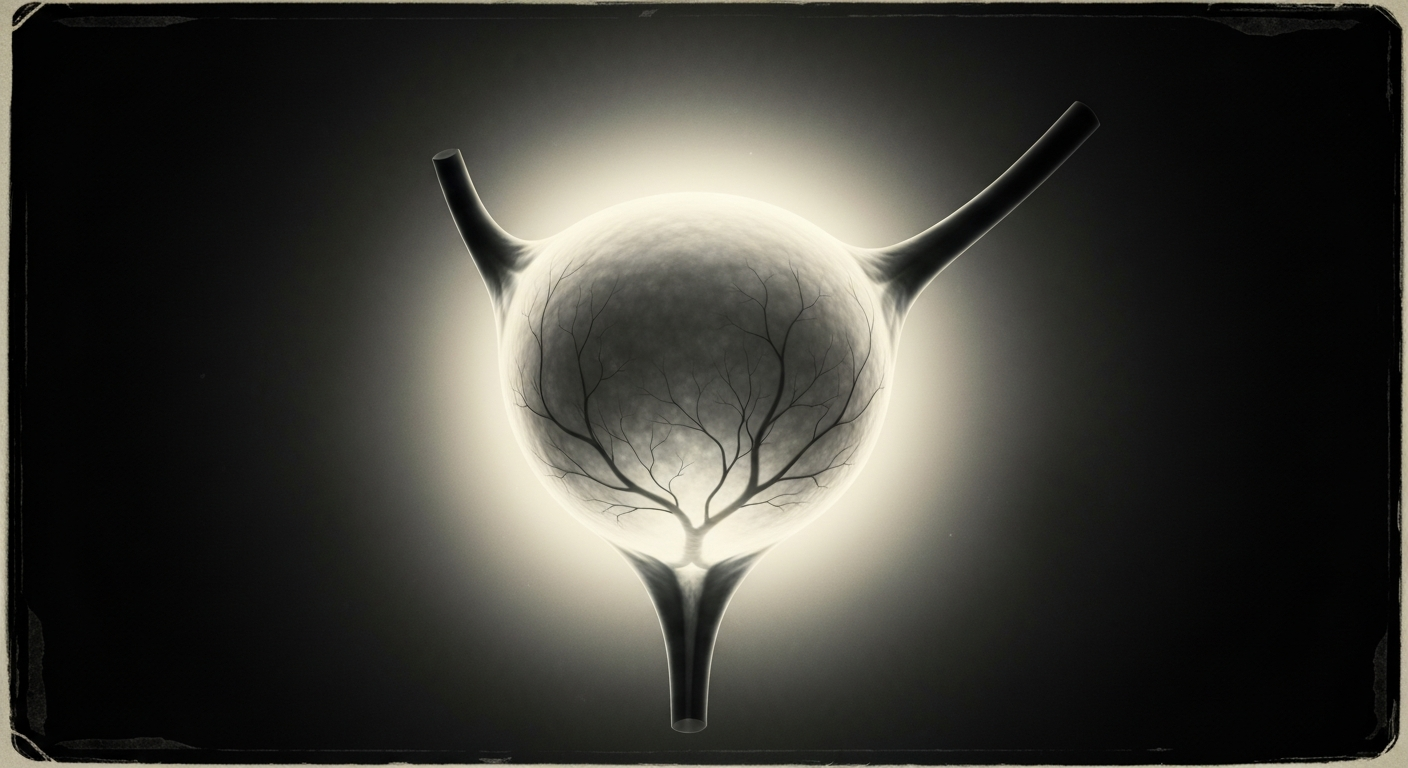 An X-ray view reveals the complex internal structure of the bladder, highlighting the importance of recognizing early warning signs of bladder cancer.Burbank Today
Bladder cancer is more common in older men, but it can also affect women. The most common type is urothelial carcinoma, which arises from the urothelium, a specialized cell layer on the inner surface of the urinary tract. The number-one sign of bladder cancer that should prompt a call to the doctor is 'gross painless hematuria,' or blood in the urine that is not associated with any pain.
Why it matters
Catching bladder cancer early is critical, as the survival rate is 98% when the initial cancer is caught before spreading. However, many people mistakenly think bladder cancer only affects older men, so it's important to be aware of the signs in both genders.
The details
Bladder tumors typically do not cause pain at first, unlike inflammatory and infectious conditions such as a kidney stone or urinary tract infection, which usually involve pain or burning with urination. Other symptoms that merit further investigation include feeling like you constantly need to pee or urinating more often in the absence of a urinary tract infection, especially if you have other risk factors for bladder cancer such as a family history or a history of smoking.
- Bladder cancer is more common in older men, but it can also affect women.
The players
Arjun Balar, M.D.
A medical oncologist and a senior vice president of global clinical development at Eli Lilly & Co.
Ramkishen Narayanan, M.D.
A urologist and urologic oncologist and director of the Center for Urologic Health at the Disney Family Cancer Center at Providence Medical Institute in Burbank, CA.
What they’re saying
“Many people mistakenly think bladder cancer is only a disease of older men. But there are more than 19,000 women who are diagnosed with this cancer every year in the United States.”
— Arjun Balar, M.D., medical oncologist and senior vice president of global clinical development at Eli Lilly & Co.
“This may involve a brief episode of bloody urine that stops and then returns several days or weeks later. This is a warning sign because inflammatory and infectious conditions such as a kidney stone or urinary tract infection typically involve pain or burning with urination. Bladder tumors, on the other hand, typically do not cause pain at first.”
— Ramkishen Narayanan, M.D., urologist and urologic oncologist, director of the Center for Urologic Health at the Disney Family Cancer Center at Providence Medical Institute
The takeaway
Knowing the number-one sign of bladder cancer - painless blood in the urine - can help people, especially women, catch the disease early when it is most treatable. Paying attention to any unusual urinary symptoms and getting them checked out promptly is crucial, as bladder cancer has a high survival rate when caught early.