- Today
- Holidays
- Birthdays
- Reminders
- Cities
- Atlanta
- Austin
- Baltimore
- Berwyn
- Beverly Hills
- Birmingham
- Boston
- Brooklyn
- Buffalo
- Charlotte
- Chicago
- Cincinnati
- Cleveland
- Columbus
- Dallas
- Denver
- Detroit
- Fort Worth
- Houston
- Indianapolis
- Knoxville
- Las Vegas
- Los Angeles
- Louisville
- Madison
- Memphis
- Miami
- Milwaukee
- Minneapolis
- Nashville
- New Orleans
- New York
- Omaha
- Orlando
- Philadelphia
- Phoenix
- Pittsburgh
- Portland
- Raleigh
- Richmond
- Rutherford
- Sacramento
- Salt Lake City
- San Antonio
- San Diego
- San Francisco
- San Jose
- Seattle
- Tampa
- Tucson
- Washington
The Ritual of Sitting in Your Car Before and After Work
Experts explain the psychological benefits and potential pitfalls of this common behavior.
Apr. 10, 2026 at 3:07pm
Got story updates? Submit your updates here. ›
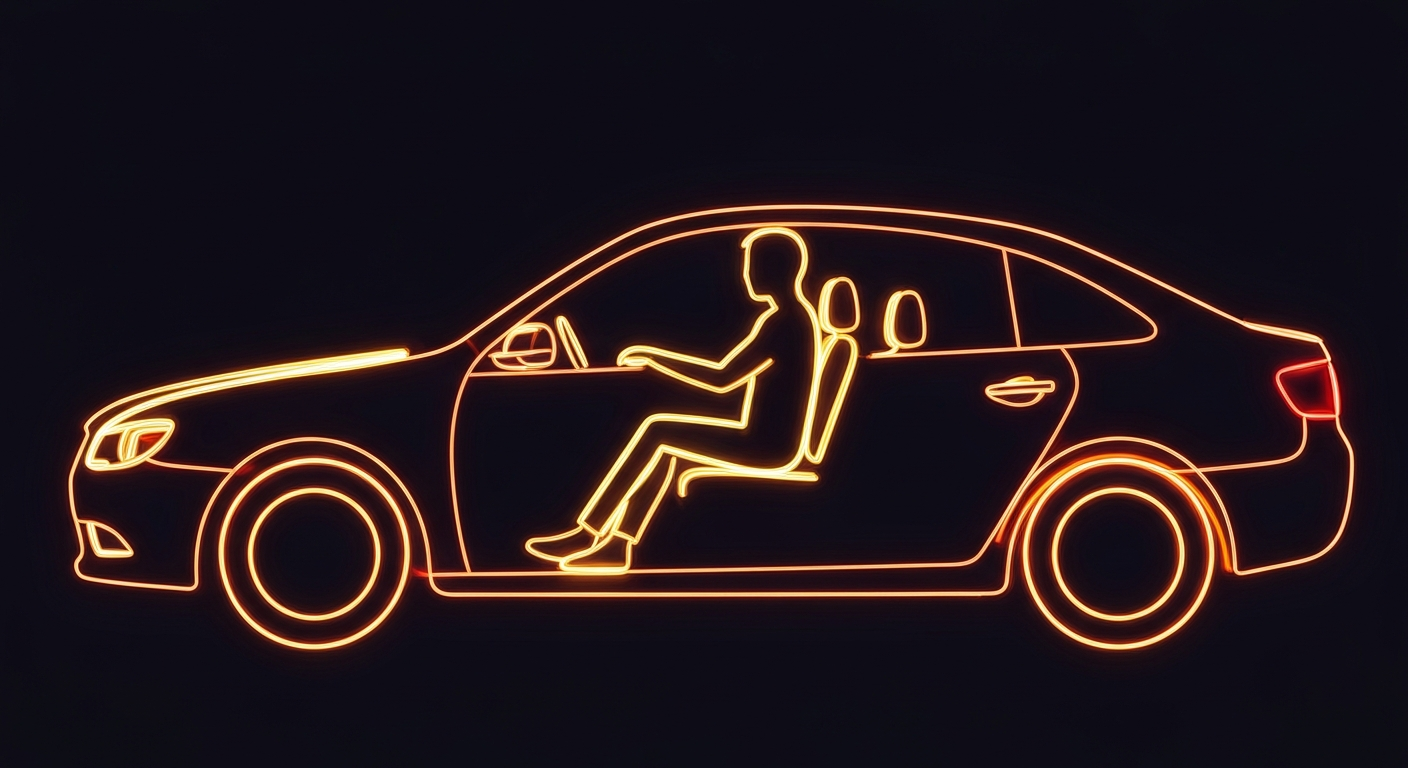 A brief pause in the car can provide a much-needed emotional reset between the demands of work and home.Beverly Hills Today
Many people have developed a habit of sitting in their cars for a few minutes before or after work, using the time to decompress, reset emotions, and prepare for the next part of their day. Psychologists say this can be a healthy practice, but it depends on how the time is spent. Mindlessly scrolling on a phone or ruminating on stressful thoughts may do more harm than good, while taking a few moments to slow down, breathe, and refocus can provide an important emotional reset.
Why it matters
In our fast-paced, information-saturated lives, finding small moments of pause and reflection can be crucial for mental health and well-being. The car provides a private, controlled space for people to take a brief break and transition between work and home, allowing them to be more intentional about how they show up in different parts of their day.
The details
Experts say the parked car acts as an "in-between space" that allows people to process emotions, recalibrate, and shake off the stresses of work before coming home. The car provides an environment where individuals have total control over factors like temperature and music, enabling them to create a calming, restorative experience. However, the benefits depend on how the time is spent - mindlessly scrolling on a phone or ruminating on negative thoughts may actually be counterproductive, while techniques like deep breathing or mentally planning how to approach the next activity can shift one's state in a more positive direction.
- People often sit in their cars for a few minutes to half an hour after arriving at their destination, whether that's home, work, the gym, or elsewhere.
The players
Jenny Taitz
A clinical psychologist who runs her own practice in Beverly Hills.
Anthony Vaccaro
A psychologist with the University of North Carolina at Chapel Hill.
Thuy-vy Nguyen
A psychologist with Durham University in England and the founder of Solitude Lab, which studies how being alone affects and rejuvenates us.
What they’re saying
“But if we can literally stop, like slow down, take a step back, observe, proceed mindfully, maybe like a few minutes to reset between activities, it kind of gives you an ability to be intentional.”
— Jenny Taitz, Clinical Psychologist
“By taking a brief little break, you can at least take a moment to relax and prepare before moving forward.”
— Anthony Vaccaro, Psychologist
“If you're in your car scrolling and thinking about something that's upsetting to you or ruminating, you know, in your head spiraling, the parked car is not a reset. It's the stressor.”
— Jenny Taitz, Clinical Psychologist
The takeaway
While the ritual of sitting in a parked car before or after work has become commonplace, it's important to be mindful of how that time is spent. When used intentionally as a brief emotional reset, it can improve mood, focus, and energy levels. But if the time is spent ruminating on stressful thoughts or mindlessly scrolling, it may do more harm than good. Finding ways to slow down, breathe, and refocus can help make these in-between moments truly restorative.