- Today
- Holidays
- Birthdays
- Reminders
- Cities
- Atlanta
- Austin
- Baltimore
- Berwyn
- Beverly Hills
- Birmingham
- Boston
- Brooklyn
- Buffalo
- Charlotte
- Chicago
- Cincinnati
- Cleveland
- Columbus
- Dallas
- Denver
- Detroit
- Fort Worth
- Houston
- Indianapolis
- Knoxville
- Las Vegas
- Los Angeles
- Louisville
- Madison
- Memphis
- Miami
- Milwaukee
- Minneapolis
- Nashville
- New Orleans
- New York
- Omaha
- Orlando
- Philadelphia
- Phoenix
- Pittsburgh
- Portland
- Raleigh
- Richmond
- Rutherford
- Sacramento
- Salt Lake City
- San Antonio
- San Diego
- San Francisco
- San Jose
- Seattle
- Tampa
- Tucson
- Washington
Nvidia Invests in RISC-V Startup SiFive to Diversify Chip Design
The move signals growing industry demand for open-source alternatives to Arm's licensing model.
Apr. 12, 2026 at 6:04am
Got story updates? Submit your updates here. ›
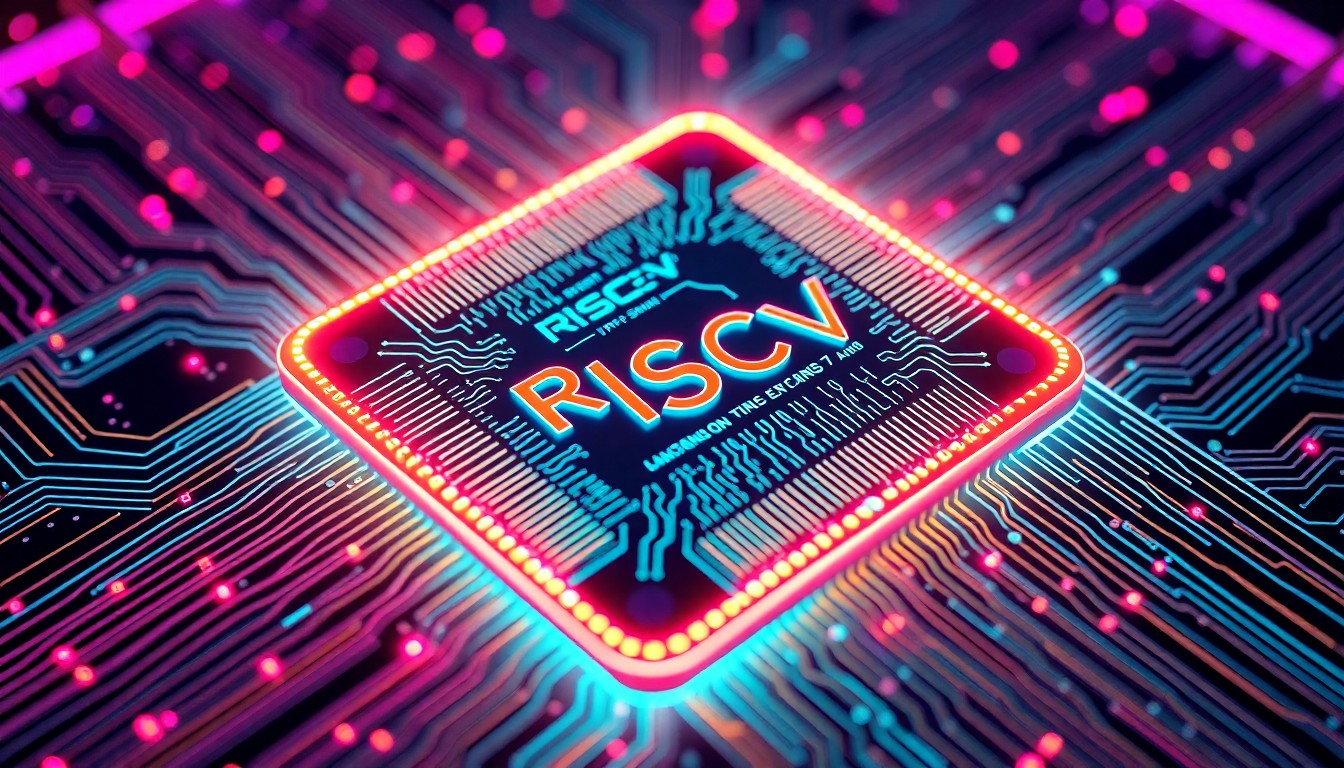 Nvidia's strategic investment in RISC-V startup SiFive signals the semiconductor industry's growing appetite for open-source chip design alternatives.Berkeley Today
Nvidia has made a strategic investment in SiFive, an 11-year-old startup pioneering CPU design on the open-source RISC-V architecture. This reflects Nvidia's interest in diversifying its chip supply chain and reducing reliance on Arm's licensing model, which has become a growing concern for many semiconductor companies.
Why it matters
Nvidia's backing of SiFive signals that even the world's leading AI chip maker wants to keep its options open when it comes to chip design. The RISC-V ecosystem is gaining momentum globally, especially in China and India, as an alternative to Arm's proprietary architecture. This investment could help accelerate RISC-V adoption and break Arm's longstanding dominance in the chip design market.
The details
SiFive, founded in 2015 out of UC Berkeley, has spent over a decade building a commercial business around RISC-V, an open-source instruction set architecture that allows chip designers to create processors without paying royalties. Nvidia's investment in SiFive is a strategic move to hedge against Arm's growing pricing power and licensing fees, which have become a point of contention for many of Arm's customers. SiFive offers chip design tools and IP cores that make it more accessible for companies to spin up custom processors, from edge AI chips to automotive controllers.
- Arm went public in 2023, turning it into a publicly traded company with shareholder obligations.
- Nvidia's investment in SiFive comes at a time when the RISC-V ecosystem is maturing rapidly, with growing adoption in China, India, and Europe.
The players
Nvidia
A leading semiconductor company that designs and manufactures graphics processing units (GPUs) and other computing components for the gaming, professional, and data center markets.
SiFive
An 11-year-old startup founded in Berkeley, California, that is pioneering the development of CPU designs based on the open-source RISC-V architecture.
Arm
A British semiconductor and software design company that licenses its chip designs and instruction set architecture to other semiconductor companies.
What they’re saying
“Nvidia's backing of SiFive sends a signal that even the company building the most dominant AI chips in the world wants to keep its supply chain options open.”
— Ron Patel, Author
What’s next
The investment could lead to deeper product collaboration between Nvidia and SiFive, with SiFive's design tools potentially being integrated into Nvidia's partner ecosystem or its own chip development pipeline.
The takeaway
Nvidia's investment in SiFive reflects the growing industry demand for open-source alternatives to Arm's proprietary chip design model. This move could help accelerate the adoption of RISC-V and challenge Arm's longstanding dominance in the chip design market.