- Today
- Holidays
- Birthdays
- Reminders
- Cities
- Atlanta
- Austin
- Baltimore
- Berwyn
- Beverly Hills
- Birmingham
- Boston
- Brooklyn
- Buffalo
- Charlotte
- Chicago
- Cincinnati
- Cleveland
- Columbus
- Dallas
- Denver
- Detroit
- Fort Worth
- Houston
- Indianapolis
- Knoxville
- Las Vegas
- Los Angeles
- Louisville
- Madison
- Memphis
- Miami
- Milwaukee
- Minneapolis
- Nashville
- New Orleans
- New York
- Omaha
- Orlando
- Philadelphia
- Phoenix
- Pittsburgh
- Portland
- Raleigh
- Richmond
- Rutherford
- Sacramento
- Salt Lake City
- San Antonio
- San Diego
- San Francisco
- San Jose
- Seattle
- Tampa
- Tucson
- Washington
Yuma Today
By the People, for the People
Extreme March Weather Reveals Climate Connections
Seemingly unrelated weather systems illustrate how connected we are by larger patterns that move around in our atmosphere.
Mar. 31, 2026 at 11:34am
Got story updates? Submit your updates here. ›
 A powerful storm system illustrates the overwhelming force of nature in an era of climate change.Yuma Today
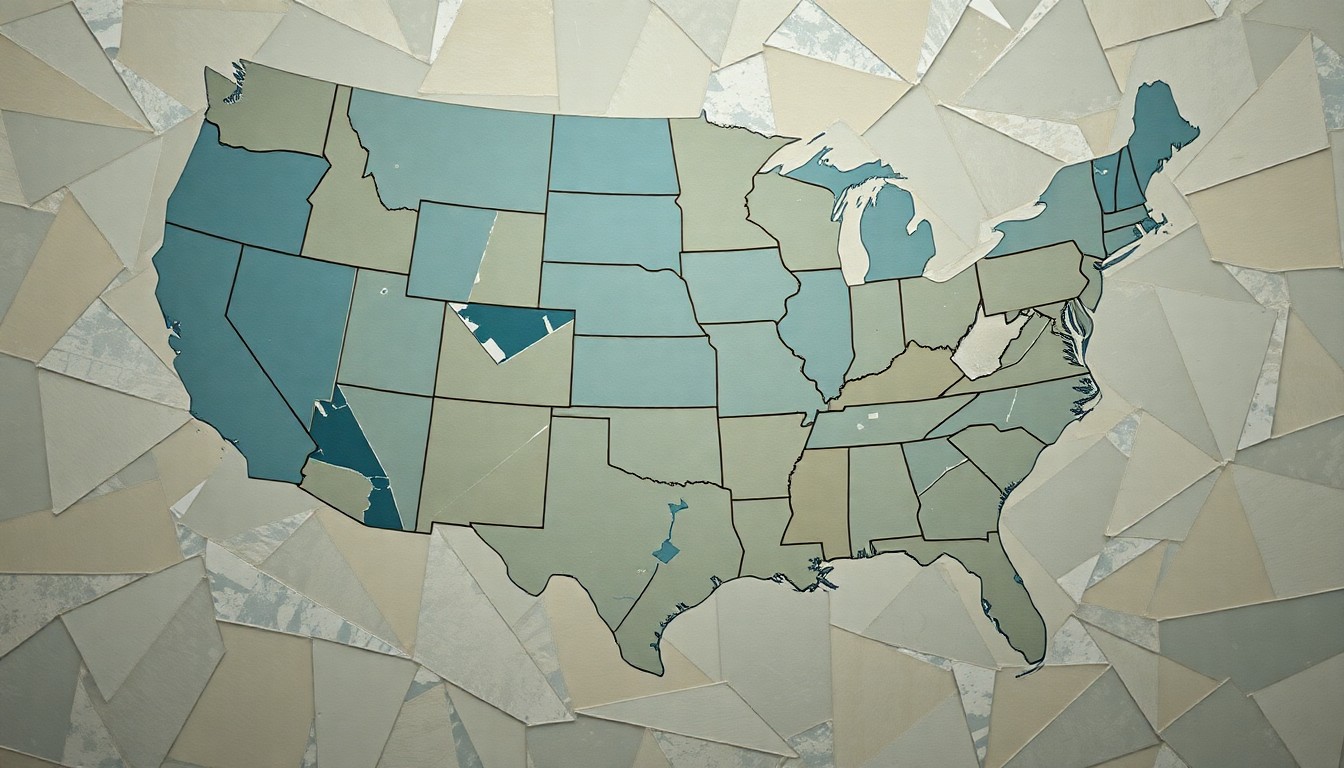
As March 2026 comes to a close, the month has seen a wild mix of weather extremes across the United States, from relentless heat waves in the West to powerful storms and temperature swings in the Central and Eastern regions. While these weather systems may seem unrelated, scientists say they are all interconnected through larger atmospheric patterns like the jet stream. The same patterns that brought flooding rains to Hawaii also fueled the Western heat wave and Eastern cold snaps, demonstrating how climate change is driving more frequent and severe weather whiplash.
Why it matters
The extreme weather events of March 2026 highlight how the warming climate is disrupting long-standing weather patterns and creating more unpredictable, volatile conditions across the country. Understanding the interconnected nature of these systems is crucial for preparing communities for the impacts of climate change, from heat waves and floods to sudden temperature swings.
The details
The March weather was dominated by several key phenomena: a persistent high-pressure system that fueled record-breaking heat in the West, with over 500 monthly high temperature records broken; a series of kona lows that brought devastating flooding rains to Hawaii; and powerful storms that swept through the Central and Eastern U.S., bringing blizzard conditions to some areas. Scientists say these seemingly disparate weather events are all linked through the behavior of the jet stream, a fast-moving current of air that helps steer weather systems around the globe. When the jet stream slows down and develops large dips and peaks, it can lock these weather patterns in place for extended periods, leading to the extreme swings in temperature and precipitation.
- On March 19, monthly all-time high temperature records were broken in at least 11 states.
- On March 20, the high temperature in Yuma, Arizona reached 109°F, 28°F above normal.
- From March 14-16, a powerful storm brought the first blizzard warnings in 15 years to Milwaukee.
The players
Daniel McEvoy
A research scientist with the Western Regional Climate Center.
Jonathan Rutz
An atmospheric scientist at the Center for Western Weather and Water Extremes.
Jennifer Francis
A senior scientist at the Woodwell Climate Research Center.
What they’re saying
“All the global patterns are connected through jet stream interactions and waves around the planet. The patterns kind of feed off each other and drive weather across the continent.”
— Daniel McEvoy, Research Scientist, Western Regional Climate Center
“Sometimes it can be a little bit chicken and egg to determine exactly where that pattern started or what the trigger was. It's interconnected, simultaneous phenomena that develop and then kind of lock into each other, almost like pieces of a puzzle.”
— Jonathan Rutz, Atmospheric Scientist, Center for Western Weather and Water Extremes
“They're dominating the influence on the jet stream and anchoring these patterns in place that create these very persistent weather conditions.”
— Jennifer Francis, Senior Scientist, Woodwell Climate Research Center
What’s next
Scientists with World Weather Attribution are conducting a rapid analysis to determine how much climate change has influenced the rare Western heat wave, with preliminary findings suggesting such an event is now about four times more likely due to global warming.
The takeaway
The extreme weather events of March 2026 demonstrate how climate change is disrupting long-standing weather patterns, leading to more frequent and severe 'weather whiplash' that can have devastating impacts on communities. Understanding the interconnected nature of these systems is crucial for preparing for the realities of a warming world.