- Today
- Holidays
- Birthdays
- Reminders
- Cities
- Atlanta
- Austin
- Baltimore
- Berwyn
- Beverly Hills
- Birmingham
- Boston
- Brooklyn
- Buffalo
- Charlotte
- Chicago
- Cincinnati
- Cleveland
- Columbus
- Dallas
- Denver
- Detroit
- Fort Worth
- Houston
- Indianapolis
- Knoxville
- Las Vegas
- Los Angeles
- Louisville
- Madison
- Memphis
- Miami
- Milwaukee
- Minneapolis
- Nashville
- New Orleans
- New York
- Omaha
- Orlando
- Philadelphia
- Phoenix
- Pittsburgh
- Portland
- Raleigh
- Richmond
- Rutherford
- Sacramento
- Salt Lake City
- San Antonio
- San Diego
- San Francisco
- San Jose
- Seattle
- Tampa
- Tucson
- Washington
MLB Debuts Automated Ball/Strike System in 2026
Fans, players, and managers debate the impact of technology on the human element of baseball
Apr. 11, 2026 at 6:35am
Got story updates? Submit your updates here. ›
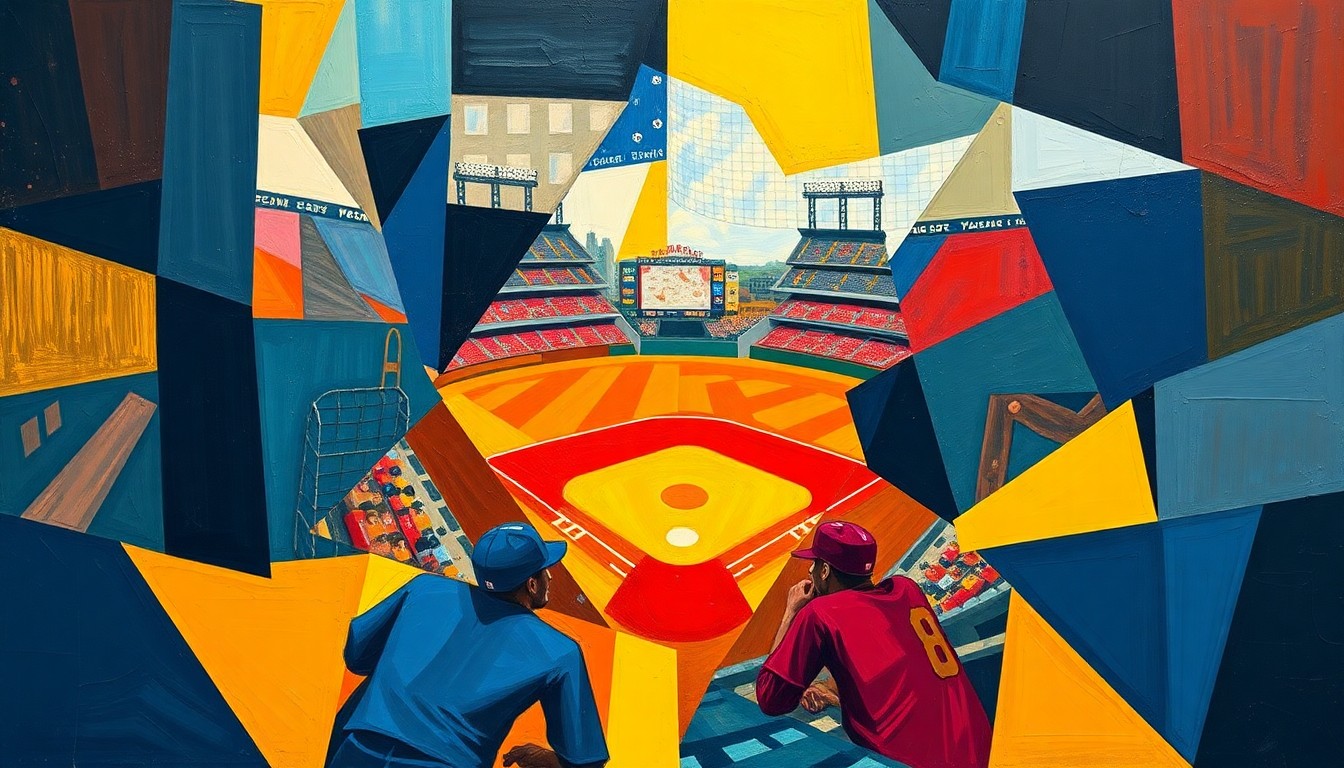 As baseball embraces new automated technology, the sport's human drama and strategic nuance remain essential to the game's enduring appeal.Scottsdale Today
Major League Baseball is set to debut its new Automated Ball/Strike (ABS) system in the 2026 regular season, sparking a heated debate over the role of technology in the sport. While the system aims to bring more consistency to umpiring, some argue it could strip the game of its character and emotion. Managers and players share their perspectives on how the ABS system will impact strategy, challenges, and the overall experience of the game.
Why it matters
The introduction of the ABS system represents a significant shift in how the game of baseball is officiated, raising questions about the balance between technology and the human element that has long defined the sport. As MLB looks to modernize and improve the accuracy of ball and strike calls, the debate over whether this innovation is a positive change or a threat to the essence of baseball remains a central issue for fans, players, and the league.
The details
The ABS system works by using cameras to track each pitch and determine whether it crossed the plate within the strike zone. Human umpires will still be present, but teams can challenge up to two calls per game, with an additional challenge in each extra inning. The challenge window is just two seconds, and the strike zone is tailored to each individual player's height, adding complexity to the system. MLB's survey found that 52% of fans viewed the ABS system positively during spring training, while only 10% saw it negatively.
- The ABS system will debut in MLB regular-season games in 2026.
- The system was tested during spring training last year.
The players
Warren Schaeffer
Colorado Rockies manager, who has firsthand experience with the ABS system during spring training and believes emotion is a key factor in the game.
Torey Lovullo
Arizona Diamondbacks manager, who is already planning strategies for how to best utilize the ABS system's challenge opportunities.
Aaron Judge
New York Yankees player, known for his keen eye for the strike zone, who could potentially benefit from the ABS system.
Aaron Boone
New York Yankees manager, who believes the ABS system will reward players who excel at controlling the strike zone.
Chris Young
Texas Rangers president of baseball operations, who sees the ABS system as a much-needed assist for umpires.
What they’re saying
“I've seen challenges lost in the first inning. That's not good. Emotion is a big key to this.”
— Warren Schaeffer, Colorado Rockies manager
“You want to have one late in the game, just in case. We'll most likely rely on catchers first—pitchers and hitters can get emotional.”
— Torey Lovullo, Arizona Diamondbacks manager
“Umpiring is harder than ever. If technology can add consistency, that's great for everybody.”
— Chris Young, Texas Rangers president of baseball operations
What’s next
As the ABS system debuts in the 2026 MLB regular season, the league and its teams will closely monitor its impact on the game, including how it affects strategy, challenges, and the overall fan experience. The debate over the role of technology in baseball is likely to continue as the system is implemented and its long-term effects become more apparent.
The takeaway
The introduction of the Automated Ball/Strike system in MLB represents a significant technological advancement in the sport, but it also raises concerns about the potential loss of the human element that has long been a defining characteristic of baseball. As the league and its stakeholders navigate this transition, the balance between modernization and preserving the essence of the game will be a central focus of the ongoing discussion.
Scottsdale top stories


Scottsdale events

Apr. 14, 2026
ASU Kerr Tuesday Morning Music & Tea
Apr. 17, 2026
Dina Preston Band
Apr. 17, 2026
Wanted